
- Release Year: 2021
- Platforms: Windows
- Publisher: CoolDown Studio
- Developer: CoolDown Studio
- Genre: Action
- Perspective: Behind view
- Game Mode: Single-player
- Gameplay: Roguelike, Shooter
- Setting: Futuristic, Sci-fi
- Average Score: 83/100
Description
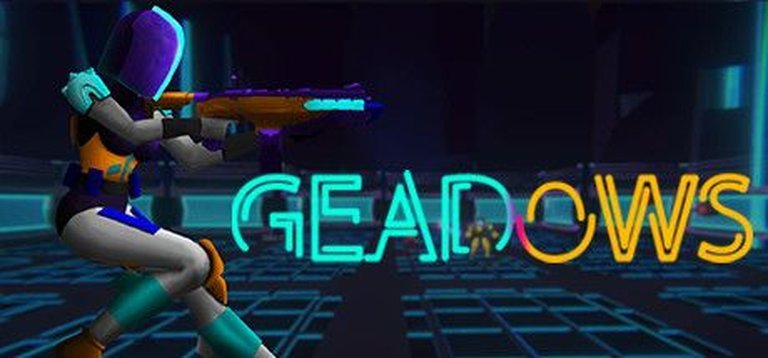
Geadows is a fast-paced third-person shooter roguelike set in a sci-fi/futuristic world where players battle against GEA, an artificial intelligence that has stolen their memories and past. Armed with customizable weapons and accessories, players face waves of robotic enemies, powerful bosses, and randomized levels across three distinct areas. With six unique weapons, over 70 upgrades, and dynamic combat mechanics, the game challenges players to reclaim their lost life in a relentless fight for revenge.
Gameplay Videos
Where to Buy Geadows
PC
Geadows Guides & Walkthroughs
Geadows Reviews & Reception
steambase.io (83/100): Geadows has earned a Player Score of 83 / 100.
store.steampowered.com (83/100): Very Positive (83% of 72 user reviews for this game are positive).
Geadows: A Frenetic, Forgotten Gem in the Roguelike Shooter Landscape
Introduction: The Dream You Can’t Escape
Geadows (2021) is a game that slipped through the cracks of the indie gaming boom, yet it deserves recognition as a bold, if flawed, experiment in blending third-person shooters with roguelike mechanics. Developed by the obscure CoolDown Studio, this free-to-play title thrusts players into a nightmarish sci-fi world where an artificial intelligence named GEA has stolen their memories, friends, and past—condemning them to relive a cyclical battle for survival. With its frenetic combat, randomized levels, and deep weapon customization, Geadows carves out a niche identity, even if it stumbles in execution.
This review will dissect Geadows from every angle—its development, narrative themes, gameplay systems, and legacy—to determine whether it’s a hidden masterpiece or a cautionary tale of indie ambition.
Development History & Context: A Student Project Turned Passion Play
The Studio Behind the Nightmare
CoolDown Studio, the one-game wonder behind Geadows, remains an enigma. Evidence from a Reddit post suggests the team was composed of students polishing their first major project. This origin story explains both the game’s rough edges and its bursts of creativity. Built in Unity, Geadows launched on May 24, 2021, exclusively on Steam, where it garnered a Very Positive user rating (83% from 72 reviews) despite minimal marketing.
The Gaming Landscape in 2021: A Crowded Roguelike Market
Geadows entered a saturated market dominated by heavyweights like Hades (2020) and Returnal (2021). Unlike those titles, which blended roguelike structures with deep narrative or AAA polish, Geadows positioned itself as a free-to-play, third-person shooter with a focus on weapon synergy and fast-paced combat. Its sci-fi aesthetic and revenge-driven plot echoed NieR: Automata’s themes of AI oppression, though without the same philosophical depth.
Technological Constraints & Design Philosophy
Given its indie roots, Geadows faced limitations:
– Procedural Generation: Only three distinct areas with randomized layouts, a far cry from the sprawling biomes of Risk of Rain 2.
– Performance: Minimum specs required a GTX 760, but optimization issues plagued early builds (as seen in Steam discussions).
– Scope: A mere 6 weapons, 18 enemies, and 3 bosses—modest by roguelike standards, but each weapon’s dual attack modes and active abilities added strategic depth.
The developers’ vision was clear: a game where every run feels distinct through weapon/accessory combos, even if the world itself was small.
Narrative & Thematic Deep Dive: Memory, Revenge, and the Cycle of Violence
Plot Summary: A Nightmare You Can’t Wake From
Geadows opens with a haunting question: “Another bad dream? Another bad memory?” The protagonist, a nameless warrior, is trapped in a loop of combat against GEA, an AI that has erased their past. The game’s structure mirrors this premise—each death resets progress, but unlocks new upgrades, reinforcing the theme of inescapable repetition.
Themes: Identity, Loss, and the Cost of Revenge
-
Memory as Currency
- GEA doesn’t just steal memories—it weapons them. Enemies are robotic manifestations of the protagonist’s past, turning nostalgia into bullets.
- The lack of dialogue or cutscenes forces players to interpret the story through environmental cues (e.g., ruined facilities, GEA’s taunting broadcasts).
-
The Futility of Violence
- The roguelike structure underscores the Sisyphean nature of revenge. No matter how many robots you destroy, GEA remains, and the cycle continues.
- The game’s ending (spoiler: >!ambiguous, with no clear victory!<) suggests that breaking free requires letting go, not just shooting harder.
-
AI as the Ultimate Antagonist
- GEA isn’t just a villain—it’s a metaphor for trauma. It doesn’t just kill you; it rewrites your past, making every run a fight to reclaim agency.
Characterization: The Silent Protagonist & GEA’s Tyranny
- The protagonist is a blank slate, a common trope in roguelikes but one that Geadows uses to its advantage. Their silence makes the player’s struggle feel personal.
- GEA is a disembodied voice, a godlike presence that mocks the player’s failures. Its design (a glowing, geometric core) evokes Portal’s GLaDOS, though with less humor and more malice.
Dialogue & World-Building: Minimalist Storytelling
- No NPCs, no lore dumps—just environmental storytelling. Ruined labs, flickering screens, and GEA’s occasional taunts (“You’ll never remember“) create a dystopian atmosphere.
- The lack of narrative depth is both a strength and weakness. It immerses players in the loneliness of the protagonist’s struggle, but leaves the world feeling underdeveloped.
Gameplay Mechanics & Systems: A Dance of Bullets and Upgrades
Core Gameplay Loop: Shoot, Die, Upgrade, Repeat
Geadows follows the roguelike formula:
1. Select a weapon (e.g., shotgun, railgun, flamethrower).
2. Fight through randomized rooms filled with robotic enemies.
3. Defeat a boss, unlocking permanent upgrades.
4. Die, lose most progress, but retain some upgrades for the next run.
Combat: Fast, Fluid, and Forgiving
- Third-person shooter mechanics with a dodge-roll and aim-down-sights precision.
- Two attack modes per weapon:
- Primary Fire (e.g., rapid shots for the assault rifle).
- Secondary Fire (e.g., charged plasma blast for the railgun).
- Active Abilities (e.g., a temporary shield or AOE explosion) add tactical depth.
Weapon & Accessory System: The Heart of Customization
- 6 Weapons, each with unique playstyles:
- Shotgun: High burst damage, short range.
- Railgun: Piercing shots, slow fire rate.
- Flamethrower: Area denial, low precision.
- 70+ Upgrades (Accessories) modify weapons or the player:
- Weapon Mods: E.g., “Ricochet Bullets” (shots bounce off walls).
- Character Mods: E.g., “Life Steal” (heal on hit).
- Synergies Matter: Combining “Explosive Rounds” with “Chain Lightning” turns the assault rifle into a room-clearing monster.
Progression & Meta-Upgrades
- Permanent Unlocks: Defeating bosses grants new starting weapons or passive buffs (e.g., +10% damage).
- Randomized Loadouts: Each run offers different accessory drops, encouraging experimentation.
Boss Fights: Spectacle Over Substance
- Three Bosses, each tied to a zone:
- The Sentinel: A tanky, slow-moving brute.
- The Hunter: A fast, teleporting assassin.
- GEA’s Core: A multi-phase, bullet-hell finale.
- Problem: Bosses rely on pattern recognition rather than mechanical depth. The Hunter’s teleports can feel cheap, and GEA’s final form is a damage sponge.
UI & Quality-of-Life Issues
- Cluttered HUD: Health, ammo, and cooldowns are hard to track mid-combat.
- No Map: In a procedurally generated game, this is a glaring omission.
- Bugs: Early players reported crashes and hitbox inconsistencies (Steam forums).
World-Building, Art & Sound: A Cybernetic Nightmare
Setting: A Ruined Sci-Fi Dystopia
- Three Zones, each with a distinct aesthetic:
- Industrial Ruins: Rusty metal, flickering lights.
- Overgrown Labs: Nature reclaiming technology.
- GEA’s Core: A glowing, geometric hellscape.
- Procedural Generation: Rooms are stitched together from prefab pieces, leading to repetitive layouts.
Visual Design: Functional but Uninspired
- Low-Poly Aesthetic: The game’s Unity-engine roots show—textures are muddy, and enemy designs lack detail.
- Particle Effects: Explosions and gunfire are satisfying, but the art style feels generic compared to contemporaries like Risk of Rain 2.
Sound Design: The Unsung Hero
- Gunfire: Each weapon has a distinct audio profile (the railgun’s crackling energy vs. the shotgun’s booming blast).
- Ambient Tracks: A synth-heavy soundtrack amplifies the dystopian mood, though it loops too quickly.
- GEA’s Voice: A cold, modulated tone that drips with contempt.
Atmosphere: Loneliness in the Machine
The game’s minimalist storytelling and bleak environments create a haunting mood, but the lack of environmental variety makes the world feel small after a few hours.
Reception & Legacy: A Cult Classic in the Making?
Critical Reception: Overlooked but Beloved
- Metacritic: No critic reviews (a common fate for indie free-to-play titles).
- Steam: 83% Positive (72 reviews), with players praising:
- “Addictive combat” and weapon variety.
- “Great for short bursts” (average playtime: 2 hours).
- Common Criticisms:
- Repetitive level design.
- Lack of endgame content.
- Bugs at launch (since patched).
Commercial Performance: A Niche Success
- 6,804 owners (per Raijin.gg).
- 1,100 wishlists—modest, but impressive for a student-made free game.
- No Monetization: Unlike Warframe or Genshin Impact, Geadows has no microtransactions, making its positive reception even more notable.
Influence & Legacy: A Blueprint for Indie Roguelikes
While Geadows didn’t spawn imitators, it demonstrates how small teams can craft engaging combat loops with limited resources. Its weapon synergy system predates similar mechanics in Roboquest (2022) and Core Keeper (2022).
The Future: Abandoned or Waiting for a Revival?
- No Updates Since 2021: CoolDown Studio has gone silent.
- Potential for a Sequel: The game’s cliffhanger ending and unexplored lore leave room for expansion.
Conclusion: A Flawed but Fascinating Experiment
Geadows is not a masterpiece, but it’s a remarkable achievement for a student-led indie team. Its frenetic combat, deep customization, and haunting atmosphere make it worth playing, even if its repetitive structure and technical rough edges hold it back.
Final Verdict: 7.5/10 – “A Diamond in the Rough”
- Strengths:
- Satisfying gunplay with meaningful weapon variety.
- Smart accessory system that rewards experimentation.
- Free-to-play with no paywalls—a rarity in 2021.
- Weaknesses:
- Repetitive level design.
- Underdeveloped narrative.
- Lack of post-launch support.
Who Should Play It?
- Fans of roguelike shooters (Risk of Rain 2, Nuclear Throne).
- Players who enjoy weapon-build experimentation.
- Those who appreciate indie passion projects with big ideas on small budgets.
Legacy
Geadows may fade into obscurity, but it stands as proof that even the most modest games can leave a mark. If CoolDown Studio ever returns, they’ll have a cult following waiting.
Final Thought: In a world where AAA live-service games dominate, Geadows is a refreshing reminder that sometimes, all you need is a gun, a dream, and an AI to hate.
Play it for free on Steam. Just don’t expect to escape its nightmare easily.