
- Release Year: 2021
- Platforms: Nintendo Switch, PlayStation 4, PlayStation 5, Stadia, Windows, Xbox One, Xbox Series
- Publisher: Akupara Games, LLC
- Developer: Clover Bite, Team Malignant
- Genre: Action RPG, Metroidvania, Platform, Role-playing (RPG)
- Perspective: Side view
- Game Mode: Single-player
- Gameplay: Action RPG, Metroidvania, Platform
- Setting: Fantasy, Horror
- Average Score: 82/100
Description
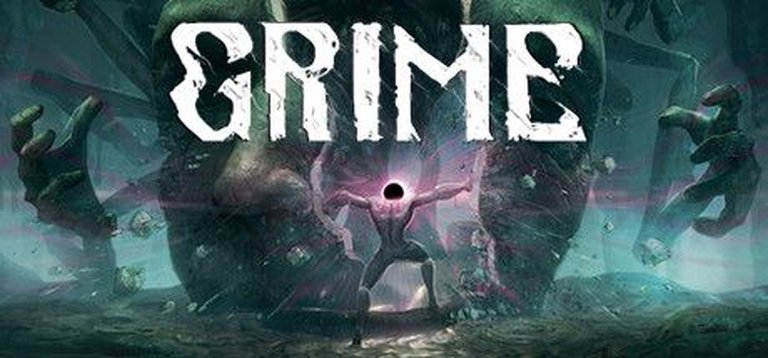
Grime is a dark, action-packed Metroidvania RPG set in a surreal, ever-shifting world where players take on the role of a mysterious entity consumed by a living planet. As you explore the grotesque and visually striking environments, you’ll absorb enemies to grow stronger, uncover hidden abilities, and unravel the secrets of this alien realm. With challenging combat, intricate level design, and a haunting narrative, Grime blends fast-paced action with deep exploration, offering a unique and immersive experience for fans of horror-infused fantasy.
Gameplay Videos
Where to Buy Grime
Grime Free Download
Grime Cracks & Fixes
Grime Mods
Grime Guides & Walkthroughs
Grime Reviews & Reception
metacritic.com (81/100): GRIME is such a consistently astounding game that it’s hard to believe it didn’t just fall out of the sky fully formed.
opencritic.com (81/100): Grime is a highly accomplished Souls-like action-RPG that delivers a hefty challenge without being punitive.
ign.com (90/100): A highly accomplished Souls-like action-RPG that delivers a hefty challenge without being punitive.
monstercritic.com (79/100): GRIME is such a consistently astounding game that it’s hard to believe it didn’t just fall out of the sky fully formed.
Grime: A Masterclass in Metroidvania Soulslike Design
Introduction
In the crowded landscape of Metroidvania and Soulslike games, Grime stands as a towering achievement—a game that doesn’t just borrow from its influences but carves its own identity with surgical precision. Developed by the Israeli indie studio Clover Bite and published by Akupara Games, Grime is a surreal, grotesque, and deeply atmospheric action-RPG that challenges players with its punishing combat, intricate world design, and cryptic storytelling. Released in August 2021, it quickly garnered critical acclaim for its innovative mechanics, haunting art style, and a world that feels alive with decay and mystery.
This review will dissect Grime in exhaustive detail, exploring its development history, narrative depth, gameplay systems, artistic vision, and lasting impact on the genre. By the end, you’ll understand why Grime is not just another Soulslike Metroidvania but a defining entry in the modern indie gaming canon.
Development History & Context
The Birth of a Vision
Grime was born from the creative mind of Yarden Weissbrot, a designer and animator who sought to craft “something Israeli gamers could be proud of.” The game was developed by Clover Bite, an internal studio of the Tiltan School of Design in Haifa, Israel. The team, composed of alumni from the school, began as a small group of passionate developers with backgrounds in design and animation. Their goal was to create a game that blended the exploration of Metroidvania titles like Hollow Knight with the punishing combat of Soulslike games like Dark Souls and Bloodborne.
The development process was arduous, spanning over four years. The team faced numerous challenges, including balancing the game’s difficulty curve, refining the absorption mechanic, and ensuring the world’s surreal aesthetic remained cohesive. Despite these hurdles, Clover Bite’s vision remained steadfast: to create a game that was both visually striking and mechanically deep, with a world that felt alive and decaying.
Technological and Artistic Influences
Grime was built using the Unity engine, which allowed the team to create a 2.5D world that blended hand-drawn art with 3D models. The game’s visual style draws heavily from the works of artists like Zdzisław Beksiński and Peter Mohrbacher, resulting in a world that is both grotesque and beautiful. The environments are filled with organic, fleshy structures, surreal landscapes, and creatures that defy conventional anatomy.
The game’s soundtrack, composed by Alex Roe, complements the visuals with a mix of orchestral and electronic elements, creating an atmosphere that is both eerie and immersive. The sound design is minimalistic, with ambient noises and subtle cues that enhance the game’s sense of isolation and dread.
The Gaming Landscape at Release
Grime was released in August 2021, a time when the Metroidvania and Soulslike genres were experiencing a renaissance. Games like Hollow Knight, Dead Cells, and Blasphemous had already set high standards for the genre, and Grime had to compete with these titans. However, its unique blend of mechanics, art style, and storytelling allowed it to stand out. The game’s reception was overwhelmingly positive, with critics praising its combat, world design, and atmospheric depth.
Narrative & Thematic Deep Dive
A World of Decay and Consumption
Grime takes place in a surreal, dying world that is the corpse of a celestial being known as the Parent. The world is filled with creatures known as the Stoneborn, who are trapped in a cycle of decay and rebirth. The protagonist, a being called the Spiral Heart, is a black hole that has taken on a humanoid form. The Spiral Heart’s journey is one of consumption and discovery, as it absorbs the traits of its enemies to grow stronger and uncover the secrets of the world.
The game’s narrative is delivered through environmental storytelling, cryptic NPC dialogues, and item descriptions. The world is filled with riddles and metaphors, and players must piece together the story from these fragments. The themes of Grime are deeply philosophical, exploring ideas of identity, purpose, and the inevitability of decay.
Key Characters and Their Roles
- The Spiral Heart: The protagonist, a black hole that has taken on a humanoid form. The Spiral Heart’s journey is one of consumption and discovery, as it absorbs the traits of its enemies to grow stronger.
- Yon: A Stoneborn who assists the Spiral Heart early in the game. Yon is impressed by the Spiral Heart’s perfect proportions and helps it escape the Weeping Cavity.
- Shidra: A powerful, ancient humanoid serpent who sends the Spiral Heart on various quests. Shidra opposes the Spiral Heart’s destiny to consume and destroy the world.
- The Coda: Beings made of flesh rather than stone. The Coda worship the Spiral Heart as the “Endgiver” and welcome it with open arms, hoping to be preserved in its memories.
Themes of Identity and Decay
Grime explores themes of identity and decay through its narrative and world design. The Spiral Heart’s journey is one of self-discovery, as it uncovers the secrets of its own existence and the world around it. The game’s world is filled with creatures that are trapped in a cycle of decay and rebirth, reflecting the inevitability of decay and the struggle for survival.
The game’s themes are reinforced by its visuals and sound design. The world is filled with grotesque, organic structures that evoke a sense of decay and decay. The soundtrack is eerie and immersive, creating an atmosphere that is both haunting and beautiful.
Gameplay Mechanics & Systems
Combat: A Dance of Absorption and Destruction
Grime’s combat is a blend of Soulslike precision and Metroidvania exploration. The game’s central mechanic is the absorption system, which allows the Spiral Heart to parry enemy attacks and absorb their traits. This mechanic is both offensive and defensive, as it allows the Spiral Heart to negate damage, deal significant retaliation harm, and gain temporary abilities.
The combat is punishing but fair, with enemies that hit hard and require precise timing to defeat. The game’s stamina system, known as Force, depletes rapidly, leaving the Spiral Heart vulnerable if not managed carefully. The absorption mechanic is essential for survival, as it allows the Spiral Heart to heal and gain temporary abilities.
Exploration and Progression
Grime’s world is a dense network of tunnels, chambers, and nooks and crannies, all looping through and around each other. The game rewards exploration with new abilities, weapons, and hidden areas. The world is filled with secrets and challenges, and players must backtrack and revisit areas to uncover all of its mysteries.
The game’s progression is gated behind ability unlocks, such as the Self-Pull mechanic, which allows the Spiral Heart to latch onto environmental anchors for swinging or climbing. The game also features a fast-travel system, which allows players to quickly move between discovered surrogates.
Boss Fights: A Test of Skill and Patience
Grime’s boss fights are some of the most challenging and rewarding in the genre. Each boss is a stern challenge, requiring players to master the game’s mechanics and adapt to their attack patterns. The boss designs are visually arresting, with multi-phase battles that test the player’s mastery of the game’s systems.
The boss fights are a highlight of Grime, offering a sense of accomplishment and satisfaction that is rare in modern gaming. The game’s difficulty is balanced, with bosses that are tough but fair, and players who persevere will be rewarded with a sense of mastery and achievement.
World-Building, Art & Sound
A Surreal and Grotesque World
Grime’s world is a surreal and grotesque landscape filled with organic, fleshy structures and creatures that defy conventional anatomy. The game’s visuals are inspired by the works of artists like Zdzisław Beksiński and Peter Mohrbacher, resulting in a world that is both beautiful and haunting.
The game’s environments are filled with details that reinforce its themes of decay and consumption. The world is filled with creatures that are trapped in a cycle of decay and rebirth, and the Spiral Heart’s journey is one of consumption and discovery.
Sound Design: A Haunting Atmosphere
Grime’s sound design is minimalistic but effective, with ambient noises and subtle cues that enhance the game’s sense of isolation and dread. The soundtrack, composed by Alex Roe, is a mix of orchestral and electronic elements, creating an atmosphere that is both eerie and immersive.
The game’s sound design is essential to its atmosphere, creating a sense of tension and unease that permeates every aspect of the game. The soundtrack is haunting and beautiful, with tracks that evoke a sense of decay and consumption.
Reception & Legacy
Critical and Commercial Reception
Grime was released to critical acclaim, with reviewers praising its combat, world design, and atmospheric depth. The game received an aggregate score of 81/100 on Metacritic, with critics highlighting its innovative mechanics and haunting art style.
The game’s reception was overwhelmingly positive, with critics praising its combat, world design, and atmospheric depth. The game’s difficulty was noted as challenging but fair, with reviewers appreciating the game’s lack of punitive death penalties.
Influence on the Genre
Grime has had a significant impact on the Metroidvania and Soulslike genres, inspiring other developers to blend these styles in innovative ways. The game’s success has also helped to elevate the profile of Israeli indie game development, showcasing the talent and creativity of the country’s gaming scene.
The game’s legacy is one of innovation and excellence, with its unique blend of mechanics, art style, and storytelling setting a new standard for the genre. Grime is a defining entry in the modern indie gaming canon, and its influence will be felt for years to come.
Conclusion
Grime is a masterclass in Metroidvania Soulslike design, offering a punishing but fair challenge, a hauntingly beautiful world, and a narrative that is both cryptic and deeply philosophical. The game’s innovative mechanics, atmospheric depth, and surreal visuals make it a standout entry in the genre, and its influence will be felt for years to come.
For fans of challenging, atmospheric action games, Grime is a must-play. Its blend of Soulslike combat and Metroidvania exploration is unparalleled, and its world is one of the most compelling and haunting in recent memory. If you’re looking for a game that will test your skills and immerse you in a world of decay and consumption, Grime is the perfect choice.
Final Verdict: 9/10 – A Masterpiece of the Genre