
- Release Year: 2008
- Platforms: Windows
- Publisher: CINEMAX, s.r.o.
- Developer: CINEMAX, s.r.o.
- Genre: Action, Driving, Puzzle, Racing
- Perspective: Side view
- Game Mode: LAN, Online PVP, Single-player
- Gameplay: Party game, Platform
- Average Score: 60/100
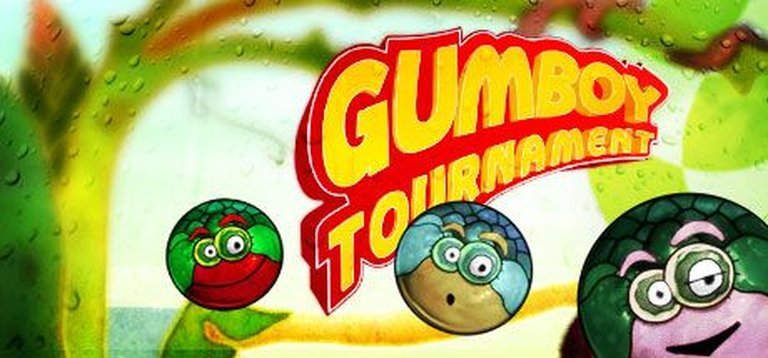
Description
Gumboy Tournament is a multiplayer-focused spin-off of the original Gumboy game, where players control a rolling ball through various competitive modes. The game features four distinct multiplayer modes—Capture the Flag, Race, Diamonds, and Chase—each offering fast-paced, physics-based gameplay. With 80 new single-player levels and a unique 2D art style, the game retains the charm of its predecessor while adding fresh challenges and power-ups. Players can compete locally or online, with support for up to 9 players, making it a lively party game experience.
Where to Buy Gumboy Tournament
PC
Gumboy Tournament Cracks & Fixes
Gumboy Tournament Patches & Updates
Gumboy Tournament Guides & Walkthroughs
Gumboy Tournament Reviews & Reception
metacritic.com (66/100): Although Gumboy Tournament has no real game-killing flaws and is good at what it sets to do, the concept really isn’t all that fun.
ign.com (42/100): Its nauseating, greased-pig feel makes it devoid of fun and value.
steambase.io (70/100): Gumboy Tournament has earned a Player Score of 70 / 100.
mobygames.com (62/100): Average score: 62% (based on 5 ratings)
Gumboy Tournament: A Forgotten Gem of Multiplayer Mayhem
Introduction
In the vast, ever-expanding universe of video games, certain titles emerge as fleeting stars—bright, unique, and memorable, yet ultimately overshadowed by the gravitational pull of bigger franchises. Gumboy Tournament (2008), developed by Czech studio Cinemax, is one such star. A multiplayer-focused spin-off of the critically acclaimed Gumboy: Crazy Adventures, this game dared to blend physics-based platforming, competitive chaos, and whimsical artistry into a package that was as ambitious as it was flawed. While it never achieved mainstream success, Gumboy Tournament remains a fascinating artifact of its era—a time when indie developers were pushing the boundaries of what party games could be.
This review aims to dissect Gumboy Tournament in exhaustive detail, exploring its development, mechanics, artistic vision, and legacy. Was it a misunderstood masterpiece, or a well-intentioned misfire? By examining its strengths, weaknesses, and the context of its release, we can better understand its place in gaming history.
Development History & Context
The Studio Behind the Ball
Cinemax, a Czech game development studio founded in the early 2000s, was no stranger to experimentation. Before Gumboy Tournament, the studio had already made a name for itself with Gumboy: Crazy Adventures (2006), a single-player puzzle-platformer that won Gametunnel’s Game of the Year 2006. The original Gumboy was praised for its innovative physics-based gameplay, where players controlled a sentient gumball navigating surreal, gravity-defying environments. Its success paved the way for Gumboy Tournament, which sought to expand the formula into the multiplayer arena.
The development team for Gumboy Tournament was small but passionate, with key figures including:
– Miroslav Adamus (Programming, Game Design)
– Erik Codl (Game Design, Graphic Art)
– Matěj Syxra (Graphics, Music, SFX)
– Monique D’Frameoise (Voiceover)
This tight-knit group worked within the technological constraints of the late 2000s, where indie games were often limited by budget, engine capabilities, and distribution channels. Gumboy Tournament was built on a custom engine, a testament to Cinemax’s technical ambition. However, this also meant that the game lacked the polish and optimization of titles built on more established frameworks.
The Gaming Landscape of 2008
The late 2000s were a pivotal time for indie and multiplayer games. Digital distribution platforms like Steam were gaining traction, allowing smaller developers to reach global audiences without the need for physical retail. Meanwhile, the party game genre was experiencing a renaissance, thanks in part to titles like WarioWare: Smooth Moves (2006) and Mario Party 8 (2007). The success of LittleBigPlanet (2008) on the PlayStation 3 also demonstrated the appetite for creative, physics-based multiplayer experiences.
However, Gumboy Tournament faced stiff competition. The same year saw the release of Left 4 Dead, Team Fortress 2 (as a standalone title), and Braid—games that redefined multiplayer and indie gaming, respectively. In this crowded field, Gumboy Tournament struggled to carve out its niche. Its unique selling point—a physics-driven, ball-rolling party game—was both its greatest strength and its biggest liability.
The Vision: A Multiplayer Evolution
The core vision behind Gumboy Tournament was to take the physics-based platforming of the original Gumboy and transform it into a competitive experience. The developers wanted to create a game that was accessible yet deep, where players could engage in fast-paced, chaotic matches that rewarded both reflexes and strategy. The inclusion of four distinct multiplayer modes—Capture the Flag, Race, Diamonds, and Chase—was intended to offer variety and replayability.
Yet, this vision was not without its challenges. The game’s physics engine, while innovative, was also finicky. The controls, which required players to roll and jump in a 360-degree environment, had a steep learning curve. Additionally, the decision to focus heavily on multiplayer meant that the single-player experience—though expanded with 80 new levels—felt like an afterthought.
Narrative & Thematic Deep Dive
A World of Whimsy and Wonder
Gumboy Tournament is not a narrative-driven game in the traditional sense. There is no overarching story, no character arcs, and no dialogue to speak of. Instead, the game’s “narrative” is conveyed through its visuals, level design, and ambient atmosphere. The world of Gumboy Tournament is a surreal, dreamlike realm where gumballs roll through fantastical landscapes filled with spiral chutes, fountains, waterways, and even outer space environments with shifting gravity.
The game’s art style is its most compelling narrative device. Inspired by the vibrant, cartoonish aesthetics of Nickelodeon shows and the playful absurdity of Katamari Damacy, Gumboy Tournament creates a world that feels both familiar and alien. The levels are bursting with color, light, and particle effects, giving each stage a distinct personality. Whether you’re rolling through a lush garden, a mechanical factory, or a zero-gravity asteroid field, the game’s visuals tell a story of a universe where the laws of physics are bendable, and fun is the ultimate currency.
Characters: The Gumballs
The “characters” in Gumboy Tournament are the gumballs themselves—sentient, rolling spheres with exaggerated facial expressions and quirky designs. While they lack personalities or backstories, their visual variety adds a layer of charm to the game. Each gumball has a unique color scheme and facial features, ranging from goofy grins to determined scowls. This simplicity is part of the game’s appeal; the gumballs are blank slates onto which players can project their own competitive spirits.
The absence of traditional narrative elements is not a flaw but a deliberate choice. Gumboy Tournament is a game about pure, unadulterated fun. It doesn’t need a story to justify its existence; the joy of rolling, jumping, and outmaneuvering opponents is narrative enough.
Themes: Chaos, Competition, and Creativity
At its core, Gumboy Tournament explores themes of chaos, competition, and creativity. The game’s physics-based gameplay encourages players to embrace unpredictability, adapting to the ever-changing dynamics of each match. Whether you’re chasing a star in Chase mode or racing through checkpoints in Race mode, success often hinges on your ability to improvise and react to the chaos around you.
Competition is, of course, the game’s central theme. Gumboy Tournament thrives on the thrill of outsmarting opponents, whether they’re AI-controlled bots or human players. The game’s multiplayer modes are designed to foster rivalry, teamwork, and strategic thinking. Capture the Flag, for instance, requires coordination and defense, while Diamonds mode rewards speed and greed.
Finally, Gumboy Tournament celebrates creativity in its level design. The game’s stages are not just arenas but playgrounds, filled with interactive elements, power-ups, and environmental hazards. The developers’ imagination is on full display, from levels with reversing gravity to those with water currents that can sweep you off course. This creativity extends to the game’s soundtrack, which features upbeat, whimsical tunes that complement the on-screen action.
Gameplay Mechanics & Systems
Core Gameplay Loop: Roll, Jump, Repeat
The fundamental mechanics of Gumboy Tournament are deceptively simple. Players control a gumball that can roll left or right, with a control key to increase speed. Jumping is context-sensitive, allowing players to launch themselves in any direction depending on their orientation. This 360-degree movement system is the game’s defining feature, offering a level of freedom rarely seen in 2D platformers.
However, this freedom comes at a cost. The controls are unintuitive at first, requiring players to reorient their spatial awareness constantly. Rolling “right” might propel you upward if you’re on a vertical surface, while jumping could send you hurtling in an unexpected direction. This learning curve is steep, and the game does little to ease players into its mechanics. Tutorials are minimal, and the lack of a dedicated training mode means that mastery comes only through trial and error.
Multiplayer Modes: Variety with Limitations
Gumboy Tournament offers four distinct multiplayer modes, each with its own rules and objectives:
- Capture the Flag: A classic team-based mode where players must steal the enemy flag while defending their own. This mode is the most strategic, requiring coordination and map awareness.
- Race: A checkpoint-based race to the finish. This mode is the most straightforward, emphasizing speed and precision.
- Diamonds: A free-for-all where players collect diamonds scattered across the map. The player with the most diamonds at the end wins. This mode is chaotic and fast-paced, rewarding aggression and quick reflexes.
- Chase: A king-of-the-hill variant where players compete to hold onto a star for as long as possible. Tagging the star-holder causes them to drop it, creating a frantic game of keep-away.
While these modes offer variety, they also highlight the game’s limitations. The lack of depth in each mode means that matches can feel repetitive over time. Additionally, the game’s physics engine, while innovative, often works against the player. Environmental hazards like wind and water currents can feel unfair, especially in Race and Diamonds modes, where precision is key.
Power-Ups and Environmental Interaction
One of Gumboy Tournament’s strongest features is its use of power-ups and environmental interaction. Each level is filled with items that can alter the game’s dynamics:
- Magnetizer: Repels nearby players, useful for escaping pursuers.
- Shield: Grants temporary invincibility.
- Speed Boost: Increases rolling speed.
- Slow Mo: Slows down the game, allowing for precise maneuvers.
These power-ups add a layer of strategy to the gameplay, encouraging players to adapt their tactics on the fly. However, their placement is often random, which can lead to frustrating moments where luck plays a bigger role than skill.
The game’s environmental interaction is equally impressive. Levels feature moving platforms, gravity wells, and water currents that can drastically alter the flow of a match. In space-themed levels, gravity shifts dynamically, forcing players to constantly adjust their movements. These elements make Gumboy Tournament feel fresh and unpredictable, even if they occasionally tip the scales toward chaos rather than skill.
Single-Player: A Missed Opportunity
While Gumboy Tournament is primarily a multiplayer game, it includes a single-player campaign with 80 new levels. This mode tasks players with navigating through a series of increasingly complex stages, collecting diamonds and reaching the exit. The single-player experience is a mixed bag. On one hand, it offers a chance to master the game’s mechanics without the pressure of competition. On the other hand, it feels tacked-on, lacking the depth and polish of the multiplayer modes.
The single-player levels are creative, featuring the same environmental hazards and power-ups as the multiplayer stages. However, the absence of a cohesive progression system or narrative context makes the experience feel hollow. There are no boss fights, no unlockable abilities, and no real sense of accomplishment beyond completing each level. This is a missed opportunity; with more attention, the single-player mode could have been a compelling puzzle-platformer in its own right.
UI and Accessibility
The user interface in Gumboy Tournament is functional but unremarkable. Menus are straightforward, with clear options for selecting game modes, levels, and controls. However, the lack of customization options—such as the ability to remap keys or adjust difficulty—limits the game’s accessibility. The multiplayer lobby system is similarly barebones, with no matchmaking or server browser, relying instead on direct IP connections or LAN play.
The game’s biggest accessibility issue is its online multiplayer infrastructure. At launch, Gumboy Tournament suffered from a lack of dedicated servers, with only a single European server that was often empty. This made online play nearly impossible for many players, a critical flaw for a game that bills itself as a multiplayer experience. While LAN and local multiplayer (supporting up to four players on one screen) are more reliable, the absence of a robust online system severely limits the game’s longevity.
World-Building, Art & Sound
A Visual Feast: The Art of Gumboy Tournament
Gumboy Tournament’s art style is its most enduring legacy. The game’s visuals are a vibrant, surreal mix of cartoonish charm and psychedelic creativity. Each level is a meticulously crafted playground, filled with intricate details and dynamic lighting effects. The game’s color palette is bold and varied, with stages ranging from lush green gardens to neon-lit mechanical factories.
The gumball characters themselves are simple but expressive, with exaggerated facial features that convey emotion without words. Their designs are playful and whimsical, perfectly complementing the game’s lighthearted tone. The environments are equally impressive, with levels that defy conventional platformer design. Spiral chutes, looping pathways, and gravity-defying structures create a sense of wonder and discovery.
One of the most striking aspects of Gumboy Tournament’s art is its use of light and particle effects. Glowing orbs, shimmering water, and swirling cosmic dust add depth and atmosphere to each stage. These effects are not just decorative; they often play a functional role, such as indicating the presence of power-ups or environmental hazards.
Sound Design: A Mixed Bag
The sound design in Gumboy Tournament is a study in contrasts. The game’s soundtrack, composed by Matěj Syxra, is upbeat and cheerful, with tracks that blend electronic and orchestral elements. The music is catchy and well-suited to the game’s fast-paced action, though it lacks the memorability of other indie classics like Super Meat Boy or FeZ.
The sound effects, however, are less impressive. The gumballs’ movements are accompanied by generic rolling and jumping noises, which can become repetitive over time. The lack of voice acting—beyond the occasional grunts and cheers—means that the game relies heavily on its visuals to convey emotion and atmosphere.
One notable exception is the voiceover work by Monique D’Frameoise, which adds a touch of personality to the game’s menus and tutorials. While her contributions are minimal, they provide a welcome human element to an otherwise mechanical experience.
Atmosphere: A Playground of Chaos
The combination of Gumboy Tournament’s art and sound creates an atmosphere that is both chaotic and inviting. The game’s levels feel like living, breathing entities, filled with movement and energy. The surreal environments—from underwater caverns to zero-gravity space stations—evoke a sense of childlike wonder, as if the player has stumbled into a dreamworld where the rules of physics are mere suggestions.
This atmosphere is reinforced by the game’s multiplayer dynamics. The sheer unpredictability of matches, with gumballs bouncing off walls, power-ups flying everywhere, and environmental hazards wreaking havoc, creates a sense of controlled chaos. It’s a world where anything can happen, and often does.
Reception & Legacy
Critical Reception: A Divided Response
Gumboy Tournament received a mixed critical reception upon its release in May 2008. Reviewers praised its innovative gameplay, vibrant art style, and creative level design, but criticized its steep learning curve, finicky controls, and lackluster online multiplayer. The game’s Metascore remains unavailable due to an insufficient number of reviews, but aggregated scores from platforms like MobyGames and Steam paint a picture of a game that was appreciated but not beloved.
Here’s a breakdown of critical opinions:
- Gameplay (Benelux) – 80%: Praised the game’s “wondermooie decors and graphics” and described it as a “meesterlijk mooi” (masterfully beautiful) multiplayer experience.
- Out Of Eight – 75%: Highlighted the game’s originality and fun gameplay but criticized the lack of smooth online multiplayer, noting that the European server was often unplayable.
- IGN – 66%: Found the game “good at what it sets to do” but ultimately “not all that fun,” citing its frantic pace and one-dimensional experience.
- Games.cz – 50%: Criticized the game’s reliance on multiplayer, stating that it “stands and falls on whether you have someone to play with.”
- GamesRadar – 40%: Harshly criticized the game’s controls, describing them as “nauseating” and “greased-pig feel,” making it “devoid of fun and value.”
Player reviews on Steam are similarly mixed, with a Steambase Player Score of 70/100 based on 465 reviews. Many players appreciate the game’s creativity and charm but acknowledge its flaws, particularly in the controls and online infrastructure.
Commercial Performance: A Niche Audience
Gumboy Tournament was not a commercial success. Despite its critical acclaim for Gumboy: Crazy Adventures, the spin-off struggled to find an audience. The game’s $19.99 price point at launch was steep for an indie title, especially one with such a narrow focus on multiplayer. Over time, the game’s price dropped significantly, with Steam sales often reducing it to under $1, reflecting its status as a cult curiosity rather than a mainstream hit.
The game’s lack of commercial success can be attributed to several factors:
– Limited Marketing: Cinemax was a small studio with limited resources for promotion.
– Steep Learning Curve: The game’s controls and physics were off-putting to casual players.
– Online Multiplayer Issues: The lack of dedicated servers made online play difficult, if not impossible.
– Competition: Released in the same year as Left 4 Dead and Team Fortress 2, Gumboy Tournament struggled to stand out.
Legacy: A Cult Classic in the Making
Despite its flaws and commercial underperformance, Gumboy Tournament has developed a cult following over the years. Its unique blend of physics-based platforming, chaotic multiplayer, and surreal artistry has earned it a place in the hearts of indie game enthusiasts. The game is often cited as an example of innovative but flawed design, a title that dared to be different but ultimately fell short of its ambitions.
Gumboy Tournament’s influence can be seen in later indie games that emphasize physics-based multiplayer chaos, such as Pummel Party (2018) and Gang Beasts (2017). While these games refined the formula, Gumboy Tournament remains a pioneering effort in the genre.
The game’s legacy is also tied to its artistic vision. The surreal, dreamlike worlds of Gumboy Tournament have inspired other indie developers to prioritize creativity and atmosphere over conventional gameplay. In this sense, the game’s impact is more aesthetic than mechanical.
Conclusion: A Flawed but Fascinating Experiment
Gumboy Tournament is a game of contradictions. It is innovative yet flawed, beautiful yet chaotic, ambitious yet underdeveloped. Its strengths—vibrant art, creative level design, and unique physics-based gameplay—are undeniable. However, its weaknesses—steep learning curve, finicky controls, and lackluster online multiplayer—hold it back from greatness.
In the grand tapestry of video game history, Gumboy Tournament occupies a niche but important space. It is a reminder of a time when indie developers were unafraid to experiment, even if the results were imperfect. It is a game that rewards patience and persistence, offering moments of pure, unadulterated joy to those willing to master its quirks.
Final Verdict: 7/10 – A Cult Classic with Flaws
Gumboy Tournament is not a game for everyone. Its controls are unintuitive, its multiplayer is inconsistent, and its single-player mode feels tacked-on. Yet, for those who embrace its chaos, it offers a uniquely exhilarating experience. It is a game that defies convention, a testament to the power of creativity in an industry often dominated by safe, formulaic design.
If you’re a fan of indie games, physics-based platformers, or multiplayer mayhem, Gumboy Tournament is worth a look—especially at its current bargain-bin price. Just don’t expect a polished, mainstream experience. Instead, prepare for a wild, unpredictable ride through a world where gumballs rule and chaos reigns supreme.
Additional Resources
For those interested in exploring Gumboy Tournament further, here are some useful links:
– Steam Page
– MobyGames Entry
– ModDB Page
– IGN Review
Whether you’re a historian, a curious gamer, or a fan of indie oddities, Gumboy Tournament is a game that deserves to be remembered—not for its perfection, but for its bold, uncompromising vision.