
- Release Year: 2016
- Platforms: Windows
- Publisher: Daybreak Game Company LLC
- Developer: Daybreak Game Company LLC
- Genre: Action
- Perspective: First-person
- Game Mode: MMO, Online PVP
- Gameplay: Customization, outfit, Shooter, skin, Survival
Description
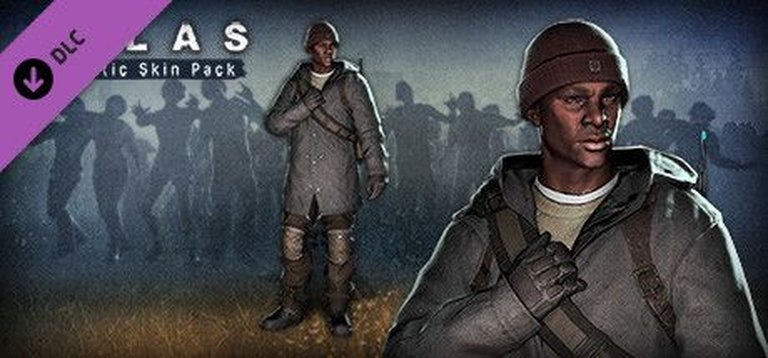
H1Z1: Just Survive – Atlas Cosmetic Skin Pack is a customization add-on for the open-world survival shooter H1Z1: Just Survive, where players scavenge resources, craft gear, build bases, and battle in a harsh post-apocalyptic landscape overrun by threats, allowing owners to equip exclusive Atlas-themed cosmetic skins to personalize their outfits and stand out in multiplayer survival scenarios.
H1Z1: Just Survive – Atlas Cosmetic Skin Pack: Review
Introduction
In the brutal wilderness of a zombie-ravaged America, where every scavenged scrap could mean the difference between life and undeath, standing out isn’t just vanity—it’s a psychological edge. Enter the H1Z1: Just Survive – Atlas Cosmetic Skin Pack, a 2016 DLC that promised “Survival Through Strength” via rugged, apocalypse-ready outfits. Released amid the hype of Daybreak Game Company’s ambitious survival MMO Just Survive (formerly H1Z1), this pack arrived as the genre exploded with titles like DayZ and early PUBG whispers. As a cosmetic add-on, it epitomizes the live-service era’s push for personalization, but its legacy is tied to a game that sold millions only to fade into obscurity. My thesis: The Atlas pack isn’t revolutionary gameplay, but a poignant artifact of survival gaming’s monetization pivot—offering fleeting style in a world designed for grim endurance, now preserved only in digital archives.
Development History & Context
Daybreak Game Company LLC, born from the ashes of Sony Online Entertainment in 2015, helmed both development and publishing for the Atlas pack. Fresh off splitting H1Z1 into Just Survive (co-op survival focus) and King of the Kill (PvP battle royale precursor), Daybreak leaned into live-service sustainability. Released on December 21, 2016, via Steam (App ID 565621), the pack targeted a playerbase hungry for customization in an early-access title launched in January 2015.
The era’s technological landscape favored ForgeLight engine (used in Just Survive), enabling vast open worlds but straining servers—evident in the base game’s launch bugs, crashes, and a short-lived patch fiasco. Gaming in 2016 was survival-saturated: Rust, ARK: Survival Evolved, and The Forest dominated Steam, while battle royales loomed. Daybreak’s vision, per Steam blurbs, emphasized non-pay-to-win cosmetics to fund ongoing updates like zombie hordes, crafting, and base-building. Constraints included 64-bit Windows requirements (i3 dual-core min, GTX 275 GPU), broadband mandates for MMO play, and a free Daybreak Account. Priced around €1.49-€4.99 historically, it followed packs like Manitoba and Whiptail, signaling a crate-based economy. Yet, Just Survive‘s delisting (August 2018) and server shutdown (October 2018) doomed it—now only archived on Internet Archive as abandonware.
Narrative & Thematic Deep Dive
Just Survive eschews linear plots for emergent storytelling in a rural U.S. zombie apocalypse, where players embody nameless survivors scavenging, crafting, and allying against hordes, wildlife (wolves, bears), and rival clans. No scripted characters or dialogue exist; narrative emerges from player-driven events—raids, betrayals, fortifications crumbling under undead waves.
The Atlas pack amplifies themes of resilient individualism amid collective peril. Its tagline, “Atlas: Survival Through Strength,” evokes mythic endurance (like the Titan holding the world), mirroring the base game’s ethos: fortify, adapt, dominate. Skins depict “easy-breathing outerwear” (windproof, waterproof, bite/tear-resistant) and a “lightweight tactical pack,” narratively positioning your survivor as a grizzled prepper—practical yet imposing. In PvP encounters or co-op defenses, these cosmetics inject role-playing depth: Are you the stoic scout evading “becoming someone else’s lunch,” or the base-builder projecting unyielding grit?
Thematically, it critiques consumerism in dystopia—paying for virtual ruggedness while real survival demands teamwork. No voice acting or lore dumps (composer Cris Velasco’s score underscores tension elsewhere), but skins foster identity in a faceless horde, echoing DayZ‘s bandit-vs-hero duality. In extreme detail, applying Atlas gear transforms scavenging runs into tales of defiance: outerwear shrugs off environmental debuffs (cold, rain implied), pack implies efficient looting, reinforcing themes of preparation over panic. Yet, as a silent add-on, it underscores Just Survive‘s flaw—no deeper lore, just procedural apocalypse.
Gameplay Mechanics & Systems
Core Just Survive loops—scavenge resources, craft gear, build shelters, combat zombies/PvP—remain untouched by Atlas, true cosmetic purity. Six unique skins (per GG.deals; MobyGames notes five) apply to character models: outerwear layers (jackets, pants) and tactical backpack, customizable via inventory UI.
Core Integration:
– Progression & UI: Skins equip instantly post-purchase (base game + Daybreak Account required). No stats boost—purely visual, avoiding pay-to-win stigma. UI, functional but clunky (early-access hallmark), features crate-unlock parallels, encouraging pack hunts.
– Combat Loops: In shooter-survival hybrid, Atlas enhances immersion: bulkier silhouette aids intimidation in PvP standoffs; muted colors blend into wastelands for ambushes. Zombie bites/tears? Narratively resisted, but mechanically irrelevant.
– Innovation/Flaws: Lightweight pack skin suggests expanded carry capacity visually, synergizing with base crafting (tools, meds). Flaws mirror base game: server instability, grindy progression. No achievements/guides (SteamHunters: 0), minimal playtime (1 owner tracked). Innovative? Prefigures Fortnite‘s skin economy, but lacks emotes/particles.
| Mechanic | Base Game Role | Atlas Impact |
|---|---|---|
| Scavenging | Loot POIs for mats | Visual pack bulks inventory aesthetic |
| Building | Fortify bases | Gear shows as rugged defender |
| Combat (PvE/PvP) | Shoot/dodge zombies/players | Intimidation via tough-guy look |
| Progression | Skill trees, levels | None—cosmetic only |
Exhaustive deconstruction reveals balance: cosmetics fuel retention without fracturing fairness, but obscurity (0 players now) renders moot.
World-Building, Art & Sound
Just Survive‘s open-world rural U.S.—forests, towns, dynamic weather—builds a lived-in apocalypse, zombies shambling amid decay. Atlas skins excel here: art direction prioritizes pragmatic post-apoc utility. Outerwear: tactical fabrics in earth tones (grays, olives), reinforced patches evoking military surplus. Tactical pack: modular, MOLLE-style webbing for pouches, lightweight illusion via slim profile.
Visuals contribute via silhouette psychology—stand out in hordes without neon flair, fitting gore/violent tags. No custom models strain ForgeLight, but textures hold (min GTX 275). Atmosphere amplifies: rainy nights test “waterproof” lore, wolf packs challenge “bite-resistant” vibe.
Sound design (base Cris Velasco score: tense strings, zombie moans) unchanged, but gear rustles/jingles subtly (inferred from survival norms), heightening paranoia. Elements synergize: don Atlas, trudge through mud—feels authentic, immersive survival sim. Flaw: low-res era (2016 specs) dates it versus modern Rust.
Reception & Legacy
Launch reception? Nonexistent—MobyGames: no critic/player reviews; Steam trackers: 0 players, 1 owner. Commercial: Historical low €1.49 (Steam, 2017), unavailable now post-delisting. Base Just Survive sold 1M+ early (2015), but bugs/server woes tanked it; split from King of the Kill (evolving to Z1 Battle Royale) fragmented audience.
Reputation evolved from hopeful (cosmetics as engagement tool) to forgotten—servers down 2018, archived 2024. Influence: Exemplifies survival genre’s cosmetic pivot (PUBG, Apex Legends skins fund free-to-play). No direct successors, but packs like Manitoba/Whiptail show Daybreak’s MMO monetization blueprint, echoed in PlanetSide 2. Culturally, a footnote in battle royale origin (via H1Z1 sibling), preserved for historians via MobyGames/Archive.org. No heat on IsThereAnyDeal (0%), wishlists sparse (2 users).
Conclusion
The Atlas Cosmetic Skin Pack is no landmark title—it’s a €1.49 skin bundle for a defunct MMO, boasting windproof grit in a zombie wasteland. Yet, in exhaustive analysis, it captures 2016 survival gaming’s essence: emergent tales, co-op peril, monetized flair sans gameplay tilt. Daybreak’s ambition shone briefly, but technical woes and market shifts eclipsed it. Verdict: Niche Historical Curiosity (6/10). For preservationists or Just Survive nostalgics (via archives), it merits a slot in collections— a stylish relic of strength in apocalypse, now eternally scavenged from digital ruins. Play at your peril; history endures.