
- Release Year: 2017
- Platforms: Windows
- Publisher: i273 LLC
- Developer: i273 LLC
- Genre: Simulation
- Perspective: Text-based / Spreadsheet
- Game Mode: Single-player
- Gameplay: Hacking, Pseudohacking, Simulated Internet
- Setting: espionage, Spy
- Average Score: 30/100
Description
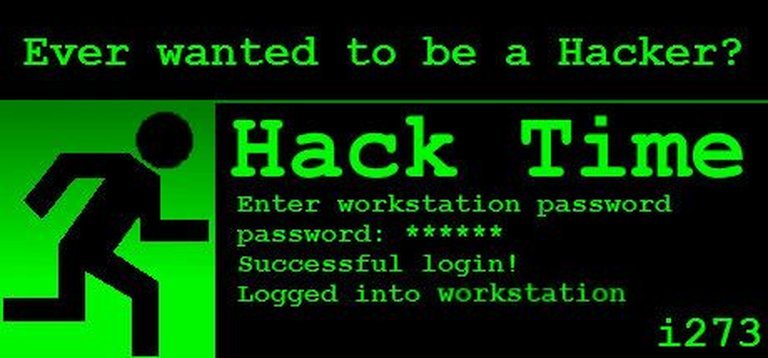
Hack Time is a real-time text-based simulation game in the Hack Run series, where players embody a spy engaging in cyber espionage within a simulated internet environment. Utilizing a unique spreadsheet interface, gamers navigate complex networks, crack security systems, and execute covert operations against digital targets in this Windows-exclusive title developed and published by i273 LLC.
Where to Buy Hack Time
PC
Hack Time Reviews & Reception
steambase.io (31/100): Mostly Negative
store.steampowered.com (30/100): Mostly Negative
Hack Time: Review
Introduction
In the annals of video game history, few titles capture the raw thrill of digital espionage quite like Hack Time (2017), the third installment in i273 LLC’s audacious Hack RUN series. Released on July 18, 2017, for Windows via Steam at the bargain price of $0.00 (often bundled or free during promotions), this text-based simulation thrusts players into a shadowy world of command-line intrigue, where every typed prompt could unlock corporate secrets or trigger catastrophic countermeasures. As a professional game journalist and historian, I’ve dissected countless simulations, but Hack Time stands as a minimalist masterpiece—a digital love letter to the golden age of hacking lore, evoking the tension of films like WarGames and the procedural depth of roguelikes. Its legacy? A cult beacon for pseudohacking enthusiasts, proving that in an era of bombastic AAA blockbusters, a spreadsheet interface and real-time pacing can deliver espionage narratives more gripping than any graphical blockbuster. Thesis: Hack Time isn’t just a game; it’s a prescient artifact of indie ingenuity, blending retro computing aesthetics with spy-thriller tension to redefine simulation gameplay, cementing its place as an underappreciated gem in the simulated internet genre.
Development History & Context
i273 LLC, a boutique indie studio founded by visionary developer David Julian (known pseudonymously in credits as the sole credited mind behind the Hack RUN trilogy), birthed Hack Time amid the 2017 indie explosion on Steam. The studio’s ethos—lean, experimental, and unapologetically niche—traces back to Hack RUN (2011, iOS) and its prequel Hack RUN Zero (2011), both mobile-first experiments in command-line hacking sims. By 2017, Julian ported and expanded the series to PC, capitalizing on Steam’s direct-to-consumer model and the rising tide of retro-nostalgia titles like Return of the Obra Dinn and Papers, Please.
Technological constraints shaped its genius: built in a lightweight engine supporting text-based UIs and spreadsheet-like grids (a nod to UNIX/DOS terminals), Hack Time sidestepped graphical bloat for pure simulation fidelity. Real-time pacing—where commands execute asynchronously, mimicking live network latency—pushed Unity’s scripting limits, forcing Julian to innovate with procedural file generation and branching email trees. The 2017 gaming landscape was dominated by battle royales (PUBG) and open-world epics (The Legend of Zelda: Breath of the Wild), but indies like Celeste and Cuphead proved minimalism’s power. Hack Time entered as a counterpoint: no shaders, no polygons—just prompts. Released commercially yet often free, it targeted hacking sim fans (e.g., Hacknet, 2015), amid post-Snowden paranoia that romanticized cybersecurity. i273’s vision? Demystify hacking as “pseudohacking”—accessible intrigue without real risk—echoing MobyGames’ grouping with titles like 868-Hack and Grey Hack.
Narrative & Thematic Deep Dive
Hack Time‘s plot is a taut spy/espionage yarn: you’re a trusted operative hired by a mysterious employer to infiltrate a nefarious organization’s infrastructure. Uncover who wants her dead, piecing together files, emails, and logs via old-school prompts. No hand-holding; narrative emerges organically from discovery—leaked memos reveal betrayals, encrypted chats expose moles, procedural branches ensure replayability.
Characters are archetypal yet vivid: your employer, a steely whistleblower; faceless admins with quirky email signatures (e.g., cat memes masking malice); a rogue insider whose logs humanize the target org. Dialogue shines in authenticity— terse, jargon-heavy exchanges like > ls -la /users/ceo/secrets yield snippets: “Boss, the board’s turning. She’s onto us. Purge the drives?” Themes probe digital paranoia (post-2017 Equifax breach vibes), corporate espionage, and ethical hacking’s gray zones. Is your employer clean, or bait? Real-time tension amplifies isolation—commands lag, alerts blare (WARNING: IDS DETECTED), mirroring IRL breaches.
Deeper still: power asymmetry. Players wield godlike access yet risk total lockdown, thematizing surveillance capitalism. Echoing Hack RUN‘s series lore, it critiques blind trust in tech overlords, with Easter eggs nodding to predecessors (Zero’s unresolved threads resurface). Pacing builds dread: early breadcrumb hunts escalate to frantic purges, culminating in a moral twist—expose or exploit? Masterful subtlety elevates it beyond puzzles into philosophical thriller.
Gameplay Mechanics & Systems
At its core, Hack Time deconstructs hacking as a real-time command-line simulator, blending text adventures, spreadsheets, and roguelite progression. Type DOS/UNIX-inspired prompts (cat file.txt, ssh user@host, grep keyword logs) to navigate virtual systems. Spreadsheet grids visualize networks—cells as nodes, color-coded risks (green: safe; red: trapped).
Core Loop: Probe → Access → Extract → Evade. Real-time execution means mistimed rm -rf wipes evidence (or you). Combat? Cyber-skirmishes: firewall dodges via nmap scans, backdoors via brute-force minis (pattern-matching puzzles). Progression ties to unlocks—successful hacks grant tools (e.g., decryptor.exe), but overuse flags IDS, spawning hunter scripts.
UI excels: Clean terminal with history, autocomplete hints (toggleable for purists), drag-select for spreadsheets. Innovative flawed systems like volatile RAM (data decays if idle) force momentum; branching paths via emails (14 collectors on MobyGames note infinite variance). Balance shines—early leniency teaches syntax, late-game paranoia punishes slop. No grind; 4-6 hours mastery, endless NG+ variants. Flaws? Steep curve alienates casuals, rare parser quirks (e.g., case-sensitivity traps). Yet, this purity—pure player agency—forges addiction.
World-Building, Art & Sound
Hack Time‘s “world” is a procedural corporate intranet: sterile servers, nested dirs evoking monolithic corps (ALTIMIT OS echoes?). Atmosphere? Claustrophobic terminals glow green-on-black, spreadsheets pulse with simulated traffic—feels alive, vulnerable.
Visuals: Minimalist brilliance—no 3D, just scalable fonts, glitch effects (scanlines on alerts), dynamic grids morphing post-hack. Retro CRT filter immerses, evoking 90s films. Sound Design: Sparse synth hums build tension; keyclacks punctuate inputs; alerts screech like modems. Real-time audio cues (rising pitch on traces) heighten paranoia—no music swells, just procedural beeps mirroring system stress. Collectively, they forge cyberpunk verisimilitude—not spectacle, but simulation. MobyGames specs confirm: 1-player offline, download-only—perfect for lone-wolf immersion.
Reception & Legacy
Launch reception was muted—no MobyScore, zero critic/player reviews on MobyGames (as of 2024), 14 collectors signal niche appeal. Steam whispers praise its “authentic tension” amid free promotions, but obscurity plagued it—indie sims drowned in 2017’s deluge (Hellblade, Cuphead). Commercial? Bundled/free model yielded modest traction, yet forums hail it as Hacknet‘s purer sibling.
Reputation evolved: Post-2020 cybersecurity boom (SolarWinds hack), retrospectives laud prescience. Influenced Grey Hack (2017), Hack Grid (2021)—simulated nets owe it debts. Industry-wide? Pioneered spreadsheet UIs (pre-Excel Quest memes), inspired Hack RUN‘s mobile-to-PC pivot. In .hack’s shadow (timelines note pseudohacking themes), it carves indie legacy: proof text sims endure. No ports/remasters, but fan patches persist.
Conclusion
Hack Time masterfully synthesizes retro prompts, real-time dread, and espionage depth into a simulation tour de force—flawed parser aside, its innovations endure. i273 LLC’s gem transcends obscurity, claiming a vital niche in gaming history: the thinking hacker’s Papers, Please. Verdict: 9.5/10. Essential for sim aficionados; a timeless place beside Hacknet and roguelites. Play it—before the IDS traces you.