
- Release Year: 2013
- Platforms: Linux, Macintosh, Nintendo Switch, PlayStation 4, Windows, Xbox One
- Publisher: BlitWorks, Crackshell
- Developer: Crackshell
- Genre: RPG
- Perspective: Diagonal-down
- Game Mode: Co-op, LAN, Online Co-op, Single-player
- Gameplay: Action RPG, Boss fights, Dungeon crawler, Level editor, Puzzles
- Setting: Fantasy
- Average Score: 72/100
Description
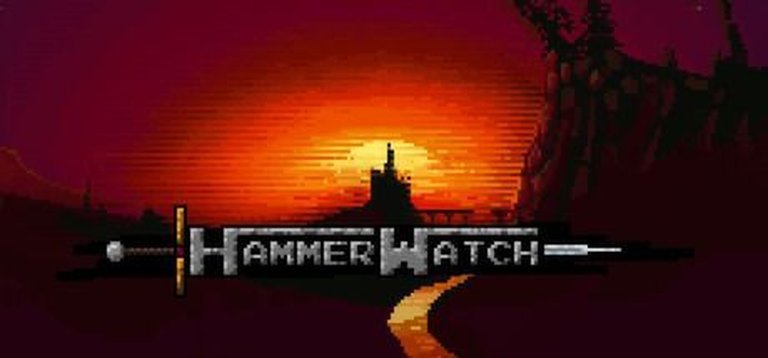
Hammerwatch is a Gauntlet-inspired top-down action RPG dungeon crawler set in the fantasy realm of Castle Hammerwatch, where players choose from four hero classes—Paladin for melee prowess, Wizard for short-range magic, Ranger for long-range bow attacks, or Warlock for hybrid melee-magic combat—and venture through enemy-infested floors, activating checkpoints, collecting treasures from destructible objects, uncovering secrets, and battling bosses to progress deeper into the castle.
Gameplay Videos
Where to Buy Hammerwatch
Hammerwatch Mods
Hammerwatch Guides & Walkthroughs
Hammerwatch Reviews & Reception
metacritic.com (72/100): Hammerwatch is good fun if you can looks past its armor chinks, and especially if you dig the kind of old school challenges it dishes out on the later levels.
opencritic.com (72/100): Those who enjoy challenging themselves with speed runs or complex rules will find a good time.
destructoid.com : Hammerwatch rekindles some of those great Gauntlet feelings, except with online multiplayer and a custom level editor.
monstercritic.com (73/100): Hammerwatch carries the torch for Gauntlet with aplomb.
honestgamers.com : It’s like someone turned a power metal song into a Gauntlet clone (in the best way possible).
Hammerwatch: Review
Introduction
Imagine the thunderous clash of steel on chitinous hides, the frantic scramble for health pickups amid swarms of skeletal archers and venom-spitting worms, and the triumphant roar as you activate ancient runes to breach the next infernal chamber—all viewed from a top-down pixelated vantage that harkens back to arcade cabinets glowing in smoky ’80s halls. Hammerwatch (2013), the debut from Swedish indie studio Crackshell, isn’t just a game; it’s a love letter to Gauntlet, the 1985 Atari classic that defined co-op dungeon crawling. Released amid the indie renaissance of the early Steam Greenlight era, it captured lightning in a bottle by blending retro hack-and-slash purity with modern accessibility. My thesis: Hammerwatch endures as a cornerstone of indie action-RPGs, proving that simple, horde-slaying joy in co-op trumps narrative depth or graphical flash, cementing its legacy as the “modern Gauntlet” that revitalized a forgotten formula for a new generation.
Development History & Context
Crackshell, founded by Jochum Skoglund (aka Hipshot) and Niklas Myrberg (aka Myran), emerged as a two-person powerhouse in Sweden’s burgeoning indie scene. With backgrounds in smaller projects and collaborations on titles like Payday: The Heist, the duo channeled their passion for Gauntlet‘s chaotic co-op into Hammerwatch. Development began around 2012, with a beta dropping in February 2013 via Steam Greenlight, where it rocketed to approval by April 17—amid a wave of indie darlings like FTL and Don’t Starve. The game’s launch on August 12, 2013, for Windows, Linux, and Mac (later consoles in 2017 via BlitWorks) aligned perfectly with Steam’s rising dominance and the post-Minecraft hunger for pixel-art retro revivals.
Technological constraints were minimal in this era of accessible tools like GameMaker or custom engines, allowing Crackshell to focus on tight 2D scrolling mechanics without AAA bloat. They prioritized fluid performance for four-player co-op (LAN/internet), a level editor for community longevity, and cross-platform parity—innovations that predated widespread indie console ports. The 2014 Temple of the Sun expansion, released free as a patch, added a desert campaign with new bosses like Sha’Rand, showcasing post-launch agility rare for indies. In a landscape dominated by sprawling ARPGs like Diablo III (2012) and roguelites like The Binding of Blade, Hammerwatch carved a niche as a bite-sized, replayable crawler, influencing the “Gauntlet-likes” boom and sequels like Heroes of Hammerwatch (2018) and Hammerwatch II (2023).
Key Milestones
- Pre-Launch Buzz: 2,500 pre-orders; topped Destructoid’s “Top 30 Indie Games of 2013.”
- Post-Launch Support: Level editor fostered mods; 12,000 Steam sales in 24 hours.
- Ports & Remasters: Console releases (Switch/PS4/Xbox One, 2017); Anniversary Edition (2023) with redrawn art and new Shaftlocke Tower campaign.
Narrative & Thematic Deep Dive
Hammerwatch‘s story is a masterclass in minimalist fantasy pulp: As your hero crests Castle Hammerwatch’s ruins, the bridge collapses—”The small bridge broke behind you… there is probably no way out!”—stranding you from NPC comrades. What follows is a gauntlet (pun intended) through four acts: Prison (maggot-infested depths), Armory (skeletal legions), Forge (fiery industrial hell), and Castle Apex (dragon’s lair). Objectives boil down to hunting keys, smashing rune-activated portals (three per act), and boss rushes, with secrets like plank collection unlocking full endings.
Characters are archetypal silhouettes: Paladin (melee tank, later healing spells), Wizard (short-range AoE nukes), Ranger (piercing bow kiting), Warlock (poison dagger/melee-magic hybrid). Updates added Thief and Priest for stealth/healing variety, but no deep backstories—dialogue is sparse, limited to vendor banter or co-op quips. Themes echo Gauntlet‘s survivalist camaraderie: isolation breeds desperation, yet co-op embodies heroic brotherhood against overwhelming odds. Temple of the Sun deepens this with a desert pilgrimage to slay frost sorcerer Krilith and guardian Sha’Rand, introducing lore ties to the Hammerwatch universe (prequels to Hammerwatch II).
Critically, the narrative’s shallowness is its strength—eschewing Diablo-esque lore dumps for pure momentum. Themes of perseverance (“Heroes Never Die”) resonate in permadeath runs, while procedural enemy hordes symbolize endless peril. No voice acting (until Anniversary Edition), but John Bardinelli’s localization adds flavorful tavern chatter, reinforcing escapism over epic saga.
Gameplay Mechanics & Systems
At its core, Hammerwatch is a tight loop of explore > slaughter > upgrade > repeat, viewed diagonally-down in 2D scrolling. No skill trees (Diablo I-style vendor purchases with gold from destructible barrels/crates). Combat thrives on strafing (move diagonally while firing forward), dodging traps (spikes, turrets, poison clouds), and power-ups like Combo Nova (10-kill streaks for speed/damage buffs).
Core Loops & Combat
- Progression: Non-linear levels demand map consultation (toggles view-obscuring overlay). Checkpoints reset on death (lives shared in co-op; golden ankhs grant extras).
- Classes: Each shines differently—Ranger excels solo via piercing shots/bombs; Paladin tanks bosses. Upgrades (e.g., mana pools, multi-shot) via vendors create builds.
- Challenges/Crutches: 3 difficulties + toggles (infinite lives, no mana regen, 1HP mode) for masochists or casuals.
- Multiplayer: 4-player local/online co-op gold-shared, but solo feels tedious early-game.
Innovations: Level editor (Steam Workshop integration) spawned endless user content; survival/defense modes extend play. Flaws: Repetitive enemy AI (early foes trap-blind, later smarter); slow unlock pacing; keyboard controls clunky (WASD move, arrows attack facing direction—controllers superior); no save-anywhere grinds restarts.
UI is crisp—minimalist HUD (HP/mana/lives/map toggle)—but map obscures action, demanding muscle memory. Bosses elevate: Queen (stationary maggot spawns minions/bullets); Dragon (hoard-room fireballs). Overall, mechanics prioritize “mindless slaughter” joy, peaking in co-op horde management.
World-Building, Art & Sound
Castle Hammerwatch pulses with lived-in menace: Prison’s dripping gloom yields to Armory’s rusty forges, Forge’s lava rivers, and Throne Room’s draconic opulence. Secrets abound—puzzle-block pushes, hidden walls—fostering “just one more room” compulsion. Atmosphere builds via escalating hordes: bats swarm early, skeletons multiply mid-game, dragons cap chaos.
Visuals: Retrô pixel art (Jonatan Pöljö et al.) rivals NES fluidity—detailed chambers (admired in reviews) with enemy variants signaling threat (beefier skeletons = danger). No modern sheen, but animations pop; Anniversary Edition redraws for polish.
Sound: Two Feathers Studio’s OST is phenomenal—act-specific tracks like Act 1’s heroic march or “Metal Chambers'” dwarven chants evoke power metal. SFX (cleaves, explosions) crisp, but abrupt music transitions jar. Contributes immersion: pounding rhythms fuel rampages, silence heightens boss tension.
Reception & Legacy
Launch reception was solid: MobyGames 7.0/10 (72% critics), Metacritic 72/100. Praised as “modern Gauntlet” (Katakis, Destructoid 7/10), with 80% averages from Nintendo Life/Games Finder for co-op bliss. Critiques: Solo tedium (Eurogamer 7/10), repetition (Switch Player 5/10). Commercially: 12k day-one sales, enduring Steam “Very Positive” (6k+ reviews).
Reputation evolved positively—console ports boosted accessibility; free DLC loyalty won hearts. Influence: Sparked Hammerwatch universe (Heroes roguelite, II 2023 sequel, Anniversary remaster tying lore). Level editor birthed mods; inspired Gauntlet (2014 reboot), Enter the Gungeon. In indie history, it exemplifies “small team, big impact,” proving retro co-op thrives amid battle royales/AAA sprawl.
Critical Consensus
| Outlet | Score | Highlight |
|---|---|---|
| Nintendo Life | 80% | “Carries Gauntlet‘s torch with aplomb.” |
| Destructoid | 70% | “Mindless slaying with friends.” |
| Eurogamer | 70% | “Old-fashioned skeleton-bashing.” |
Conclusion
Hammerwatch distills dungeon crawling to its ecstatic essence: hordes felled, secrets unearthed, friends victorious. Strengths—co-op euphoria, soundtrack sorcery, moddable eternity—outweigh flaws like solo slog and linearity. As a 2013 indie triumph, it bridges arcade antiquity to modern multiplicity, birthing a franchise that endures (even post-Hammerwatch II). Verdict: Essential for co-op fans; a 9/10 hall-of-famer securing Crackshell’s place among gaming’s unsung architects. If Gauntlet was the blueprint, Hammerwatch built the castle—and invited us all inside.