
- Release Year: 2013
- Platforms: Macintosh, Windows
- Publisher: Big Fish Games, Inc
- Developer: Elephant Games AR LLC
- Game Mode: Single-player
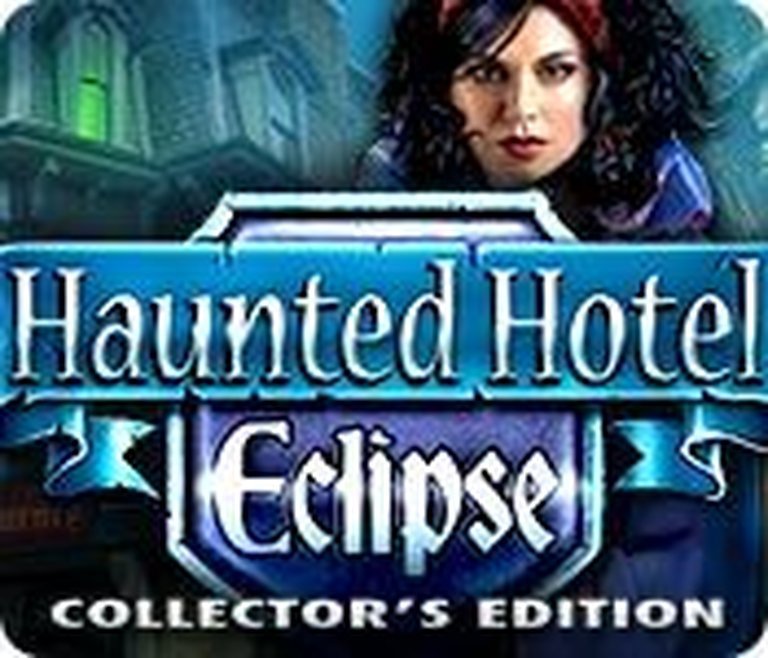
Description
Haunted Hotel: Eclipse plunges players into the eerie Final Journey Hotel, a haunted establishment where supernatural mysteries and chilling secrets await. As a hidden-object adventure game, you’ll navigate through ominous rooms like the Werewolf’s Room, Secret Corridor, and Grotto, solving intricate puzzles and uncovering dark truths to escape the hotel’s clutches. The Collector’s Edition enhances the experience with bonus gameplay, downloadable soundtracks, wallpapers, concept art, and an integrated strategy guide.
Gameplay Videos
Where to Buy Haunted Hotel: Eclipse (Collector’s Edition)
PC
Haunted Hotel: Eclipse (Collector’s Edition) Free Download
Haunted Hotel: Eclipse (Collector’s Edition) Guides & Walkthroughs
Haunted Hotel: Eclipse (Collector’s Edition): Review
1. Introduction
Should anyone ever check in to a place called the Final Journey Hotel? This chilling question sets the stage for Haunted Hotel: Eclipse (Collector’s Edition), a seminal entry in the hidden-object puzzle adventure (HOPA) genre released in 2013. As the first title developed by Elephant Games for the Haunted Hotel series (taking the reins from Specialbit Studios), Eclipse revitalized the franchise with a narrative ambition that transcended typical haunted house tropes. This review posits that Haunted Hotel: Eclipse, while adhering to established HOPA conventions, achieved remarkable distinction through its intricate celestial mythology, atmospheric Gothic setting, and inventive puzzle design. It stands not merely as a disposable casual diversion, but as a foundational work that elevated the genre’s narrative potential and cemented Elephant Games’ reputation for atmospheric storytelling within the constraints of casual gaming. Its legacy lies in proving that even within the static realms of point-and-click adventures, a cosmic battle between light and darkness could unfold with compelling depth.
2. Development History & Context
Haunted Hotel: Eclipse emerged during the golden age of casual downloadable games, a period dominated by publishers like Big Fish Games and studios like Playrix. Released on November 9, 2013, for Windows and Mac, it was the product of a dedicated 45-person team at Elephant Games AR LLC, including key figures like Executive Producer Isaias Vallejo, Senior Producer Anna Rix, Producer Joseph E. Ezell, and Narrative Designer Lisa Brunette. This marked a significant transition, as it was the first Haunted Hotel title under Elephant Games’ stewardship following the series’ initial entries. The technological constraints of the era were evident: modest system requirements (a 1.0 GHz CPU and 1 GB of RAM) dictated reliance on static, hand-drawn 2D artwork rather than 3D environments. This limitation, however, became a strength, allowing the artists to lavish detail on the decaying hotel interiors and eerie locales. The game was developed for a market hungry for accessible yet immersive experiences, often distributed via shareware models on platforms like Big Fish Games. Its release positioned Eclipse as a competitor to narrative-driven HOPAs like Grim Tales and Mystery Trackers, aiming to differentiate itself with a more complex, overarching mythos centered on a divine conflict rather than isolated ghostly encounters.
3. Narrative & Thematic Deep Dive
The plot thrusts the player, alongside the recurring character detective James Blackthorne (introduced here), into the investigation of the Final Journey Hotel. The premise, delivered by a distraught maid, is immediately arresting: she claims the guests are literal monsters engaged in a mysterious battle. This initial hook evolves into a far grander narrative: a millennia-old Divine Conflict between cosmic forces of light (embodied by the Gray Order) and darkness (represented by the Twilight Brothers). The 2013 solar eclipse acts as the catalyst, forcing these ethereal factions to converge at the hotel to determine humanity’s fate – a concept far exceeding typical haunted hotel fare. The narrative’s most significant twist subverts expectations: the seemingly helpless maid is revealed as the orchestrator of the conflict, a masterful subversion of the “The Dog Was the Mastermind” trope (TV Tropes), forcing players to re-evaluate appearances and deception.
Thematic duality permeates every layer. The factions themselves are archetypal opposites – order vs. chaos, light vs. shadow – symbolized by artifacts like the Eclipse Amulet and the Skull Amulets (Copper, Bronze, Silver, Gold). The hotel itself becomes a microcosm of this struggle, a “Hell Hotel” (TV Tropes) where earthly decay mirrors the cosmic battle raging within. James Blackthorne embodies the classic Occult Detective trope, his expertise contrasting sharply with the player’s silent, unnamed protagonist (a series staple). Dialogue, while functional and plot-driven, prioritizes clarity and mystery over deep character development, focusing players on uncovering secrets and solving the underlying celestial puzzle. The narrative successfully transforms a simple investigation into a high-stakes supernatural war, proving that HOPA games could sustain complex, multi-layered stories beyond their typically self-contained mysteries.
4. Gameplay Mechanics & Systems
Haunted Hotel: Eclipse adheres faithfully to the core HOPA formula but executes it with notable polish and inventiveness. The primary loop involves:
- Exploration & Item Collection: Players navigate static, highly detailed scenes (hotel rooms, corridors, gardens, crypts, a labyrinth) using point-and-click mechanics, searching for interactive objects, clues, and inventory items. The walkthrough details a vast array of items: from practical tools like a screwdriver, saw, and hammer, to fantastical objects like the Flutterfire (a magical firefly used for illumination and interaction), and numerous amulets and keys.
- Hidden Object Scenes (HOS): Standard HOPA fare. Players must locate a list of objects within cluttered scenes, sometimes requiring sequential interaction or solving a mini-puzzle first. The walkthrough highlights that item lists can be randomized, adding replayability.
- Inventory Puzzles: This is where Eclipse excels. Items found are combined or used in context to overcome environmental obstacles. Examples abound: using acid to melt a padlock, assembling a saw blade with a handle, using a FLUTTERFIRE to light candles or burn ivy, combining elixirs to activate a magic lamp, assembling amulets to unlock doors, and reconstructing broken objects like mirror shards or a torn painting. The walkthrough demonstrates a constant chain of these logical, inventory-based challenges.
- Mini-Games & Puzzles: A significant variety includes:
- Pattern Matching: Aligning gemstones, arranging books alphabetically, reassembling shattered artifacts (mirror shards, picture pieces).
- Logic Sequences: Solving box locks with codes, navigating a tile-based puzzle with symbols.
- Interactive Set Pieces: Using the Flutterfire in the labyrinth, navigating the maze with the map, operating machinery (waterwheel, jack).
- Dedicated Puzzles: The complex rune stone alphabet puzzle in the tunnel, the intricate card sequence mini-game in the garden, the final crystal alignment puzzle.
- UI & UX: The interface is clean and functional, featuring a bottom toolbar with a map (enabling fast travel between major locations), a journal (tracking clues and objectives), and the inventory. The difficulty offers three modes: Casual (with sparkles and fast hints), Advanced (no sparkles), and Hardcore (no hints), catering to different player preferences. The Flutterfire mechanic adds a unique interactive layer, though its usage is somewhat underdeveloped beyond its initial introduction.
While heavily reliant on Locked Doors and Fetch Quests (collecting specific items to unlock new areas), the game mitigates potential tedium through clever integration of these mechanics and the constant stream of diverse puzzles. The Collector’s Edition enhances the experience with a bonus chapter unlocking more secrets, downloadable wallpapers, soundtracks, concept art, and a fully integrated strategy guide, adding significant value for dedicated players.
5. World-Building, Art & Sound
The Final Journey Hotel is the game’s true protagonist, a masterfully realized labyrinth of Gothic decay and supernatural tension. World-building is achieved through meticulous environmental storytelling:
- Setting: Beyond the hotel itself, the game expands to include overgrown gardens, a mysterious grotto, icy crypts, a labyrinthine cellar, a hidden secret corridor, and a secluded hut. Each location feels distinct yet interconnected, contributing to the hotel’s oppressive atmosphere. The setting achieves the “Hell Hotel” trope perfectly – a self-contained world of shadow and secret passages.
- Visual Direction: The art is primarily static 2D, but exceptionally detailed. Textures evoke age: peeling wallpaper, cobwebbed chandeliers, dust-covered furniture, cracked stone, and decaying wood. Color palettes shift dramatically – cold blues and greys for icy areas, warm, desaturated tones for dusty interiors, and deep, oppressive shadows for hidden spaces. The design excels in symbolic elements: blood-spattered altars, vampire imagery, werewolf motifs, arcane symbols, and the pervasive sense of decay that mirrors the internal conflict. Minor criticism, noted by sources like GadgetSpeak, points to slightly stiff character animations during interactions, but this is a minor flaw in an otherwise strong visual package.
- Sound Design: Audio is crucial for atmosphere. Ambient sounds are meticulously layered: creaking floorboards, distant whispers, the crackle of fire (often from the Flutterfire), dripping water, the howling wind outside. The musical score, available as a digital soundtrack in the CE, is orchestral and appropriately dramatic, swelling during climactic reveals and moments of tension. The absence of full voice acting is a drawback, relying instead on text-based dialogue and environmental sounds to convey the narrative, which can occasionally flatten character moments. However, the soundscape effectively immerses the player in the hotel’s oppressive silence and eerie sounds.
The combination of rich visual detail, evocative soundscapes, and a meticulously designed, interconnected world creates an unforgettable atmosphere of Gothic horror and arcane mystery that elevates the core HOPA experience.
6. Reception & Legacy
Haunted Hotel: Eclipse enjoyed a mixed-to-positive reception upon release, reflecting both its strengths and the inherent limitations of the HOPA genre:
- Critical & Player Reception: On MobyGames, it holds a player average of 3.7/5. On Steam, it boasts an 83% “Positive” rating (18 reviews), with players praising its atmosphere, puzzle variety, and engaging story, though some criticisms noted pacing issues. Critic reviews like those from steambase.io (82/100) called it “A triumphant return to form for the series,” while gadgetspeak.com lamented the hotel’s dangerous secrets. The industry average cited by GameArchives is 52/100, suggesting a more lukewarm critical consensus, possibly reflecting genre fatigue or pacing concerns.
- Commercial Success & Series Impact: As the first Haunted Hotel game under Elephant Games, Eclipse was commercially successful enough to solidify their stewardship of the franchise. It directly led to numerous sequels developed by Elephant Games: Ancient Bane (2014), Silent Waters (2016), The Thirteenth (2016), Phoenix (2015), Room 18 (2019), and others. Its signature character, detective James Blackthorne, became a recurring figure, appearing in over 10 subsequent titles, cementing his status as a fan-favorite element of the series.
- Genre Influence: Eclipse demonstrated the viability of integrating complex, overarching narratives (like the Divine Conflict) into the traditionally self-contained HOPA format. Its success showcased Elephant Games’ ability to blend atmospheric horror with intricate puzzles and meaningful lore, influencing contemporaries in the narrative-driven HOPA space, such as the Grim Tales and Mystery Trackers series. It proved that casual games could sustain deeper world-building and thematic exploration than previously assumed.
While not a revolutionary gameplay innovator, Haunted Hotel: Eclipse‘s legacy lies in its role as a genre cornerstone – a title that pushed the boundaries of storytelling within the HOPA format and established a successful, long-running franchise direction under its new developer.
7. Conclusion
Haunted Hotel: Eclipse (Collector’s Edition) stands as a quintessential, if slightly dated, entry in the HOPA canon. It excels in its atmospheric Gothic world-building, intricate mythology of celestial conflict, and a satisfying density of inventive puzzles that drive the narrative forward. The transition to Elephant Games brought a palpable increase in narrative ambition and environmental detail. While hampered by static visuals, minimal character development, and the inherent repetition of the HOPA formula, Eclipse compensates with its compelling central mystery, the engaging Flutterfire mechanic, and the sheer scope of its interconnected, decaying hotel labyrinth. The Collector’s Edition significantly enhances the experience with valuable extras.
Ultimately, Haunted Hotel: Eclipse is a game best appreciated by dedicated HOPA enthusiasts and those drawn to atmospheric horror with a supernatural twist. Its puzzles offer genuine challenge and creativity, its world is richly detailed, and its narrative, while perhaps not reaching the heights of modern epics, provides a satisfying and intriguing mystery steeped in cosmic duality. It represents a high point for the Haunted Hotel series under Elephant Games and a testament to the genre’s potential for depth beyond simple hidden-object hunts. Final Verdict: A hauntingly solid entry – best enjoyed with a guide and patience for its antiquities, but a worthy pilgrimage for fans of atmospheric puzzle adventures. Its place in video game history is secure as a title that refined and elevated the narrative potential of the casual hidden-object genre.