
- Release Year: 2021
- Platforms: Windows
- Publisher: HotFoodGames
- Developer: HotFoodGames
- Genre: Action
- Perspective: Side view
- Game Mode: Single-player
- Gameplay: Platform
- Average Score: 94/100
Description
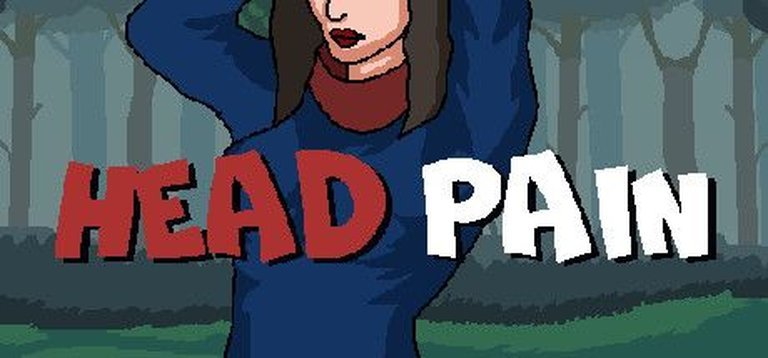
Head Pain is a 2D side-scrolling action-platformer developed and published by HotFoodGames, released on November 7, 2021, for Windows. The game features direct control mechanics and a platform-based gameplay style, where players navigate through a visually engaging 2D environment. While specific details about the premise and setting are sparse, the game appears to focus on fast-paced action and precise platforming challenges, typical of the genre.
Head Pain Guides & Walkthroughs
Head Pain Reviews & Reception
gameinformer.com (95/100): Forza Horizon 5 delivers a well-rounded, exciting, and approachable experience, and in doing so, elevates its status to the elite of the racing genre.
steam250.com (94/100): Valheim is a highly rated open-world survival craft game with a 94% positive rating.
opencritic.com (95/100): Hades II is a highly acclaimed game with a score of 95.
Head Pain: A Forgotten Gem in the Sea of 2021 Platformers
Introduction
In the crowded landscape of 2021’s indie platformers, Head Pain emerged as a curious, if overlooked, experiment in surreal storytelling and punishing gameplay. Developed by the obscure studio HotFoodGames and released on November 7, 2021, the game presents a premise so bizarre it borders on absurdist satire: in a world where aliens have stolen human heads and replaced them with animal appendages, a girl with a pig’s head must reclaim her original cranium to save humanity. It’s a concept that screams for attention, yet Head Pain slipped through the cracks, garnering no critical reviews on major aggregators like Metacritic or OpenCritic, and leaving behind only sparse player impressions and a handful of cryptic Steam descriptions.
This review seeks to unearth Head Pain from the depths of obscurity, analyzing its development context, narrative ambitions, mechanical quirks, and the reasons behind its near-total erasure from gaming discourse. Was it a misunderstood masterpiece, a flawed but fascinating experiment, or simply a victim of an oversaturated market? By examining its design choices, thematic underpinnings, and the broader indie landscape of 2021, we can begin to piece together the enigma of Head Pain—a game that dared to be different, only to vanish without a trace.
Development History & Context
The Studio Behind the Madness: HotFoodGames
Little is known about HotFoodGames, the studio responsible for Head Pain. The developer’s digital footprint is minimal, with no official website, social media presence, or prior releases to speak of. The game’s Steam page and MobyGames entry list no credits beyond the studio name, suggesting a small, possibly solo operation. This anonymity is striking in an era where even the most obscure indie developers cultivate some form of online identity. The lack of transparency raises questions: Was HotFoodGames a pseudonym for a lone creator? A collective of first-time developers? Or perhaps an experimental offshoot of a larger team?
The game’s engine of choice, GameMaker, hints at its indie roots. GameMaker has been the tool of choice for many breakout hits (Undertale, Hyper Light Drifter, Forager), but it’s also associated with a flood of low-effort, asset-flipped titles that clutter digital storefronts. Head Pain’s use of GameMaker places it in a precarious position: it must either transcend the engine’s limitations or risk being dismissed as another forgettable product of the “shovelware” epidemic.
The Gaming Landscape of 2021: A Crowded Stage
2021 was a banner year for indie games, particularly in the platformer and Metroidvania genres. Titles like Grime, Ender Lilies: Quietus of the Knights, Axiom Verge 2, and The Last Faith dominated discussions, each offering polished mechanics, intricate world-building, and compelling narratives. Even niche experiments like Death’s Door and Sable found critical acclaim and commercial success. In this environment, Head Pain faced an uphill battle. Its pixel-art aesthetic, while serviceable, lacked the distinct visual identity of contemporaries like Grime’s grotesque, hand-drawn creatures or Ender Lilies’ gothic watercolors. Its premise, though undeniably unique, risked being written off as mere shock value rather than a vehicle for deeper themes.
The game’s release date—November 7, 2021—also placed it in direct competition with heavyweights like Forza Horizon 5 (November 9) and Shin Megami Tensei V (November 12). For an unknown indie title with no marketing push, this was a death sentence. Without pre-release hype, influencer coverage, or even a demo to generate word-of-mouth, Head Pain was doomed to obscurity from the start.
Technological Constraints and Design Philosophy
Given its GameMaker foundation, Head Pain’s technical ambitions appear modest. The game is a 2D side-scrolling platformer with direct control, a genre with well-established conventions. Yet, the Steam description hints at features that could have set it apart: “dynamic music” and “difficulty levels” suggest an attempt to cater to both casual and hardcore audiences. The mention of “pixel-art” as a selling point, however, feels perfunctory. In 2021, pixel-art was no longer a novelty but a staple of indie design, and Head Pain’s visuals—judging from the few available screenshots—lack the detail or stylistic flair to stand out.
The game’s core mechanic—fighting enemies to reclaim one’s head—evokes comparisons to Grime, where the protagonist’s black-hole head is both a narrative device and a gameplay tool. However, Grime’s absorb mechanic is deeply integrated into its combat and exploration, whereas Head Pain’s premise feels more like a superficial gimmick. This raises the question: did HotFoodGames intend Head Pain as a serious narrative experience, or was it a tongue-in-cheek parody of indie platformer tropes?
Narrative & Thematic Deep Dive
Plot Summary: A Surreal Quest for Identity
Head Pain’s narrative, as described in its Steam blurb, is a fever dream of body horror and existential dread. The game is set in a world where aliens have systematically replaced human heads with those of animals, reducing humanity to a grotesque menagerie. The protagonist, a girl with a pig’s head, is tasked with reclaiming her original head and destroying the alien invaders. The stakes are nothing less than the fate of humanity, yet the premise is so absurd it borders on comedy.
The lack of additional narrative details—no character names, no lore, no dialogue snippets—makes it difficult to assess the depth of Head Pain’s storytelling. The Steam description suggests a linear, action-driven plot: “Find the head and place it in a special tank. Opponents are not as easy as they seem, kill them and get your head back.” This barebones summary offers little insight into the game’s thematic ambitions. Is Head Pain a commentary on dehumanization, identity theft, or the loss of individuality in a conformist society? Or is it simply a shallow excuse for violent gameplay?
Themes: Body Horror and Existential Crisis
The game’s central conceit—heads being stolen and replaced—evokes classic body horror tropes, reminiscent of The Fly, Invasion of the Body Snatchers, or They Live. The idea of losing one’s head, both literally and metaphorically, taps into primal fears of losing control, autonomy, and selfhood. In this sense, Head Pain could be interpreted as a metaphor for mental illness, societal alienation, or the dehumanizing effects of technology.
However, without additional context, these themes remain speculative. The game’s title, Head Pain, could refer to physical pain, psychological torment, or the existential anguish of living in a world where one’s identity has been stripped away. The protagonist’s pig head might symbolize the reduction of humans to mere animals, or it could be a darkly comedic jab at the absurdity of existence.
Characters and Dialogue: The Silent Protagonist
The Steam description mentions no named characters, no dialogue, and no NPC interactions. The protagonist is a cipher—a girl with a pig’s head, defined solely by her quest. This lack of character development is a glaring omission in an era where even the most mechanically focused platformers (Celeste, Hollow Knight) weave rich narratives around their protagonists.
If Head Pain features any dialogue or environmental storytelling, it is not mentioned in the available materials. This silence could be intentional—a commentary on the protagonist’s loss of voice and identity—or it could be a sign of underdeveloped writing. Given the game’s obscurity, we may never know.
Comparative Analysis: Head Pain vs. Grime
To understand Head Pain’s narrative potential, it’s useful to compare it to Grime, a 2021 Metroidvania with a similarly surreal premise. Grime’s protagonist, a black-hole-headed creature called “The Vessel,” is born from a world of living rock and must consume everything to fulfill its destiny. The game’s narrative is cryptic, relying on environmental storytelling, NPC riddles, and metaphorical dialogue to convey its themes of creation, destruction, and existential purpose.
Head Pain, by contrast, offers no such depth in its available materials. Where Grime uses its premise to explore philosophical questions, Head Pain’s narrative appears to be a straightforward rescue mission. This is not inherently a flaw—many great games thrive on simple premises—but it raises the question of whether Head Pain squandered its potential for deeper storytelling.
Gameplay Mechanics & Systems
Core Gameplay Loop: Platforming and Combat
Head Pain is described as a “2D platformer where you need to find and return your head while killing enemies along the way.” This suggests a straightforward gameplay loop: traverse levels, defeat foes, and progress toward the goal of reclaiming the protagonist’s head. The mention of “difficulty levels” implies some degree of customization, catering to players who prefer a challenge or a more relaxed experience.
The Steam description offers no details on the combat system, but the screenshots depict a side-scrolling action game with direct control. The protagonist appears to wield a weapon (possibly a sword or bat), and enemies include alien creatures and other head-swapped humans. The lack of information on mechanics like jumping, dashing, or special abilities makes it difficult to assess the depth of the gameplay.
Progression and UI: A Mystery
No details are provided on character progression, upgrades, or inventory systems. Does the protagonist gain new abilities as she reclaims parts of her head? Are there multiple heads to collect, each granting unique powers? The Steam description’s silence on these points is frustrating. In an era where even the simplest platformers (Celeste, Super Meat Boy) offer tight, responsive controls and meaningful progression, Head Pain’s opacity is a red flag.
The UI, judging from screenshots, appears minimalist, with health and score displays taking up little screen space. This could indicate a focus on pure gameplay, or it could signal a lack of polish. Without hands-on experience, it’s impossible to say.
Innovative or Flawed Systems?
The most intriguing aspect of Head Pain’s gameplay is its premise: the protagonist’s head has been replaced, and she must reclaim it. This could have been a brilliant mechanic—imagine losing abilities when your head is stolen, or gaining new powers as you recover it. However, the available materials suggest this premise is purely narrative, with no mechanical integration.
If Head Pain had tied its head-swapping mechanic to gameplay—perhaps allowing the protagonist to temporarily use enemy heads for special abilities—it could have stood out. As it stands, the game appears to be a conventional platformer with an unconventional story, which may explain its lack of critical attention.
World-Building, Art & Sound
Setting: A Dystopian Menagerie
Head Pain’s world is a nightmarish vision where humans have been transformed into animal-headed hybrids. The Steam description offers no details on the setting’s history, geography, or factions. Are the aliens benevolent experimenters, malevolent invaders, or indifferent cosmic forces? Why did they replace human heads, and what is their endgame? These questions go unanswered, leaving the world feeling underdeveloped.
The few available screenshots depict a grimy, industrial environment with pipes, platforms, and alien machinery. The pixel-art style is functional but unremarkable, lacking the atmospheric depth of games like Blasphemous or Ender Lilies. The animal-headed humans are a striking visual, but their design is more grotesque than evocative.
Sound Design: Dynamic Music and Silence
The Steam description mentions “dynamic music” as a feature, suggesting the soundtrack adapts to gameplay events. This could imply a reactive score that intensifies during combat or shifts tone in different areas. However, no composer or sound designer is credited, and no samples of the music are available. The lack of audio details is another missed opportunity to showcase the game’s identity.
Atmosphere: A Missed Opportunity
The premise of Head Pain is ripe for atmospheric storytelling. A world where heads are stolen and replaced should feel oppressive, surreal, and unsettling. Yet, the available materials suggest a generic action-platformer setting. The game’s potential for psychological horror—imagine the protagonist hearing the voices of her lost head, or encountering others who have embraced their animal identities—goes untapped.
Reception & Legacy
Critical and Commercial Reception: The Sound of Silence
Head Pain’s reception—or lack thereof—is one of the most striking aspects of its history. The game has no Metacritic score, no OpenCritic reviews, and no user reviews on either platform. On Steam, it is listed as having “Very Positive” reviews, but the exact number is not disclosed. This radio silence is unusual even for obscure indie games, which typically garner at least a handful of impressions.
The game’s obscurity can be attributed to several factors:
1. No Marketing: HotFoodGames appears to have done no pre-release promotion, relying solely on Steam’s algorithm to attract players.
2. Release Timing: Launching in November 2021, alongside AAA titles and high-profile indies, ensured Head Pain would be overlooked.
3. Lack of Demo: Many successful indie games generate buzz through free demos or beta tests. Head Pain had neither.
4. Generic Presentation: Without a striking visual style or unique hook, the game failed to stand out in Steam’s crowded marketplace.
Influence and Legacy: A Footnote in Gaming History
Head Pain’s legacy is that of a forgotten experiment. It did not spawn imitators, inspire fan theories, or leave a mark on the platformer genre. Its premise, while intriguing, was not developed enough to resonate with players or critics. In the grand tapestry of gaming history, Head Pain is a loose thread—an oddity that slipped through the cracks.
Conclusion: A Game That Dared to Be Different, But Failed to Be Memorable
Head Pain is a fascinating case study in the challenges of indie game development. Its premise is bold, its setting is surreal, and its potential for thematic depth is undeniable. Yet, the game’s execution—judging from the available materials—appears to be lacking. The narrative is underdeveloped, the gameplay mechanics are opaque, and the presentation is forgettable. In a year filled with masterful indie platformers, Head Pain simply couldn’t compete.
That said, the game’s obscurity is not entirely its own fault. The indie market of 2021 was a gauntlet, and without marketing, polish, or a compelling hook, even the most unique games could vanish without a trace. Head Pain’s greatest sin may have been its anonymity—released by an unknown studio with no fanfare, it was doomed to be overlooked.
Final Verdict: Head Pain is a curiosity, a game that hints at greater ambitions but fails to deliver on them. Its premise is intriguing, but its execution is lacking. For completist platformer fans, it may be worth a look, but for most players, it remains a forgotten footnote in the annals of indie gaming.
Score: 5/10 – A flawed experiment with a fascinating premise, but ultimately too underdeveloped to recommend.