
- Release Year: 2023
- Platforms: Linux, Nintendo Switch, PlayStation 4, Windows
- Publisher: Red Art Games, Team KwaKwa
- Developer: Team KwaKwa
- Genre: Action, Roguelike, RPG
- Perspective: Side view
- Game Mode: Single-player
- Gameplay: Direct control, Platform, Roguelike elements
- Setting: Fantasy
- Average Score: 72/100
Description
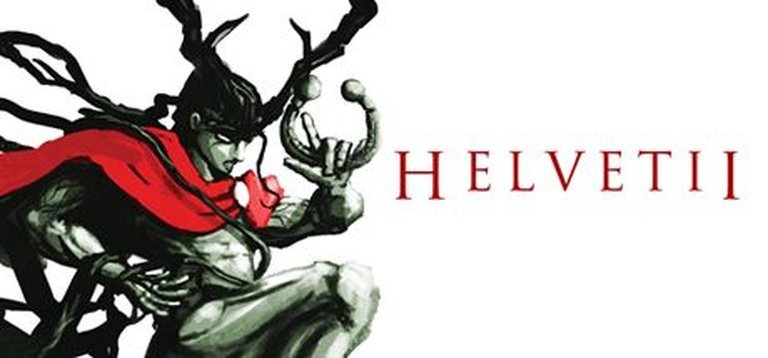
Helvetii is an action-packed 2D scrolling game set in a fantasy world, blending elements of platforming, RPG, and roguelike genres. Players take control of druids in a side-view perspective, engaging in fluid combat and exploring a gorgeously designed environment. The game features three distinct characters, each offering unique gameplay experiences, and is praised for its challenging gameplay, stunning soundtrack, and engaging story.
Gameplay Videos
Where to Buy Helvetii
PC
Helvetii Cracks & Fixes
Helvetii Patches & Updates
Helvetii Mods
Helvetii Guides & Walkthroughs
Helvetii Reviews & Reception
metacritic.com (66/100): Helvetii is beautifully crafted, blending handcrafted art and solid movement and combat mechanics into a challenging roguelike structure that is sure to please any fan of the genre. However, the exploration of the environments and the relatively slow progression are not the best of its qualities.
eshopperreviews.com (80/100): Helvetii is an Action-Platformer with Roguelike elements, and while the Roguelike side of things is kinda’ half-baked, the Action-Platformer combat is good, making for an enjoyable game that’s worth trying out.
opencritic.com (70/100): Despite gorgeous visuals, a strong soundtrack, and solid combat, Helvetii stumbles on basic game design. With this little variety within each area, the choice to make it a roguelite was a mistake and quickly left me wanting to move on to a different title.
purenintendo.com : Helvetii has a story and is an adventure game. However, the story is a bit thin, and the interaction with other characters and the relation of the story to the adventure you are on are a bit lackluster.
Helvetii: A Celtic Mythos Roguelite Caught Between Ambition and Repetition
Introduction
In an industry saturated with roguelites, Helvetii dares to carve its niche by resurrecting the forgotten myths of the Gaulish Helvetii tribe. Developed by Swiss studio Team KwaKwa, this 2D action roguelite blends hand-painted artistry with combo-driven combat, inviting players to vanquish a creeping curse born from a warrior’s hubris. While its striking visuals and varied character kits initially dazzle, Helvetii struggles to reconcile its roguelite aspirations with repetitive design, leaving it torn between being a cult classic and a missed opportunity.
Development History & Context
Studio Vision and Challenges
Team KwaKwa, a small Swiss indie studio, began developing Helvetii in 2018, fueled by a passion for Celtic history and precision combat. The game’s Kickstarter success in 2020 highlighted fan interest in its unique setting, but delays—exacerbated by COVID-19—pushed its release to February 2023. Lead designer Kevin Péclet (Hoot) and programmer Isabelle Roesch (Ironbell) sought to merge Vanillaware’s lush 2D aesthetics with the “easy-to-learn, hard-to-master” ethos of character action games like Dragon’s Crown.
Technological Constraints
Built in Unity with Spine animation, Helvetii opts for tightly framed, side-scrolling combat to emphasize its intricate animations. However, the closed camera and limited enemy variety reflect the studio’s small scale. The roguelite structure, a pragmatic choice for replayability, inadvertently exposes the game’s thin procedural generation, with critics noting repetitive room layouts and upgrades.
2023 Gaming Landscape
At launch, Helvetii faced stiff competition from polished roguelites like Hades and Dead Cells. Its Celtic mythos angle was both a strength and a liability: novel enough to stand out, yet niche enough to limit broader appeal.
Narrative & Thematic Deep Dive
Plot and Characters
Set in 100 BCE Gaul, Helvetii follows Divico, a warchief whose pact with ancient gods backfires, unleashing a rot that corrupts his land and mind. Joined by the fox-man Renart and druid Nammeios, Divico seeks redemption through combat. Each character embodies distinct archetypes:
– Divico: The brutish warrior, burdened by guilt.
– Renart: A nimble parry-focused hybrid, representing duality.
– Nammeios: A fragile caster, symbolizing fading tradition.
Their interplay explores themes of sacrifice, corruption, and cultural erosion, though the storytelling is sparse, relegated to brief dialogues and environmental cues.
Mythological Roots
Helvetii draws deeply from Swiss and Germanic folklore, reimagining deities like Teutates (a god of war) as combat buffs. This fidelity to history is commendable but underdeveloped; the narrative rarely transcends its premise, leaving players to fill gaps with external knowledge.
Gameplay Mechanics & Systems
Combat: Style Over Substance
The combat system is Helvetii’s crown jewel. Each character boasts a full moveset from the start:
– Divico excels in guard-breaking and aerial juggles.
– Renart relies on timed parries and rapid combos.
– Nammeios manipulates elemental magic, rewarding precision.
Combos feel weighty, but critics noted a lack of feedback—enemies seldom flinch, undermining the visceral thrill. The addition of god-granted “summons” (like Teutates’ screen-clearing strike) adds tactical depth, though their rarity diminishes impact.
Roguelite Systems: A Double-Edged Sword
Progression hinges on permadeath runs and meta-upgrades (e.g., stat boosts unlocked via Sigils). However, the roguelite structure feels half-baked:
– Room layouts lack meaningful variety.
– Item upgrades are incremental, rarely transforming playstyles.
– Difficulty spikes frustrate, as noted by Niche Gamer: “Roguelike mechanics artificially lengthen the game.”
Post-launch patches (e.g., the “Cooking Update”) introduced QoL improvements, like dash-cancel moves and a cooking minigame, but couldn’t fully address core issues.
World-Building, Art & Sound
Visual Splendor
Helvetii’s hand-painted backdrops are breathtaking, evoking ancient forests, snow-capped peaks, and rotting villages. The art team, led by Péclet, channels Vanillaware’s richness but with a darker, earthier palette. Some animations feel stiff, however, particularly in enemy movements.
Soundtrack: A Haunting Ode
Composer Dale North (Dragon Fantasy) and vocalist Emi Evans (NieR) deliver a melancholic score blending Celtic instrumentation with choral chants. Tracks like “Jura’s Lament” underscore the tragedy of Divico’s fall, though the audio mix occasionally drowns out dialogue.
Reception & Legacy
Critical Response
Helvetii earned a 69% average score across 17 critics (MobyGames). Praise centered on its visuals (Pocket Tactics: “gorgeous 2D world”) and combat fluidity (PSX Brasil: “solid mechanics”). However, detractors dismissed its roguelite elements as “uninspired” (TheSixthAxis) and “grindy” (Hey Poor Player).
Commercial Impact
The game found a modest audience, particularly among Celtic mythology enthusiasts. Its physical edition via Red Art Games cemented its niche appeal but failed to break into mainstream circles.
Industry Influence
While Helvetii hasn’t sparked imitators, it demonstrated the potential of underrepresented mythologies in gaming. Its post-launch support—rare for small studios—sets a precedent for community-driven development.
Conclusion
Helvetii is a paradoxical gem: a game of immense passion hamstrung by its own ambitions. Its art and combat shine brightly, offering glimpses of a masterpiece, while its roguelite trappings and repetitive design dull the experience. For players craving Celtic lore or stylish 2D brawlers, Helvetii is worth the journey—but with tempered expectations. In the pantheon of indie roguelites, it’s a flawed yet fascinating tribute to forgotten legends, destined to be remembered more for its heart than its execution.
Final Verdict: A 7/10—a visually stunning, mechanically solid action game weighed down by roguelite conventions.