
- Release Year: 2016
- Platforms: Windows
- Developer: M. Hanka
- Genre: Role-playing, RPG
- Perspective: Top-down
- Game Mode: Single-player
- Gameplay: Roguelike
- Setting: Ancient, Egypt
- Average Score: 65/100
Description
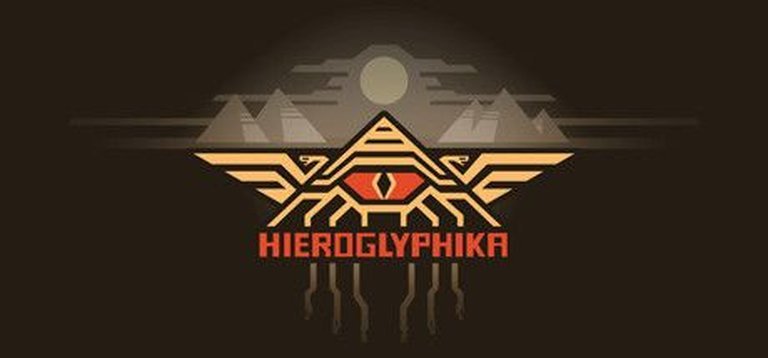
Hieroglyphika is a roguelike role-playing game set in Ancient Egypt, featuring a top-down perspective and procedurally generated environments. Players navigate through treacherous tombs filled with mystical creatures and cryptic puzzles, utilizing strategic combat and exploration to survive. With its permadeath mechanics and ever-changing layouts, each playthrough offers a unique challenge as you delve deeper into the secrets of ancient hieroglyphs and uncover hidden treasures.
Where to Buy Hieroglyphika
PC
Hieroglyphika Patches & Updates
Hieroglyphika Reviews & Reception
metacritic.com (70/100): A fun – if challenging – addition to a Roguelike fan’s roster.
metacritic.com (60/100): This isn’t a game with an incredible amount of content, and it’s possible to see everything there is on offer after a couple of runs.
opencritic.com (70/100): Hieroglyphika is a fun – if challenging – addition to a Roguelike fan’s roster.
opencritic.com (60/100): This isn’t a game with an incredible amount of content, and it’s possible to see everything there is on offer after a couple of runs.
Hieroglyphika: Review
Introduction
In an industry dominated by bombastic AAA spectacles and nostalgia-driven remakes, Hieroglyphika (2016) carves a distinct niche as a whispering hierophant in the shadowed halls of indie roguelikes. Developed by solo creator M. Hanka, this pictographic odyssey into Ancient Egypt eschews conventional storytelling and linguistic signposts, offering instead a silent, tactile communion with the past. Its thesis lies in its radical communication: a fully textless interface where history speaks through iconography, environmental puzzles, and systemic gameplay. Emerging during the mid-2010s roguelike renaissance alongside titans like FTL and Darkest Dungeon, Hieroglyphika quietly challenges how players engage with both ancient aesthetics and historical game design. This review argues that Hieroglyphika stands as an unorthodox yet vital artifact of public history—a game that translates archaeological curiosity into interactive ritual.
Development History & Context
Studio & Vision:
M. Hanka, a singular creative force behind Hieroglyphika, crafted the game as an experimental love letter to linguistic minimalism and Egyptological mystery. Developed in GameMaker, the project reflects indie constraints—limited to 2D top-down perspectives—but weaponizes these limitations into a cohesive aesthetic. Hanka’s vision was clear: to evoke the act of decipherment itself, stripping away exposition to make players feel like archaeologists navigating an untranslated tomb.
Technological & Era Constraints:
Released in February 2016 for Windows via Steam, Hieroglyphika arrived during a surge in roguelike innovation (e.g., Crypt of the NecroDancer, 2015), yet stood apart through its refusal of textual UI. Technical limitations necessitated abstract visual storytelling—enemies, spells, and traps rendered as tile-based hieroglyphs. The game’s turn-based pacing and mouse-driven interface reflected PC gaming’s affinity for deliberate, contemplative play, contrasting with the era’s trend toward fast-paced action roguelites like Enter the Gungeon (2016).
Gaming Landscape:
The mid-2010s saw historical settings proliferate, from Assassin’s Creed: Origins’ sprawling Ptolemaic Egypt to Total War: Pharaoh. Yet Hieroglyphika rejected AAA spectacle, aligning instead with indie reimaginings of history (Kingdom: New Lands, 2016). Its minimalist approach anticipated later textless narratives like Return of the Obra Dinn (2018), proving that absence of words could deepen historical immersion rather than diminish it.
Narrative & Thematic Deep Dive
Plot & Characters:
Hieroglyphika lacks traditional protagonists or dialogue. Players embody an unnamed explorer descending into procedurally generated pyramids haunted by spectral guardians—Anubis-like jackals, scarab swarms, and mummified horrors. The “narrative” emerges through environmental inference: shattered sarcophagi imply grave robbers’ failures; murals depict rituals gone awry. The silence becomes thematic—an acknowledgment of history’s irretrievable mysteries.
Themes:
At its core, Hieroglyphika meditates on decay and interpretation. The decaying pyramid mirrors the fragility of historical records; traps and cursed artifacts serve as metaphors for the dangers of misreading the past. Unlike celebratory Egypt-themed games (Sphinx and the Cursed Mummy), it embraces the culture’s funerary solemnity, framing exploration as a dialogue with the dead. Every interaction—disarming a blade trap, deciphering a glyph’s combat effect—becomes an act of hermeneutics.
Dialogue & Text:
The absence of text transforms gameplay into linguistic anthropology. Spells are learned via pictograms resembling actual hieroglyphs (e.g., the Ankh for healing, Eye of Horus for perception), while item effects are conveyed through universally legible symbols (a shield icon for defense, crossed swords for attack). This design demands player intuition, echoing how historians extrapolate meaning from fragmentary sources.
Gameplay Mechanics & Systems
Core Loop:
Hieroglyphika’s roguelike structure is ruthlessly traditional: permadeath, procedurally generated floors, and inventory-based progression. Each run begins in the pyramid’s upper chambers, descending through increasingly lethal tiers. Movement and actions are turn-based, with enemies reacting to each player input—a design that amplifies tension, as every step risks triggering traps or ambushes.
Combat & Progression:
Combat pivots on item management. Weapons, shields, and artifacts grant stats (attack, defense, magic) tied to their depth of origin—deeper floors yield stronger gear but introduce deadlier curses. A spear from Level 3 might offer +5 attack but slow movement; a scarab amulet could repel insects but attract vengeful spirits. This risk/reward calculus forces agonizing trade-offs, mirroring archaeological dilemmas: Do I risk wielding this cursed relic for its power?
Systems & UI:
The UI communicates entirely through symbols: highlighted tiles denote interactables (sarcophagi, levers), while hovering the mouse reveals context-sensitive actions (open, pull, cast). Cooldowns are visualized via pulsing icons, requiring players to strategize turn sequences carefully. The absence of tutorials is deliberate—Hieroglyphika teaches through glyphic feedback: a player who steps on a pressure plate learns its trap effect by witnessing spikes erupt.
Innovations & Flaws:
The pictographic language is revolutionary, enabling cross-cultural accessibility while deepening immersion. However, ambiguity sometimes frustrates: without text, deciphering nuanced item interactions can feel arbitrary. The pace, too, polarizes; deliberative turn-based play clashes with modern roguelike expectations, leading some players to criticize its “slow execution” (Steam reviews).
World-Building, Art & Sound
Setting & Atmosphere:
Hieroglyphika’s pyramid is a claustrophobic labyrinth of sandstone corridors, burial chambers, and collapsing shafts. The art style merges evocative minimalism with Egyptological rigor: walls feature simplified but recognizable reliefs of gods and pharaohs, while enemies evoke Bestiary tropes (jackal-headed warriors, serpentine guardians). Lighting is deliberately oppressive—torchlight flickers in narrow radii, casting long shadows that obscure threats.
Visual Direction:
The 2D tile-based aesthetic channels classic roguelikes (NetHack) but infuses them with Egyptomania. Each sprite is a readable hieroglyph: potions resemble alabaster vessels, traps recall pressure plates from real tombs. Color palettes shift with depth—ochre upper floors give way to necrotic blues in lower catacombs, visually charting descent into the underworld.
Sound Design:
Ambient soundscapes dominate: echoes of dripping water, distant sandstorms, and the low hum of cursed relics. Music is sparse, prioritizing diegetic noise—a mummy’s rasp, the scuttle of beetles—to amplify dread. When score swells (e.g., during boss encounters), it employs haunting reed flutes and percussion, evoking period-appropriate instrumentation without romanticism.
Contribution to Experience:
Together, these elements forge an archaeological nightmare—a space where every sensory cue reinforces the fragility of human intrusion. The silence isn’t empty; it’s curated, forcing players to listen to history’s whispers.
Reception & Legacy
Critical & Commercial Reception:
Hieroglyphika garnered mixed-to-positive reviews. Critics praised its “audacious pictographic design” (Metacritic user score: 7.8) but noted its steep learning curve. Steam reviews reflect polarization: “A masterpiece of silent storytelling” vs. “Too obscure for its own good.” Commercially, it remained niche—a cult favorite among roguelike purists and Egyptology enthusiasts.
Reputation Evolution:
Initially overlooked in 2016’s crowded indie landscape, Hieroglyphika has since been reappraised as a pioneer of tactile history. Academics cite it in discussions of “public history through games” (Hartman et al., 2021), noting how its textless interface democratizes access to historical themes. Sequels never materialized, but its influence echoes in games like Heaven’s Vault (2019), which similarly centers on archaeological decipherment.
Industry Influence:
Hieroglyphika’s legacy lies in proving that historical games need not rely on cinematic spectacle or exhaustive text. Its systemic approach—where history is felt through mechanics, not lectures—prefigured trends in experimental heritage games (Road 96, Artefact). It also inspired niche modding communities, with fans creating hieroglyphic asset packs for Caves of Qud and Cataclysm: Dark Days Ahead.
Conclusion
Hieroglyphika is an epitaph written in sand—a transient, fragile, yet enduring testament to gaming’s capacity for historical evocation. Through its silent glyphs, cursed artifacts, and lethal tombs, it transforms the roguelike into a meditative dig-site, where every playthrough feels like unearthing a fragmented stele. While its deliberate ambiguity and pacing limit mainstream appeal, these traits also define its genius: no other game so brilliantly simulates the act of historical interpretation, where meaning is wrested from ruin through trial, error, and intuition. In the annals of video game history, Hieroglyphika deserves recognition not as a blockbuster, but as a finely carved scarab—small, intricate, and pulsing with quiet magic. Final Verdict: A flawed yet essential artifact for students of history, roguelikes, and the hieroglyphic language of play.