
- Release Year: 2018
- Platforms: Windows
- Publisher: NVYVE Studios
- Developer: NVYVE Studios
- Genre: Action
- Perspective: 1st-person
- Game Mode: Single-player
- Gameplay: Roguelike, Shooter
- Setting: Futuristic, Sci-fi
- Average Score: 61/100
Description
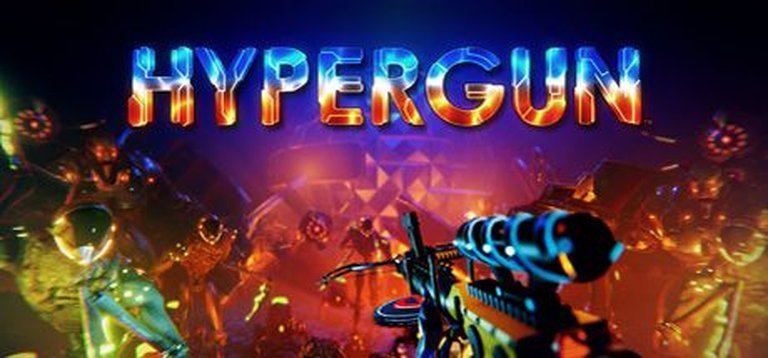
Hypergun is a fast-paced, first-person roguelite shooter set in a sci-fi universe where players take on the role of Dewey Owens, an intern at DevTech Labs. The game tasks players with building the ultimate weapon, the HYPERGUN, by fighting through procedurally generated levels filled with alien invaders, unlocking new weapon modules, classes, and abilities to overcome increasingly difficult challenges and epic bosses.
Where to Buy Hypergun
Hypergun Cracks & Fixes
Hypergun Patches & Updates
Hypergun Mods
Hypergun Reviews & Reception
metacritic.com (62/100): Hypergun is an entertaining shooter best enjoyed over short bursts. While there’s a seemingly endless variety of creatable weapons, grinding run after run gets old fast.
thirdcoastreview.com : The gunplay is absolutely some of the weakest feeling, most unsatisfying shooting experiences I’ve had recently.
blastawaythegamereview.com : Gameplay is an absolute neon-light induced delight.
opencritic.com (60/100): Hypergun’s modular weapons make for wildly imaginative guns, but the game suffers from repetitive elements that drag this roguelite shooter down.
Hypergun Cheats & Codes
Hypergun PC
Enter the following commands in the console window.
| Code | Effect |
|---|---|
| iamunlimited | Grants unlimited ammunition |
| godmodeon | Makes the player virtually invincible |
| levelskip | Skips straight to the chosen level |
| noreload | Prevents the need to reload weapons |
| scoremultiplier | Multiplies the player’s score by up to 10 times |
| superweapon | Unlocks a special weapon with increased damage and range |
| unlimitedhealth | Prevents the player from dying, granting unlimited health |
Hypergun: Review
In the neon-drenched trenches of the roguelite genre, where the promise of endless replayability and emergent narratives reigns supreme, Hypergun (2018) emerges as a title of striking contradictions. Developed by NVYVE Studios, this first-person shooter tasks players with building an “ultimate weapon” through simulated trial and error, yet it ultimately delivers an experience that feels both exhilarating and exhausting. This review delves into the game’s intricate mechanics, thematic ambitions, and divisive execution to determine its place in the pantheon of modern shooters.
1. Introduction
Hypergun bursts onto the scene with a bold premise: In 2038, Earth is overrun by aliens, and humanity’s last hope lies in a top-secret program at DevTech Labs. Players assume the role of Dewey Owens, an intern who infiltrates the facility over the weekend to run combat simulations. The goal? To forge the eponymous Hypergun—a procedurally assembled weapon capable of exterminating the alien threat. This fusion of office drudgery, existential stakes, and experimental gun-crafting promises a unique take on the roguelite FPS. Yet, while the game dazzles with its cyberpunk aesthetic and frenetic pace, it stumbles under the weight of repetitive design and unsatisfying core mechanics. The central thesis is clear: Hypergun is a technically proficient and stylish experiment that captures the addictive highs of the genre but falters by failing to translate its weapon-modifying genius into truly compelling gameplay.
2. Development History & Context
NVYVE Studios, a small independent team, crafted Hypergun as their follow-up to the challenging survival-horror title P.A.M.E.L.A.. Released on August 23, 2018, for Windows—with PlayStation 4 and Xbox One versions arriving later—the game leveraged the Unity engine to deliver its vibrant, neon-soaked visuals. The developers envisioned a fast-paced, “Mech-vs-Aliens” experience where players could experiment with over 150 weapon modules, each altering the Hypergun’s form and function in unpredictable ways. This vision emerged during a period saturated with roguelite successes like Enter the Gungeon and Dead Cells, positioning Hypergun as a contender in a crowded market. However, its reliance on procedural generation and randomized loot placed it in direct competition with titles like Mothergunship, which offered deeper customization. The studio’s commitment to post-launch support, including planned modes like “Endless” and “Mutators,” signaled ambition tempered by the constraints of a small budget and an unforgiving genre.
3. Narrative & Thematic Deep Dive
Hypergun‘s narrative is a minimalist tapestry woven from corporate satire and sci-fi tropes. The year is 2038, and Earth has been occupied by technologically superior aliens. Humanity’s desperate countermeasure is the Hypergun program, a simulation overseen by DevTech Labs, where interns like Dewey Owens—the player character—are tasked with weapon-testing. The story unfolds through environmental storytelling: passive-aggressive post-it notes, cryptic emails (including one meta-joke referencing the game’s own announcement video), and scattered data logs. Dewey’s motivations remain ambiguous—Is he a hero or a saboteur? This ambiguity serves as a clever thematic anchor, mirroring the game’s core philosophy of trial-and-error. The narrative mocks corporate futility, framing world salvation as a weekend project of questionable efficacy. Themes of dehumanization emerge as the simulation reduces combat to a data-driven exercise, stripping away emotional weight in favor of statistical optimization. Yet, the narrative’s brevity and reliance on subtext leave players yearning for deeper engagement, reducing the alien invasion to a backdrop for gunplay rather than a compelling narrative force.
4. Gameplay Mechanics & Systems
The gameplay loop of Hypergun is a study in controlled chaos. Players select from four unlockable classes—each with unique base weapons (e.g., the Intern’s SMG, the Lawyer’s shotgun)—and dive into procedurally generated simulation levels. Each run consists of six stages, comprising interconnected rooms filled with waves of aliens. The core mechanic revolves around weapon modification: over 150 modules automatically attach to the Hypergun upon pickup, altering its stats (damage, fire rate) and appearance—from practical additions to absurdities like popcorn shooters or coffee-machine stocks. This system generates unpredictable loadouts, fostering moments of chaotic brilliance. However, it also introduces significant flaws. Weapon attachments are purely RNG-dependent, leading to frustrating runs where critical upgrades are scarce. Secondary fire modes, despite offering variety (e.g., grenades, sawblades), suffer from weak feedback, making it hard to distinguish their effects.
The progression system relies on two currencies: “Bits” for in-run consumables (health, ammo) and “Hypercoins” for persistent unlocks like new classes and skills. This creates a grindy loop, as Hypercoins accrue slowly, forcing players into repetitive runs. Level design, while procedurally generated, lacks diversity; rooms often feel samey, with only superficial thematic changes (e.g., lava pits or flamethrower traps). Enemy variety is another casualty—just 11 common types and 6 bosses—with AI glitches (e.g., aliens stuck on walls) undermining tension. Boss fights, though visually distinct, rely on memorizing patterns rather than skill-based adaptation. Ultimately, the gameplay excels in its chaotic unpredictability but falters due to shallow enemy design, lack of verticality, and a punishing RNG system that can turn exhilaration into tedium.
5. World-Building, Art & Sound
Hypergun thrives in its aesthetic execution, forging a cohesive cyberpunk universe. The DevTech Labs hub—littered with laptops and corporate paraphernalia—sets a tone of mundane dystopia, while the simulation levels explode into vibrant, neon-lit arenas. Each level introduces distinct visual themes (e.g., crystalline caverns or metallic corridors), though procedural reuse creates a sense of déjà vu. The art direction excels in weapon customization; as modules attach, the Hypergun morphs into absurd, hilarious configurations—part sci-fi firearm, part Rube Goldberg contraption. This visual flair extends to enemy designs, which, though varied, lack the personality of genre peers. Sound design, however, is a mixed bag. An energetic techno soundtrack elevates combat sequences, but weapon effects lack punch, often sounding muffled or indistinct. Environmental cues (e.g., alien roars) help distinguish threats, yet the soundtrack’s limited looping fails to sustain intensity during prolonged fights. The juxtaposition of vibrant visuals and lukewarm audio creates a dissonance where the world feels alive, but the combat lacks visceral oomph.
6. Reception & Legacy
Upon release, Hypergun received a lukewarm reception. On Metacritic, it holds a mixed score of 62, with critics praising its aesthetics and weapon variety but condemning its repetitive structure and gunplay. Way Too Many Games lauded its “fantastic frantic FPS shooter” elements and meta-humor, awarding it 8.5/10, while PC Invasion lamented that it “lacks the punch and polish needed to elevate to greatness.” User reviews were harsher, with a Metacritic user score of 2.8, citing frustration over RNG and pacing. The game’s legacy is similarly divided. It is remembered as a competent but flawed entry in the roguelite boom, often compared unfavorably to Mothergunship for its less satisfying combat. Over time, it gained a niche following for its chaotic weapon experiments, but its failure to innovate beyond the genre’s conventions limited its impact. Post-launch patches addressed some bugs, and planned features like “Endless” mode hinted at untapped potential, yet Hypergun remains an also-ran—a cautionary tale about the pitfalls of prioritizing style over substance.
7. Conclusion
Hypergun is a game of two halves: a neon-drenched dream of weapon-crafting genius and a frustrating slog through repetitive design. Its core achievement lies in the sheer joy of watching the Hypergun evolve into a ridiculous, powerful contraption—each run a new experiment in controlled mayhem. The art direction and techno-infused atmosphere create an immersive cyberpunk playground, while the procedural weapon system offers genuine replayability. Yet, these strengths are undermined by fundamental flaws. The gunplay, the very heart of a shooter, feels weightless and unsatisfying, compounded by a reliance on RNG that can turn success into sheer luck. Enemy variety and level design, initially promising, succumb to monotony, and the narrative’s minimalism leaves the world-building feeling skeletal. While NVYVE Studios’ ambition is commendable, Hypergun ultimately embodies the risks of the roguelite genre—without the polish or depth of its peers, it becomes a fleeting thrill rather than a lasting experience. For dedicated FPS fans seeking chaotic experimentation, it offers a diverting distraction on sale, but for most, it remains a footnote in the roguelite revolution—a hypergun firing blanks in a galaxy of superior stars.