
- Release Year: 2020
- Platforms: Nintendo Switch, PlayStation 4, PlayStation 5, Windows, Xbox One, Xbox Series
- Publisher: Annapurna Games, LLC
- Developer: Hollow Ponds Games Ltd., Richard Hogg Ltd.
- Genre: Adventure, Puzzle
- Perspective: 3rd-person (Other) Side view
- Game Mode: Single-player
- Gameplay: Cross-section, Exploration, Object finding, Point and click, Puzzle, Search and find
- Setting: Fantasy
- Average Score: 80/100
Description
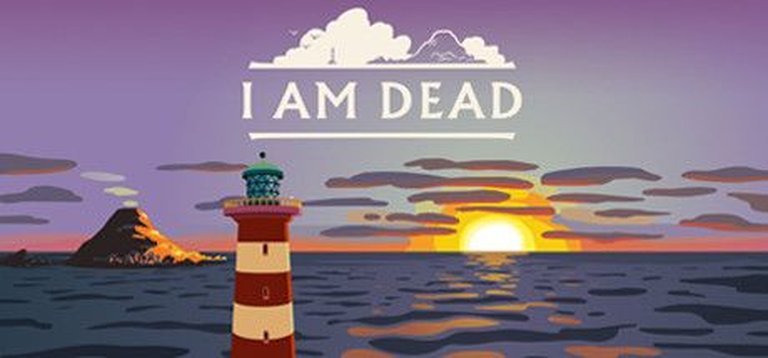
I Am Dead is a whimsical adventure puzzle game where players assume the role of Morris Lupton, a recently deceased museum curator who discovers his ghostly abilities to explore the afterlife. Set on the charming island of Shelmerston, Morris must uncover hidden memories and solve environmental puzzles by peering inside objects, all while seeking to prevent a looming volcanic disaster and reconnect with lost souls from his past.
Gameplay Videos
Where to Buy I Am Dead
PC
I Am Dead Free Download
I Am Dead Cracks & Fixes
I Am Dead Mods
I Am Dead Guides & Walkthroughs
I Am Dead Reviews & Reception
opencritic.com (80/100): I Am Dead is ranked in the 79th percentile of games scored on OpenCritic.
metacritic.com (79/100): I Am Dead has a very interesting story to tell, a colorful and varied environment in which to tell it, and a very cool way of going about the telling.
ign.com (80/100): Matching smart (if simple) puzzle thinking and intricate exploration, I Am Dead’s Shelmerston is well worth visiting.
steambase.io (82/100): I Am Dead has earned a Player Score of 82 / 100. This score is calculated from 437 total reviews which give it a rating of Very Positive.
I Am Dead: Review
Introduction
In an industry often preoccupied with power fantasies and hyper-competitive challenges, I Am Dead emerges as a meditative counterpoint—a game about death that pulses with life. Developed by Hollow Ponds and Richard Hogg, and published by Annapurna Interactive in 2020, this puzzle-adventure title invites players into the afterlife of Morris Lupton, a recently deceased museum curator navigating the quirks of ghosthood to save his beloved island home. With its disarmingly warm approach to mortality, inventive “slicing” mechanics, and lushly imagined world, I Am Dead carves a unique niche in gaming’s narrative canon. This review argues that while the gameplay may falter in depth, the game’s emotional resonance and artistic cohesion cement it as a modern indie gem.
Development History & Context
Studio Vision and Creative Lineage
Hollow Ponds (led by Ricky Haggett) and artist Richard Hogg—known for eccentric gems like Hohokum and Wilmot’s Warehouse—sought to create a “charming puzzle adventure about exploring the afterlife” (Annapurna Interactive). Released on October 8, 2020, for Windows and Switch, with subsequent ports to PlayStation and Xbox consoles, the game leveraged Annapurna’s reputation for curating narrative-driven indies (Outer Wilds, What Remains of Edith Finch). Built on Unreal Engine 4 with Wwise for sound, I Am Dead prioritized accessibility, using simplified controls to accommodate its contemplative pace.
Technological and Cultural Landscape
Amidst 2020’s pandemic-driven demand for escapism, the game offered a soothing, low-stakes experience. Its release coincided with other death-themed titles like Spiritfarer, yet distinguished itself through British whimsy rather than grief-heavy drama. Developers embraced “cozy game” design trends—linear progression, zero fail states—while subverting expectations by turning spectral existence into a playful, puzzle-solving lens.
Narrative & Thematic Deep Dive
Plot and Character Dynamics
Players embody Morris Lupton, who awakens in the afterlife on Shelmerston, a fictional North Atlantic island threatened by volcanic eruption. Teaming with his spectral dog Sparky, Morris must recruit a new “Custodian” spirit to pacify the volcano by locating six ghosts—each tied to mementos hidden across the island. The story unfolds through vignettes: memories shared by islanders reveal the ghosts’ lives, from Pete the yoga retreat host to Valerie, daughter of a famed painter.
Themes of Memory and Legacy
I Am Dead reframes death not as an end, but as a tapestry woven from communal memory. Morris’s “slicing” mechanic—peering inside objects to uncover histories—literalizes this theme, suggesting that even mundane items (a war medal, a lobster hidden in a toilet) carry emotional weight. The narrative gently critiques permanence; Shelmerston’s folklore (like Aggi, who first silenced the volcano) underscores how stories outlive individuals. Dialogue, voiced with West Country warmth by David Shaughnessy (Morris), balances levity and poignancy, avoiding cloying sentimentality.
Inclusivity and Eccentricity
The island’s denizens—fishfolk, sentient robots, bird-tourists—reflect a quietly radical inclusivity. Relationships span romantic, platonic, and familial bonds, celebrating LGBTQ+ and multicultural dynamics without tokenism. Shelmerston feels like a utopian microcosm, where diversity is mundane and cherished.
Gameplay Mechanics & Systems
Core Loop: Slicing and Discovery
The game’s signature mechanic allows Morris to zoom into objects, rotate them, and “slice” through layers to uncover secrets—a digital archaeology tool. Primary objectives involve finding ghostly mementos by:
1. Memory Puzzles: Holding a button to unscramble comic-like memory panels (a passive, atmosphere-building process).
2. Object Hunts: Locating items in environments using slicing, often within confined areas (e.g., a lighthouse or harbor).
Secondary Content and Limitations
- Grenkins: Collectible spirits hidden in objects, revealed by matching silhouette outlines.
- Mr. Whitstable’s Riddles: Optional, time-limited hunts for cryptic clues (e.g., “a fish out of water”), offering minimal rewards but intellectual satisfaction.
While critics praised slicing’s novelty (IGN likened it to “supernatural L.A. Noire“), repetition dulls its spark. With no fail states or inventory systems, gameplay prioritizes storytelling over challenge—a divisive choice. Nintendo Life noted it’s “a glorified hidden object game,” yet Adventure Gamers applauded its “gentle, empathetic” focus.
World-Building, Art & Sound
Visual Design: A Quaint Afterlife
Shelmerston blends Cornwall-inspired cliffs with fantastical touches: cottages stacked on ships, toast-obsessed fishfolk, and neon-lit yoga studios. Richard Hogg’s art merges cel-shaded 3D environments with 2D character portraits reminiscent of storybook illustrations. Vibrant colors (mossy greens, oceanic blues) and absurdist details (people with fruit heads) create a cohesive, living postcard.
Soundscape and Atmosphere
Composer Andre Foisy’s score—featuring piano, woodwinds, and acoustic guitar—evokes folktale serenity. Ambient sounds (crashing waves, gull cries) deepen immersion, while voice acting lends authenticity to Shelmerston’s eccentrics. Sparky’s barks and Morris’s wry commentary (“I’ve never seen a lobster in a toilet before!”) amplify the game’s dry humor.
Environmental Storytelling
Every object whispers history: museum exhibits detail island lore, while homes reveal personal quirks (a robot tending plants, a closet full of gloves). This density rewards curiosity, though few narrative payoffs exist beyond Grenkins and riddles.
Reception & Legacy
Critical and Commercial Response
I Am Dead earned a 78% Metacritic average (79% on Switch, 77% on PC), lauded for originality but critiqued for shallow systems. Positives dominated:
– Praise: “A pure joy… brilliant voice acting” (GamesRadar). “Tender reflection on ordinary lives” (Critical Hit).
– Critiques: “Repetitive gameplay loop” (Shacknews), “overly twee writing” (Nintendo Life).
Sales data is scarce, yet its Steam “Very Positive” rating (82/100 from 437 reviews) suggests cult appeal. Players cherished its brevity (4–6 hours) as a palette cleanser.
Industry Influence
The game’s legacy lies in normalizing death as a lens for joy, not despair—a precursor to titles like A Memoir Blue. Its slicing mechanic inspired indie devs to gamify introspection (e.g., Lushfoil Photography Sim). While not revolutionary, I Am Dead expanded Annapurna’s portfolio as a beacon of narrative experimentation.
Conclusion
I Am Dead is a paradox: a game about endings that feels vibrantly alive. Its gameplay may lack complexity, and its puzzles rarely tax the mind, but these are deliberate sacrifices to a larger vision. By weaving themes of memory, community, and acceptance into every sliceable object and whispered story, Hollow Ponds crafts an experience that lingers like a cherished reminiscence. For players seeking catharsis over challenge, Shelmerston’s shores offer a rare solace—a testament to the idea that we live on in the worlds we build and the people we touch. In video game history, I Am Dead will be remembered not for its mechanics, but for its heart: a gentle ghost story that celebrates life’s quiet wonders.
Final Verdict: A flawed but essential play—8/10.