
- Release Year: 2007
- Platforms: Windows
- Publisher: Michael O’Reilly (Kayin)
- Developer: Michael O’Reilly (Kayin)
- Genre: Action, Metroidvania, Platform
- Perspective: Side view
- Game Mode: Single-player
- Gameplay: Boss battles, Platforming, Precision jumping
- Setting: Comedy, Retro
- Average Score: 82/100
Description
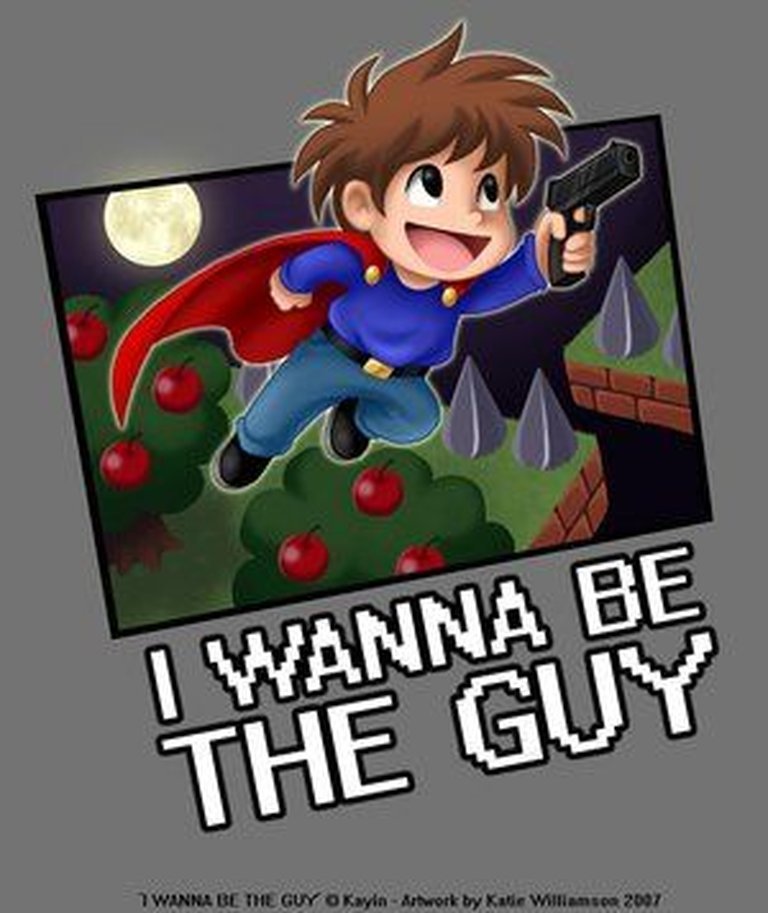
I Wanna Be The Guy: The Movie – The Game is a brutally difficult platformer that pays homage to classic ’80s games, featuring pixel-perfect challenges, unforgiving mechanics, and a mix of nostalgia and frustration. Players take on the role of ‘The Kid,’ navigating treacherous levels filled with unexpected hazards, precise jumps, and boss battles inspired by retro gaming icons. With four difficulty settings and minimal save points, the game tests endurance and memorization, blending humor, references, and punishing gameplay into a unique, love-it-or-hate-it experience.
I Wanna Be The Guy: The Movie – The Game Free Download
I Wanna Be The Guy: The Movie – The Game Mods
I Wanna Be The Guy: The Movie – The Game Guides & Walkthroughs
I Wanna Be The Guy: The Movie – The Game Reviews & Reception
mobygames.com (85/100): This game is almost entirely based on making references to classic games, so, naturally, I love it.
kayin.itch.io (90/100): A sardonic loveletter to the halcyon days of early American videogaming, packaged as a nail-rippingly difficult platform adventure.
imdb.com (73/100): Considered by many to be one of the hardest video games of all time.
boards.straightdope.com : It’s part of a new style of games referred to as platform hell. The whole point is to be unfairly difficult.
I Wanna Be The Guy: The Movie – The Game Cheats & Codes
PC
Hold the B key on your keyboard while you select the ‘Play Game’ option.
| Code | Effect |
|---|---|
| B | Skips immediately to Boss Rush Mode |
I Wanna Be The Guy: The Movie – The Game: A Sardonic Love Letter to the Halcyon Days of Early American Videogaming
Introduction
In the annals of video game history, few titles have left as indelible a mark on the collective psyche of gamers as I Wanna Be The Guy: The Movie – The Game (IWBTG). Released in 2007 by Michael “Kayin” O’Reilly, this freeware platformer is a paradox—a game that simultaneously frustrates and fascinates, a brutal test of skill wrapped in a layer of nostalgic homage. IWBTG is not just a game; it’s a cultural artifact, a testament to the power of indie development, and a cornerstone of the “masocore” genre. This review will delve deep into the game’s development history, narrative, gameplay mechanics, artistic design, reception, and legacy, exploring why it remains a touchstone for challenge-seeking gamers nearly two decades after its release.
Development History & Context
The Birth of a Masocore Masterpiece
IWBTG was born from the mind of Michael “Kayin” O’Reilly, a developer who sought to create a game that was both a tribute to and a parody of the classic NES platformers of the 1980s. O’Reilly was inspired by Jinsei Owata no Daibōken (The Big Adventure of Owata’s Life), a Japanese Flash game known for its punishing difficulty and absurd traps. Seeing an opportunity to refine and expand upon this concept, O’Reilly set out to craft a game that would push the boundaries of player endurance while paying homage to the games of his youth.
Technological Constraints and Creative Solutions
Developed using Multimedia Fusion 2 (a precursor to Clickteam Fusion), IWBTG was constrained by the limitations of its engine. The game’s physics, while functional, were far from polished, leading to controls that could feel unresponsive or finicky. However, O’Reilly embraced these limitations, incorporating them into the game’s design philosophy. The intentional jankiness of the controls became part of the challenge, a deliberate choice to evoke the sometimes-clunky mechanics of early NES titles.
The Gaming Landscape of 2007
The late 2000s were a pivotal time for indie gaming. The rise of digital distribution platforms like Steam and the growing popularity of freeware games created a fertile ground for experimental titles. IWBTG emerged alongside other challenging indie games like Cave Story and La-Mulana, but it stood out for its unapologetic difficulty and meta-commentary on gaming tropes. The game’s release in October 2007 was met with a mix of awe and disbelief, as players grappled with its relentless punishment and dark humor.
Narrative & Thematic Deep Dive
A Simple Plot with a Twist
IWBTG’s narrative is deliberately minimalistic, mirroring the straightforward plots of classic NES games. The player takes on the role of “The Kid,” a young protagonist on a quest to become “The Guy,” a title of supreme power. The game’s opening credits, presented in broken English, parody the poorly translated text of early Japanese-to-English localizations, setting the tone for the game’s satirical approach.
The journey culminates in a final confrontation with “The Guy,” who reveals himself to be The Kid’s father—a twist that parodies the dramatic revelations of games like Star Wars and The Legend of Zelda. The game’s ending is equally subversive, with The Kid achieving his goal only to be felled by a final, unavoidable trap, reinforcing the game’s theme of futility and absurdity.
Themes of Nostalgia and Subversion
IWBTG is a love letter to the golden age of gaming, but it’s also a critique. The game subverts the expectations of classic platformers, turning familiar tropes into deadly traps. Spikes, pits, and enemies are not just obstacles; they are instruments of sadistic humor, designed to catch players off guard and elicit both frustration and laughter. The game’s use of “Delicious Fruit” (often mistaken for apples) that fall unpredictably—upwards, downwards, or sideways—exemplifies this subversion, turning a harmless object into a lethal hazard.
The game’s humor is dark and self-aware, with references to classic games like Super Mario Bros., Mega Man, and Castlevania serving as both homage and parody. The final boss reveal, for instance, is a comedic twist that plays on the player’s expectations, delivering a punchline that is as unexpected as it is hilarious.
Gameplay Mechanics & Systems
A Trial by Fire
IWBTG’s gameplay is defined by its punishing difficulty. The game is a gauntlet of pixel-perfect jumps, unpredictable traps, and instant-death scenarios. The controls are simple—move left and right, jump with Shift, and shoot with Z—but mastering them is anything but. The Kid’s jumping mechanics are deliberately complex, with height and distance determined by how long the player holds the jump button. This system, while “very controllable” according to O’Reilly, is also prone to misinputs, adding another layer of challenge.
The Four Difficulty Levels
The game offers four difficulty settings—Medium, Hard, Very Hard, and Impossible—each differing only in the number of save points available. Medium mode, mockingly labeled “WUSS,” provides frequent checkpoints, while Impossible mode offers none, requiring players to complete the game in a single, flawless run. This design choice underscores the game’s masochistic appeal, catering to players who seek the ultimate test of skill and endurance.
Boss Battles and Platforming Sections
The game’s bosses are parodies of classic characters, from Mike Tyson to Mecha Birdo, each with their own twisted mechanics. However, the true challenge lies in the platforming sections, which are filled with traps that defy conventional logic. The “tunnel of death” in the Ghosts ‘n Goblins section, for example, is infamous for its relentless barrage of hazards, testing the player’s reflexes and memorization skills to their limits.
World-Building, Art & Sound
A Retro Aesthetic with a Twist
IWBTG’s visual design is a pastiche of 8-bit and 16-bit era games, with pixel art that evokes the NES and SNES. The game’s levels are filled with references to classic titles, from the spike-filled forests of Super Mario Bros. to the gothic castles of Castlevania. The art style is deliberately retro, but it’s also subversive, using familiar visuals to lull players into a false sense of security before springing a deadly trap.
Sound Design and Music
The game’s soundtrack is a mix of original compositions and tracks borrowed from classic games, creating a nostalgic atmosphere that contrasts with the game’s brutal difficulty. The use of chiptune music and sound effects from titles like Mega Man and Mario Paint enhances the game’s satirical tone, reinforcing its status as a tribute to the games of yesteryear.
Reception & Legacy
Critical and Commercial Reception
IWBTG was met with a polarized reception upon its release. Critics praised its innovative design and humorous subversion of gaming tropes, but many players found its difficulty overwhelming. The game’s average critic score of 85% reflects its niche appeal, with outlets like GameSkinny and Jeuxvideo.com lauding its challenge and creativity. Player reviews, however, were more mixed, with some embracing the game’s masochistic appeal while others dismissed it as unfair and frustrating.
The Birth of a Genre
IWBTG is widely regarded as a pioneer of the “masocore” genre, a term that describes games with intentionally punishing difficulty. The game’s influence can be seen in titles like Super Meat Boy and Celeste, which adopted its precision-based challenges and trial-and-error mechanics while refining them for a broader audience. IWBTG’s legacy extends beyond its gameplay, inspiring a vibrant community of fan games, speedruns, and modding projects.
Fan Games and Community
The game’s open-source release in 2011 sparked a wave of fan-created content, with thousands of “fangames” emerging in its wake. Titles like I Wanna Be the Boshy and I Wanna Be the Fangame expanded on IWBTG’s mechanics, creating new challenges and narratives. The community’s creativity has kept the game alive, with events like Games Done Quick featuring speedruns of IWBTG and its fangames.
Conclusion
IWBTG is a game that defies easy categorization. It is at once a tribute to classic platformers and a brutal deconstruction of their tropes. Its difficulty is legendary, its humor dark and self-aware, and its influence undeniable. For those who embrace its challenges, IWBTG offers a unique and rewarding experience, a test of skill and perseverance that few games can match. For others, it is a frustrating and unforgiving ordeal, a reminder of the fine line between challenge and punishment.
Ultimately, IWBTG’s place in video game history is secure. It is a landmark title that pushed the boundaries of indie development, inspired a genre, and fostered a community of dedicated players. Whether you love it or hate it, there’s no denying that I Wanna Be The Guy: The Movie – The Game is a masterpiece of masochistic design, a game that continues to challenge and entertain nearly two decades after its release.