
- Release Year: 2010
- Platforms: Windows
- Publisher: Akella, TGC – The Games Company GmbH
- Developer: Pix Rev srl
- Genre: Action
- Perspective: 3rd-person (Other)
- Game Mode: Single-player
- Setting: Austrian mountains, Demon world, Haunted house
- Average Score: 54/100
Description
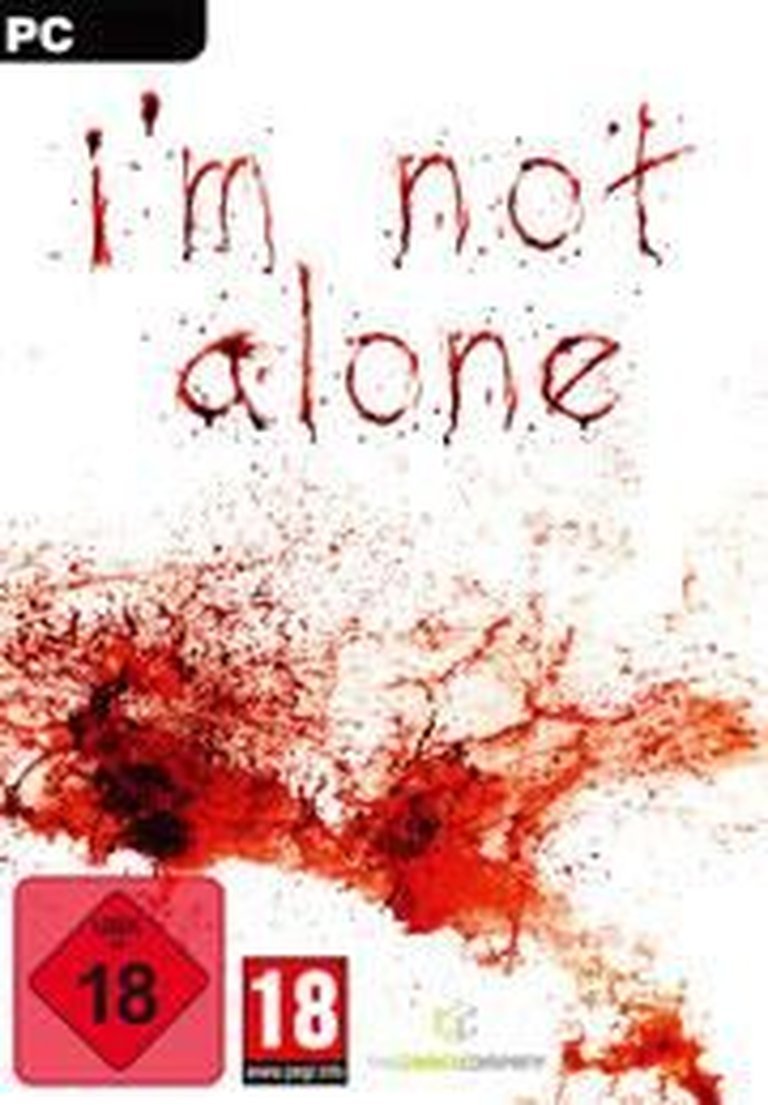
Players assume the role of a psychic exorcist dispatched to an isolated mansion in the Austrian mountains, where malevolent demons have invaded from another realm. Utilizing special abilities to shift between the real world and the demon-infested dimension, the protagonist must navigate terrifying environments, solve puzzles, and combat grotesque creatures to uncover the mansion’s dark secret and break the supernatural curse.
Gameplay Videos
Where to Buy I’m Not Alone
PC
I’m Not Alone Cracks & Fixes
I’m Not Alone Patches & Updates
I’m Not Alone Mods
I’m Not Alone: A Forgotten Horror Gem or a Cursed Relic?
Introduction
In the crowded landscape of early 2010s survival horror, I’m Not Alone emerged as a bold but ultimately flawed experiment. Developed by Italian studio Pix Rev and published by TGC – The Games Company, this third-person horror title promised a chilling experience rooted in psychological terror and supernatural exorcism. However, its rocky launch, technical shortcomings, and mixed reception relegated it to obscurity. Yet, beneath its glitchy surface, I’m Not Alone harbors an intriguing narrative and ambitious mechanics that warrant a deeper examination. This review dissects the game’s development, narrative depth, gameplay mechanics, and lasting legacy to determine whether it deserves a second chance or remains a cautionary tale of missed potential.
Development History & Context
Studio & Vision
I’m Not Alone was developed by Pix Rev, a relatively unknown Italian studio, and published by TGC – The Games Company, a German publisher with a history of niche titles. The game was built using the proprietary S2Engine, which aimed to deliver “realistic and highly detailed graphics” but ultimately fell short due to optimization issues. The developers drew inspiration from classic survival horror titles like Resident Evil 4 and Alone in the Dark, blending third-person action with psychological horror elements.
Technological Constraints & Gaming Landscape
Released in February 2010, I’m Not Alone arrived during a transitional period for survival horror. The genre was evolving from fixed-camera tank controls (Resident Evil) to over-the-shoulder action (Resident Evil 4). However, the game’s reliance on the S2Engine led to severe performance issues, including frame rate drops, clipping errors, and audio glitches. Critics and players alike criticized its unpolished state, with some reviews describing it as “unplayable” without patches.
The game’s PEGI 18 rating suggested a mature, atmospheric horror experience, but its technical flaws overshadowed its ambitions. Competing titles like Dead Space (2008) and Amnesia: The Dark Descent (2010) set higher standards for horror gameplay and immersion, making I’m Not Alone feel outdated by comparison.
Narrative & Thematic Deep Dive
Plot & Characters
The game follows Patrick Weber, an exorcist with psychic abilities who can perceive and interact with the demonic realm. Summoned to a haunted mansion in the Austrian Alps by an elderly woman named Caroline, Patrick must confront disfigured demons and unravel the mansion’s dark secrets. The narrative explores themes of isolation, madness, and the blurred line between reality and the supernatural.
Patrick’s backstory is particularly compelling: born with mystical scars resembling a pentacle and circle, he inherits his mother’s and grandmother’s psychic abilities. His grandmother becomes his mentor, teaching him to embrace his powers rather than fear them. This personal history adds depth to his character, making his struggle against evil feel more intimate.
Dialogue & Themes
The dialogue is heavy-handed at times, with exposition delivered through cutscenes and environmental storytelling. The game’s horror stems from its atmosphere rather than jump scares, relying on eerie sound design and shadowy environments to build tension. Themes of loneliness and existential dread are reinforced by Patrick’s psychic abilities, which constantly remind him that he is “never alone”—even in the face of unspeakable horrors.
Gameplay Mechanics & Systems
Core Gameplay Loop
I’m Not Alone blends action, exploration, and puzzle-solving, though its execution is inconsistent. The game features:
– Third-person combat with melee daggers and a crossbow.
– Psychic abilities allowing Patrick to switch between reality and the demonic realm.
– Environmental puzzles tied to supernatural mechanics.
Combat & Progression
Combat is clunky and unrefined, with no dodging mechanics and stiff animations. The crossbow requires standing still to fire, making encounters feel tedious rather than tense. Enemies range from basic demons to more formidable bosses, but the lack of variety in combat strategies limits engagement.
Progression is linear, with players navigating the mansion’s labyrinthine corridors while solving puzzles to unlock new areas. The game’s manual saving system adds frustration, as players risk losing progress due to sudden crashes or difficult encounters.
UI & Innovations
The UI is minimalistic, lacking a minimap or objective tracker, which forces players to rely on environmental cues. The psychic vision mechanic is innovative, allowing players to see hidden clues and interact with the demonic realm, but its implementation is unintuitive and buggy.
World-Building, Art & Sound
Setting & Atmosphere
The Austrian mansion serves as the game’s primary setting, with gothic architecture, flickering lights, and oppressive darkness creating a claustrophobic atmosphere. The demonic realm is visually distinct, with warped geometry and hellish imagery, though the low-resolution textures and poor lighting undermine its impact.
Sound Design & Music
The soundtrack is atmospheric, featuring classical piano melodies that contrast with the game’s horror elements. However, repetitive tracks and audio glitches detract from immersion. Sound effects, such as demonic growls and creaking doors, are well-placed but inconsistent due to technical issues.
Reception & Legacy
Critical & Commercial Reception
I’m Not Alone received overwhelmingly negative reviews upon release, with an average critic score of 42% (MobyGames) and a Metascore of 44 (Metacritic). Critics cited poor graphics, technical flaws, and uninspired gameplay as major drawbacks. However, some praised its atmosphere and puzzle design, calling it a “mixed but intriguing experience.”
Commercially, the game was a flop, with low sales and a brief digital release on Steam before being delisted. Its physical release in Germany and Russia was its only notable distribution, with planned UK and US releases canceled.
Influence & Evolution
Despite its failures, I’m Not Alone experimented with psychic horror mechanics that would later influence titles like Amnesia: The Dark Descent and Outlast. Its blend of action and psychological horror foreshadowed trends in indie horror games, though its execution was too flawed to leave a lasting mark.
Conclusion: A Cursed Relic or Underrated Experiment?
I’m Not Alone is a polarizing title—one that aspired to greatness but was hamstrung by technical limitations and poor optimization. Its narrative depth, atmospheric setting, and innovative psychic mechanics offer glimpses of potential, but clunky gameplay, bugs, and uninspired combat render it a frustrating experience.
In the grand tapestry of survival horror, I’m Not Alone remains a footnote rather than a landmark. While it may not be worth revisiting for casual players, horror enthusiasts and historians might find value in its ambitious (if flawed) vision. Ultimately, it stands as a cautionary tale of what could have been—a game that, like its protagonist, was never truly alone in its struggles, but ultimately failed to overcome them.
Final Verdict: 5/10 – A forgotten experiment with moments of brilliance, but overshadowed by its technical shortcomings.