
- Release Year: 2024
- Platforms: Windows
- Genre: Adventure
- Perspective: Diagonal-down
- Game Mode: Single-player
- Gameplay: Puzzle elements
- Setting: Detective, Mystery
- Average Score: 75/100
Description
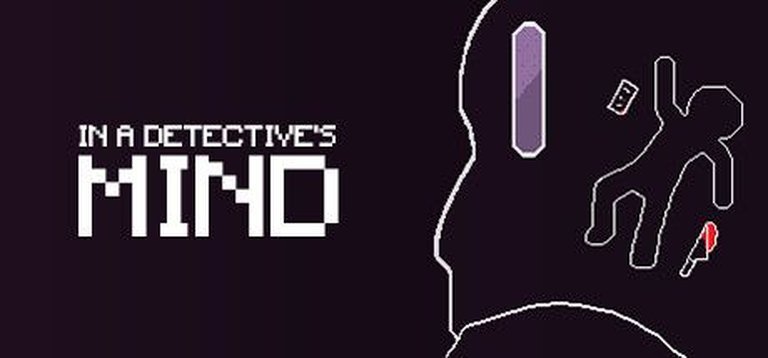
In a Detective’s Mind is a puzzle adventure game where players embody Andrew, a workaholic detective obsessed with uncovering the truth in bizarre cases involving family secrets, secret passageways, money troubles, and impossible deaths. As intricate puzzles unfold across a 2D scrolling mystery setting, the narrative delves into psychological territory, forcing Andrew to confront his past sins in a short, creepy experience with multiple endings and atmospheric surprises.
Gameplay Videos
Where to Buy In a Detective’s Mind
PC
In a Detective’s Mind Reviews & Reception
gameluster.com : The solutions were so elaborate and clever. It was extremely impressive.
In a Detective’s Mind: Review
Introduction
Imagine stepping into the shadowed psyche of a detective haunted by more than unsolved cases—family secrets, professional obsessions, and the gnawing guilt of wrongful accusations. In a Detective’s Mind, a compact indie gem released in 2024, hooks you with this premise, delivering a chilling blend of puzzle-solving and psychological introspection. Developed by Justo Dias as a labor of love for detective fiction, this freeware title punches above its weight in evoking the eerie tension of classic mysteries like those in Ace Attorney or LA Noire, but filtered through a surreal, introspective lens. Its legacy, though nascent, lies in proving that short-form indie adventures can deliver replayable depth and thematic punch without blockbuster budgets. My thesis: In a Detective’s Mind is a masterful microcosm of detective genre tropes elevated by psychological horror, marred only by accessibility hurdles, cementing its place as an essential free title for puzzle enthusiasts and narrative divers.
Development History & Context
In a Detective’s Mind emerged from the vibrant indie scene of 2024, spearheaded by Justo Dias—a solo developer (with credits suggesting a small team of two) operating under their own publishing banner. Built in GameMaker, a staple engine for accessible 2D indie titles like Undertale and Hotline Miami, the game reflects the era’s DIY ethos amid a post-pandemic indie boom. Released on March 1, 2024, via Steam as freeware/public domain (priced at $0.00), it bypassed traditional publishing gatekeepers, aligning with platforms like itch.io and Steam’s free-to-play model that democratized mystery games.
The Brazilian roots (evident in its alternate title Na Mente De Um Detetive and Portuguese-Brazil localization) infuse it with non-native English translation challenges, a common hurdle for global indies. Dias’s vision channels a “love for detective stories,” packing family secrets, impossible deaths, and secret passageways into a 1-2 hour experience—echoing the concise, replayable structure of mobile-era puzzles amid 2024’s landscape dominated by sprawling open-world epics like Dragon’s Dogma 2. Technological constraints? Minimal: GameMaker’s efficiency enabled pixel-perfect puzzles on modest hardware (Windows 10, 11.7 MB RAM). In a year of layoffs and AAA struggles, this title exemplifies indie resilience, prioritizing thematic intimacy over scope, much like contemporaries In Sound Mind or Keep in Mind (related via MobyGames).
Narrative & Thematic Deep Dive
At its core, In a Detective’s Mind subverts the procedural detective archetype. You embody Andrew, a workaholic sleuth who spurns vacations to chase truth, haunted by the mantra: one wrong accusation can “ruin lives and leave you wracked with guilt.” Two cases anchor the plot—bizarre deaths laced with money woes, hidden poisons, and lurking horrors—but they unravel as metaphors for Andrew’s psyche. Early linearity masks a twist: you’re in his mind, berated by a mysterious figure (revealed in a gasp-worthy pivot as a manifestation of past sins). Cases escalate from mansion intrigue (secret passages, family betrayals) to outright psychological horror, confronting work-life failures and “sins of the past.”
Themes probe obsession’s toll: Andrew’s dedication breeds isolation, mirroring real-world burnout. Multiple endings (three confirmed, reviewer Kate found two) hinge on deductions, emphasizing consequence—”your decisions matter, changing… your destiny.” Dialogue shines in Andrew’s tense exchanges with the figure, forming the “heart” despite translation glitches (awkward grammar turns chills into unintentional laughs, e.g., “God of Peace” quips). Replayability stems from branching accusations, tying cases via a unifying theme: guilt as an inescapable detective. It’s a journey “of no return,” blending Zero Escape-style mind games with Silent Hill‘s introspection, culminating in creepy surprises like wall-dwellers. Exhaustive in brevity, it distills detective noir into a therapy session, where truth-hunting exposes self-deception.
Plot Breakdown (Spoiler-Light)
- Case 1: Isaac’s locker puzzle introduces deduction via minimal clues—explore, hypothesize, accuse. Posters, everyday objects hide elaborate solutions.
- Case 2: Sinister house with banging SFX hints at “something in the walls,” escalating to horror.
- Climax: Psychological revelation reframes cases, unlocking endings via moral choices.
Gameplay Mechanics & Systems
This is pure point-and-click adventure with puzzle elements: diagonal-down perspective, 2D scrolling/fixed screens, direct control. Core loop? Investigate scenes (examine everything), gather clues, make deductions, solve environmental riddles. No combat or progression trees—character growth is narrative. Puzzles dazzle in complexity: lockers demand multi-step logic (players begged for hints in Steam forums, e.g., “Isaac’s locker” stumps many), poisons lurk improbably, passages require pixel-hunting.
Strengths:
– Innovation: Deductions feel detective-authentic—minimal details force mental piecing, rewarding “aha!” moments unequaled in elaboration.
– UI: Clean point-and-select, inventory for clues; multiple endings encourage replays.
Flaws:
– No Hint System: Intentional (mirrors Andrew’s fallibility), but frustrating—reviewers got “hopelessly stuck,” contradicting satisfaction theme.
– Interactables: Simplistic art obscures (e.g., wall posters blend in).
– Pacing: Short (one sitting), but pixel art demands scrutiny.
No major systems like leveling; it’s puzzle purity, flawed by opacity but elevated by cleverness. Steam discussions reveal community aids (e.g., locker solutions), fostering mod-like sharing.
World-Building, Art & Sound
Settings immerse via minimalism: two cases in moody locales (mansion, haunted house), building unease without sprawl. Atmosphere thrives on implication—”put together in your head what happened… with as little detail as possible.” Purple monochromatic pixel art evokes classics (StarTropics vibes per MobyGames), unsettling like In Sound Mind. Shadows obscure, mirroring psychological fog; simplistic furniture challenges discernment, enhancing tension.
Sound design amplifies: Creepy, repetitive tracks build dread (variety lacking, but effective); SFX excel—sinister bangs foreshadow horrors, poison hides with subtlety. No voice acting, but subtitles (English/Portuguese-Brazil) suffice, despite errors. Collectively, they forge a “short, creepy experience,” where visuals/audios hint at lurking psyches, contributing to horror-mystery fusion.
Reception & Legacy
Launch reception: Modest. MobyGames logs 60% (one critic: Gameluster’s 6/10—”great story/clever puzzles, held back by no hints/translation”). Steam: 83% positive (12 reviews), praising brevity/creepiness; unranked elsewhere due to newness. Forums buzz with stuck players (e.g., “Senha do armario”), no guides yet—community-driven.
Legacy? As a 2024 freebie, it’s niche but influential: epitomizes GameMaker indies blending genres (puzzle + psych horror), inspiring amid 2024’s Lorelei-style sleuthing boom. Influences future shorts (echoes Locked in Mind); preserves detective purity sans bloat. Reputation evolves positively—word-of-mouth for multiples endings/replays. Industry impact: Validates freeware for deep narratives, countering microtransaction fatigue.
Conclusion
In a Detective’s Mind distills detective mastery into 2 hours of cerebral chills: elaborate puzzles, gut-punch twists, and haunting themes of guilt/obsession shine, despite no-hints frustration and translation bumps. Justo Dias crafts a replayable triumph, proving indies thrive on passion. Verdict: Essential 8.5/10 freeware—history’s footnote for now, but a blueprint for psychological puzzles. Play it, get stuck, gasp, replay. Andrew’s mind awaits; enter if you dare.