
- Release Year: 2022
- Platforms: Android, iPad, iPhone, Macintosh, Nintendo Switch, Windows
- Publisher: Glitch Games Ltd
- Developer: Glitch Games Ltd
- Genre: Puzzle
- Perspective: 1st-person
- Game Mode: Single-player
- Setting: Fantasy
- Average Score: 89/100
Description
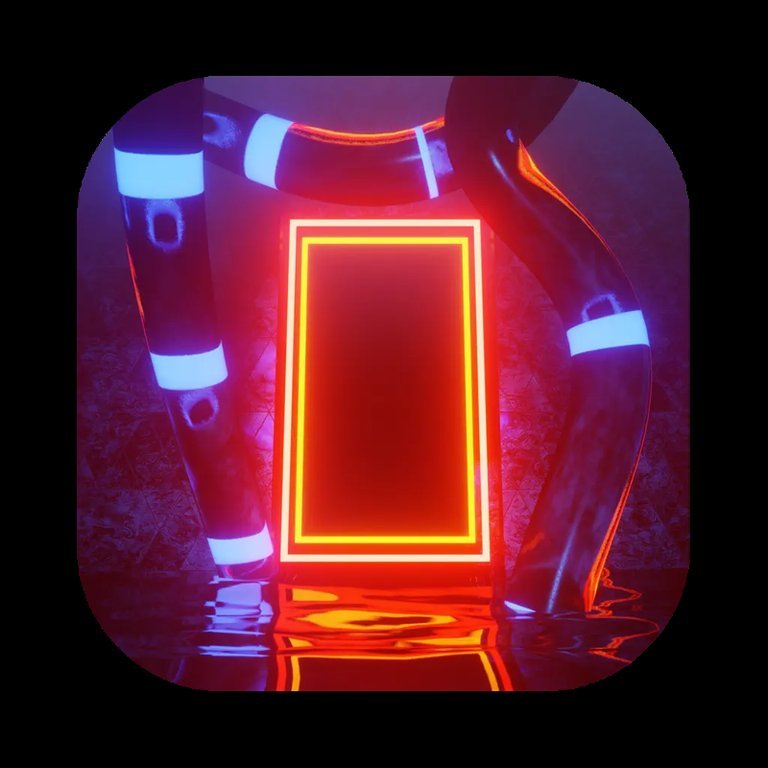
Incoherence is a first-person point-and-click puzzle adventure game set in a fantasy world, where players embody a detective unraveling a compelling mystery through intricate puzzles, exploration, and clue-gathering in immersive environments crafted by Glitch Games.
Where to Buy Incoherence
PC
Incoherence Guides & Walkthroughs
Incoherence Reviews & Reception
store.steampowered.com (89/100): 89% of the 19 user reviews for this game are positive.
Incoherence: Review
Introduction
Imagine awakening in a sterile, blindingly white room, surrounded by enigmatic objects that whisper fragments of a shattered life— a rope, a cast, a keyboard, a bag. This disorienting premise hooks you immediately in Incoherence, Glitch Games’ 2022 masterclass in fragmented mystery. As a returning protagonist from the studio’s cult-favorite Forever Lost trilogy, Jason Bethlam embodies the player’s amnesia-fueled dread, forcing us to reconstruct his psyche through puzzle-laden memory dives. Released amid a mobile gaming renaissance dominated by bite-sized escapism, Incoherence stands as the inaugural entry in Glitch’s Broken Dreams Collection, blending point-and-click tradition with innovative photographic sleuthing. My thesis: This compact gem elevates the escape-room genre into profound psychological introspection, proving that brevity breeds brilliance in an era of bloated blockbusters.
Development History & Context
Glitch Games Ltd, a “tiny independent studio” comprising just two UK developers, has carved a niche since 2012 with mobile-first adventure titles like the Forever Lost series, which garnered a devoted following for their atmospheric puzzles and narrative depth. Incoherence emerged in June 2022—iPhone on the 16th, followed by iPad, Android, Windows, Mac, and Nintendo Switch in 2023—leveraging middleware Solar2D (formerly Corona) for seamless cross-platform deployment. This era’s gaming landscape was flooded with free-to-play mobile fodder and sprawling open-world epics, but Glitch bucked trends by prioritizing premium, ad-free experiences ($3.99 across stores like Steam and iTunes).
The creators’ vision centered on “broken dreams,” manifesting as Jason’s fractured memories, a departure from Forever Lost‘s linear horror toward modular, replayable vignettes. Technological constraints of Solar2D enabled lightweight, touch-optimized interfaces—perfect for 1st-person point-and-select—but demanded clever asset optimization for vivid, illustrated scenes. Development echoed Glitch’s ethos: rapid iteration on brain-teasing puzzles, informed by fan feedback from prior titles. In a post-Among Us world craving quick, cerebral hits, Incoherence positioned itself as “shorter games at a faster pace,” signaling Glitch’s pivot from decade-long trilogies to serial dreamscapes.
Narrative & Thematic Deep Dive
Incoherence‘s plot unfolds non-linearly within Jason Bethlam’s mind, a meta-structure where the white hub room serves as a limbo for assembling “memory plates” into consoles, unlocking four vignette stages per act (four acts total). Objects trigger flashbacks: Stage 1 evokes childhood trauma (House: mother’s pills, DOB-coded PC; School: globetrotting register cryptograms); Stage 2 adulthood wanderlust (Arcade: LOGO-upside-down till; Cinema: missing letters; Airport: 33.4 lbs suitcase; Temple: symbol arithmetic); Stage 3 professional decay (Office: UV-printed vending patterns; Restaurant: condiment symbols; Bar: piano notes from maps; Alley: neon word anagrams); Stage 4 culminates in consequence (Court: hole-count codes; Hotel: evacuation light paths; Cell: doughnut-segment EKG; Underpass: drain-directed graffiti).
Characters flicker as archetypes: a pill-dependent mother (House PC hint: “18111961”), globe-trotting schoolmates (flashcards decoding A=15 for “Atom/Tom”), courtroom foes, and shadowy barflies. Dialogue is sparse—notes, signs, newsletters like “We Sew News”—but layered with Glitch’s trademark humor (e.g., “Glitch Lager” vending). Themes probe memory’s incoherence: puzzles demand photographing clues for later scrutiny, mirroring amnesia. Psychological motifs abound—lava-lit castle symbols evoking buried trauma, EKG-spike block towers symbolizing erratic heartbeats, bloodied underpass implying violence. Implied alcohol/drugs (pills, beer cans, spray cans) underscore self-destruction, culminating in escape as cathartic reconstruction. No voice acting, but immersive text and flashbacks weave a detective yarn rivaling Papers, Please‘ existential dread, questioning reality amid “secrets and questions.”
Plot Twists and Symbolism
Twists hinge on observation: Airport’s travelator photo reveals suitcase shapes; Cinema’s stuck keypad 2 forces contextual math (4-1-5-2-3 code). Symbolism peaks in Temple’s dragon color cycle (silver-to-purple loop) or Alley’s scales balancing “deer/pots/rats” words, evoking life’s precarious anagrams. The narrative’s genius lies in player agency—memory plate order alters progression, fostering replayability and thematic chaos.
Gameplay Mechanics & Systems
Core loop: Hub navigation → Object interaction → Memory plate sequencing → Vignette puzzles → Glowing key escape → Repeat escalation. Point-and-click shines via the Glitch Camera, a UI staple: snap screens, zoom/rotate/annotate (draw notes directly), indispensable for multi-step riddles like School’s fusebox (register+flashcards: A=15/Tom, D=4/Daisy). No traditional inventory; items auto-use or pocket seamlessly.
Puzzles deconstruct brilliantly:
- Observation/Logic: Thermostat symbols (pentagon-square-diamond-circle-triangle), star-ring counts (5-8-7).
- Pattern Matching: Arcade light sequences, Office bar/pie charts → overtime/clocks/vending.
- Combinatorial: 33.4 lbs suitcase (key 0.15 + banana 0.25 + bird 5 + skull 8 = 33.4 post-20 lb case); Temple symbols (panda=8, fan=4, noodles=3 → 843 chest).
- Meta/Environmental: Cinema keypads (noting stuck #2), Hotel lift-scroll numbers (5354412541 from “bad decade” note).
Flaws: Occasional obtuseness (e.g., “Exposure x5” gong hit), minor bugs (Steam forums: gavel vanish, photo deletion memory hog). UI excels—touch/mouse-friendly, full hint system (progressive spoilers), 8 save slots, auto-save. Innovative plate system encourages experimentation; no combat/progression beyond keys, pure puzzle purity. Playtime: 3-5 hours, replayable for alternate paths.
Innovative vs. Flawed Systems
Glitch Camera innovates clue-tracking, predating modern annotators. Cryptograms/registers demand notepad synergy, but hints mitigate frustration. Balance tilts fair—logical escalation from simple codes to interwoven multi-stage feats.
World-Building, Art & Sound
The hub’s stark white void contrasts vignette diversity: cluttered House cabinets, volcanic School lab, rune-lit Castle alcoves, beeping Hospital wards—each a slideshow tableau in illustrated realism. Art direction: Vivid, hand-crafted scenes (Procreate-esque precision for grids), fantasy-tinged (glowing lava, golden shapes) yet grounded in detective grit. Atmosphere builds unease via isolation, blood hints (underpass), neon alleys.
Sound design immerses: “Beautiful soundtrack and immersive sound effects” (Steam)—eerie hums, mechanical clicks, thematic stings (gong mallet, EKG beeps). No VO, but subtle audio cues guide (travelator whir, dartboard positions). Collectively, they forge psychological tension, hub silence amplifying vignette chaos, evoking The Room‘s tactile dread.
Reception & Legacy
Launch reception glowed modestly: TouchArcade’s “Game of the Week” lauded “clever puzzles… entertaining narrative twists,” praising Glitch Camera as “required feature.” Steam: 89% positive (19 reviews), curators endorse; MobyGames: 5/5 (1 player). Commercial: Steady $3.99 sales, Switch 2023 port broadened reach. Critiques: Sparse (Metacritic tbd), some Steam bugs (cinema keypads, photo persistence).
Legacy evolves: Cemented Glitch’s cult status, influencing short-form puzzlers (e.g., TUNIC, Stray vignettes). Prefigured Broken Dreams sequels, inspiring indie escapes amid 2022’s Elden Ring giants. Academic nods (MobyGames citations) affirm preservation value; forums/walkthroughs sustain community. Not revolutionary like Portal, but a historiographic bridge from mobile escapes to narrative innovation.
Conclusion
Incoherence distills point-and-click essence into a taut, mind-bending mosaic, where puzzles aren’t hurdles but memory’s glue. Glitch Games’ two-person triumph—humorous, hint-smart, camera-genius—transcends its brevity, demanding active reconstruction over passive consumption. Flaws (occasional opacity, bugs) pale against thematic depth and satisfaction. Verdict: 9/10—an essential for puzzle aficionados, securing mid-tier immortality in adventure history alongside The Room series. Play it; piece Jason’s psyche, reclaim your own.