
- Release Year: 2015
- Platforms: Windows
- Publisher: Blob Games Studio
- Developer: Blob Games Studio
- Genre: Action
- Perspective: Side view
- Game Mode: Co-op
- Gameplay: Beat ’em up, brawler
- Average Score: 41/100
Description
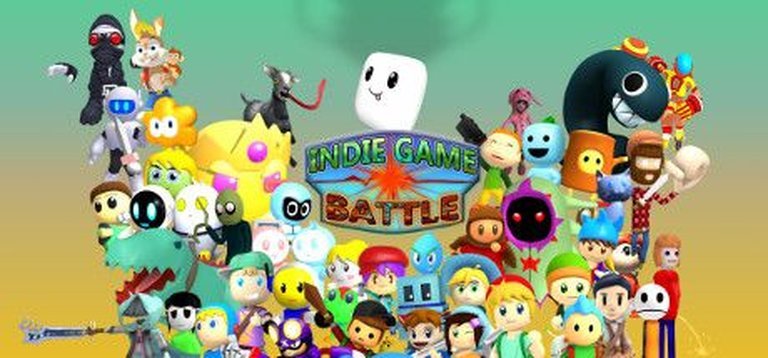
Indie Game Battle is a side-view beat ’em up game released in 2015 for Windows. Developed by Blob Games Studio, the game features fast-paced, action-packed gameplay where players battle through various levels, utilizing a mix of combat moves and strategies. The game supports both single-player and multiplayer modes, allowing players to enjoy the experience solo or with friends in split-screen action.
Indie Game Battle Free Download
Indie Game Battle Patches & Updates
Indie Game Battle Guides & Walkthroughs
Indie Game Battle Reviews & Reception
steambase.io (41/100): Indie Game Battle has earned a Player Score of 41 / 100.
Indie Game Battle: Review
A Love Letter to Indie Crossover Culture, Flawed Yet Charming
Introduction
In the mid-2010s, as indie game culture surged into the mainstream, Indie Game Battle (2015) emerged as a grassroots love letter to the burgeoning scene. Developed by Blob Games Studio, this multiplayer brawler aimed to unite indie icons in a Super Smash Bros.-style showdown, celebrating the DIY ethos of small developers. While its ambition outweighed its polish, Indie Game Battle remains a fascinating artifact—a collaborative experiment that mirrored the camaraderie and chaos of indie development itself. This review dissects its legacy, from its scrappy origins to its niche cult status, asking: Does its heart outweigh its shortcomings?
Development History & Context
Studio Vision & Constraints
Blob Games Studio, a little-known team operating in the shadows of the Unity Engine boom, sought to capitalize on the indie crossover trend. Released on October 29, 2015, Indie Game Battle arrived during a watershed year for indie games (Undertale, Rocket League) and amid a wave of nostalgia for mascot fighters. However, limited resources and a shoestring budget stifled its potential. Unlike Super Smash Bros., which had Nintendo’s backing, Blob Games relied on voluntary collaborations with indie creators to license characters—a process that led to an uneven roster.
The 2015 Landscape
2015 was a year of experimentation. Platforms like Steam and itch.io democratized game distribution, while crowdfunding enabled risky projects. Indie Game Battle mirrored this spirit, pooling assets from disparate sources. However, it faced stiff competition from polished titles like Rivals of Aether and Brawlhalla, which offered smoother gameplay and clearer identity.
Narrative & Thematic Deep Dive
No Plot, All Personality
Indie Game Battle foregoes a traditional narrative, opting instead for a thematic celebration of indie culture. Its “story” is its roster: a chaotic ensemble of characters from games like OFF, Dust: An Elysian Tail, OneShot, and even Newgrounds’ Pico. This lack of cohesion is both a weakness and a charm—a reflection of the indie scene’s decentralized creativity.
Themes of Collaboration
The game’s ethos echoes the collaborative spirit of indie development. By featuring characters like Salad Fingers (a surreal web series) alongside Hank from Madness Combat, it blurs the line between games and broader internet culture. However, this inclusivity risks diluting its identity, leaving it feeling more like a mod than a curated experience.
Gameplay Mechanics & Systems
Core Loop: Janky Joy
As a 2D side-scrolling brawler, Indie Game Battle apes Smash Bros.’ percentage-based knockouts but stumbles in execution. Movesets vary wildly in quality—some characters, like The Batter (OFF), feel finely tuned, while others, like McPixel, are glorified joke entries. The physics skew floaty, and hit detection inconsistencies frustrate competitive play.
Innovations & Flaws
– Cross-Platform Cameos: The roster’s diversity is impressive, featuring over 50 characters from obscure indie titles to cult classics.
– Local Multiplayer Focus: Its split-screen couch combat shines in casual settings, embracing the indie scene’s communal roots.
– Technical Shortcomings: Poor netcode, limited stages, and a lack of balance patches post-launch hampered longevity.
UI/UX: Functional but Forgettable
Menus are utilitarian, with minimal art direction. Character selection feels cluttered, and the absence of move lists or tutorials alienates newcomers.
World-Building, Art & Sound
Visual Hodgepodge
The art style is a patchwork quilt: pixel-art characters clash with hand-drawn sprites and 3D models, reflecting the eclectic sources. While this mirrors indie diversity, it sacrifices visual cohesion. Stages, like the VVVVVV grid or I Wanna Be the Guy’s obstacle course, cleverly reference source material but lack interactive depth.
Sound Design: A Mixtape of Memories
The soundtrack stitches together chiptune, synthwave, and ambient tracks from featured games. While nostalgic, the audio mixing is uneven—some tracks overwhelm others, and the lack of original compositions feels like a missed opportunity.
Reception & Legacy
Silent Launch, Quiet Impact
Indie Game Battle garnered scant critical attention at release. No major reviews were logged on MobyGames, and its Steam page languished without a “MobyScore.” Commercial performance remains unclear, though its niche appeal sustained a small Discord community.
Influence on Indie Crossovers
While not a trailblazer, Indie Game Battle presaged trends like Fraymakers (2022), a more polished indie fighter. Its DIY approach also inspired modding communities to create crossover projects, proving the appeal of collaborative celebration.
Conclusion
Indie Game Battle is a flawed but earnest tribute to indie gaming’s golden age. Its janky mechanics and visual disarray undermine its potential, yet its heart—its unapologetic celebration of indie culture—resonates. For players seeking a chaotic, nostalgia-fueled party game, it offers fleeting joy. As a historical artifact, it encapsulates the DIY spirit of 2015’s indie scene: ambitious, messy, and brimming with love.
Final Verdict: A charming curio for indie enthusiasts, but a missed opportunity for broader appeal.
Score: ★★☆☆☆ (2/5) – A passion project that needed more polish and vision.