
- Release Year: 2016
- Platforms: Macintosh, Windows
- Publisher: Toge Productions
- Developer: Toge Productions
- Genre: Action, Strategy, Tactics
- Perspective: Top-down
- Game Mode: Single-player
- Gameplay: Casual, Real-time strategy, Survival horror, Zombie
- Setting: Post-apocalyptic, Zombie Apocalypse
- Average Score: 77/100
Description
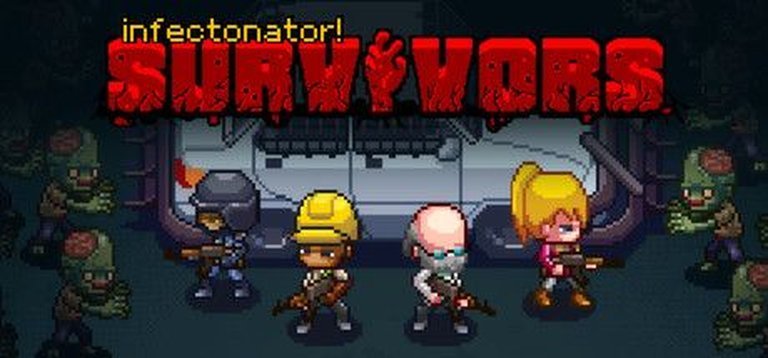
Infectonator! Survivors is a top-down, real-time strategy survival game set in a zombie apocalypse, where players lead a group of survivors through a world overrun by the undead. Combining RTS, Tower Defense, Roguelike, and Management-Simulation elements, the game features randomized permadeath gameplay that requires strategic decision-making, resource management, and tactical positioning to survive against relentless zombie hordes. With vibrant visuals and an emphasis on both action and strategy, players must guide their survivors to safety, learning from each failure and adapting to the ever-changing dangers of the apocalypse.
Gameplay Videos
Where to Buy Infectonator! Survivors
PC
Infectonator! Survivors Cracks & Fixes
Infectonator! Survivors Mods
Infectonator! Survivors Guides & Walkthroughs
Infectonator! Survivors Reviews & Reception
metacritic.com (90/100): A great hidden gem. Love it for every single moment of this game. The art is awesome
steamcommunity.com : its a shame this was abandoned 2 years after it became available. Such a shame. Yall make a unique concept game and then dont treat it right.
3rd-strike.com (75/100): Infectonator: Survivors isn’t out to innovate or shock you with new unexplored paths in the zombie apocalypse, but it just wants you to sit back and think on how you would go about surviving.
Infectonator! Survivors Cheats & Codes
PC
Press the key J
| Code | Effect |
|---|---|
| J | toggle endless health |
Infectonator! Survivors: Review
Introduction
In the crowded landscape of zombie survival games, Infectonator! Survivors stands as a unique hybrid beast, blending RTS, tower defense, roguelike, and management-simulation mechanics into a permadeath crucible. Released by Indonesian studio Toge Productions in 2016 after a lengthy Early Access phase, this top-down pixel art gem distills the apocalypse into a tense, resource-driven struggle for survival. Unlike its predecessors in the Infectonator series—flash-based zombie infection simulators—Survivors pivots toward emergent storytelling and brutal consequence. It’s a game where every bullet, every survivor, and every decision carries weight, set against a backdrop of randomized cities and relentless hordes. This review dissects Infectonator! Survivors as both a product of its era and a timeless testament to genre fusion, arguing that its greatest strength lies in transforming the zombie apocalypse from a narrative trope into a systemic, unforgiving experience.
Development History & Context
Toge Productions, an Indonesian outfit whose name whimsically references bean sprouts (“toge” in Bahasa Indonesia), crafted Infectonator! Survivors as a departure from their signature flash-game roots. Their prior titles—Infectonator 1/2/3, Day 2 Die, Necronator—were bite-sized browser-based delights focused on viral spread and arcade action. Survivors, however, emerged from an alpha demo released on Armor Games in December 2013, leveraging Flash’s constraints to prototype a far more ambitious vision. The developer’s stated goal was to merge “Left 4 Dead with a retro make-over” and roguelike mechanics, a response to burgeoning trends in survival and strategy gaming. By 2014, the game entered Steam Early Access, refining its systems through community feedback. The full release on August 8, 2016, arrived as a polished Windows/Mac title, priced at $9.99.
Technologically, the game’s Flash origins informed its accessible, low-poly aesthetic and lightweight performance, requiring minimal hardware (a 2.33 GHz CPU and 512 MB RAM). This made it accessible during an era when survival games like RimWorld and Darkest Dungeon demanded heavier systems. Culturally, Survivors capitalized on the early-2016 surge of indie roguelites and zombie fatigue, offering a fresh, mechanically dense alternative to AAA zombie shooters. Its Indonesian roots also added to its charm, positioning it as a global indie darling.
Narrative & Thematic Deep Dive
Survivors eschews traditional storytelling in favor of emergent narratives forged through gameplay. The overarching premise is simple: lead a team of survivors through a zombie-ravaged city, scavenge parts to repair an escape vehicle, and flee before a nuclear bomb obliterates the area. Yet, the narrative depth lies in the process, not the plot. Each campaign unfolds as a series of harrowing, player-directed tragedies. Characters die permanently; missions fail; moral choices—rescue a wounded stranger or leave them to their fate—haunt runs. The game’s dialogue, delivered via text during exploration and shelter events, reinforces this grim tone. Players encounter dying survivors clutching photos of loved ones, bitten mercenaries begging for mercy, or radio transmissions hinting at broader societal collapse. These vignettes are sparse but potent, transforming permadeath from a mechanic into an emotional gut punch.
The core theme is resilience through failure. The game’s tagline—“When tragedy happens, it is up to you: will you give up? Or will you bounce back stronger?”—encapsulates this. Unlike many roguelikes that celebrate skill, Survivors rewards adaptation. Losing a key survivor isn’t just a setback; it’s a lesson in resource allocation, risk assessment, and emotional detachment. The Left 4 Dead team (Bill, Louis, Francis, Zoey) serves as both a meta-nod and a thematic contrast: their established camaraderie clashes with the game’s brutal permadeath, forcing players to rebuild bonds anew. Even the humor—like finding a “Lightsaber” crafted from duct tape—underscores the absurdity of survival in a broken world.
Gameplay Mechanics & Systems
Survivors’ genius lies in its seamless fusion of four distinct genres:
-
RTS & Tower Defense: Players command up to eight survivors in real-time, positioning them to auto-attack zombies within weapon range. During “Scout” missions (wave-defense battles), players deploy turrets, barricades, and traps, managing ammo and upgrades. The tension escalates as threat levels rise, demanding tactical retreats or aggressive pushes.
-
Roguelike Elements: Maps are procedurally generated, with districts like police stations, hospitals, and parks offering unique layouts, loot, and hazards (e.g., acidic goo puddles). Exploration consumes “stamina,” and random events—abandoned cars, suspicious buildings, survivor distress calls—force split-second decisions. Failure is permanent: dead survivors never return, and runs end in nuclear annihilation.
-
Management-Simulation: The “Shelter” HQ is the game’s heartbeat. Survivors craft weapons (via a gambling-like “bench” system), grow food, research upgrades, and manage fatigue. Overworking a survivor reduces their movement speed in combat, adding a layer of resource management.
-
Character Progression: Four initial teams (e.g., “The Survivors,” “The Good & The Bad”) unlock via “Points” earned from runs. Each survivor has unique perks: Sydney (reporter) evades attacks; the Police officer reloads while moving. Progression is meta-level, with points unlocking new teams and persistent upgrades.
Innovative systems include the fatigue mechanic (punishing poor resource planning) and weapon tiers (e.g., a basic pistol vs. a Barrett .50 Cal). Yet, flaws emerge: the “green goo” acid puddles are notorious for blocking paths and causing cheap damage, while some events (like rescuing survivors) are bugged, frustrating completionist runs.
World-Building, Art & Sound
The game’s world is a vibrant, pixelated apocalypse. Cities are labyrinthine mazes of shattered storefronts, hospital corridors, and graveyards, each biome boasting distinct loot (e.g., police stations spawn weapon parts; pharmacies yield medkits). The art style is a standout: crisp, colorful 2D sprites contrast with the grim setting, making zombies and survivors instantly recognizable (e.g., clowns in polka-dot shirts, soldiers in riot gear). Environments are rich in detail—dead bodies spark with loot, cars explode if mishandled—yet remain functionally clear for tactical positioning.
Sound design is understated. The soundtrack features mellow, mystical melodies that underscore the horror with calm detachment, while sound effects (gunshots, zombie groans) are serviceable but unremarkable. The absence of voice acting is a missed opportunity, though text-based events (like a bitten survivor’s suicide note) compensate with raw, written storytelling. The overall atmosphere is one of quiet desperation, amplified by the game’s top-down perspective, which turns sprawling cities into claustrophobic death traps.
Reception & Legacy
At launch, Survivors garnered a modest 75% critic score (based on one review from 3rd Strike, which praised its “fun” gameplay but lamented the lack of voice acting). Player reception on Steam was mixed, with a 67/100 “Mixed” rating on Steambase. While some lauded its addictive loops and replayability, others criticized its steep learning curve and occasional bugs (e.g., unresponsive quest NPCs). Over time, however, Survivors evolved into a cult classic. The community created extensive guides (e.g., Laguna Queen’s “Advanced Campaign Guide”) and mods, preserving its legacy. Its influence is subtle but profound: it popularized the “survivors” subgenre, paving the way for titles like Vampire Survivors (though that game streamlined the formula into an auto-shooter). Toge Productions’ focus on hybrid mechanics also resonated in indie circles, proving that ambitious genre fusions could thrive outside AAA constraints.
Conclusion
Infectonator! Survivors is a flawed masterpiece, a testament to the power of systems-driven storytelling. It succeeds not through narrative grandeur or technical innovation, but through its ruthless synergy of mechanics: the adrenaline of RTS combat, the dread of permadeath, and the satisfaction of management triumph. Its pixel art and roguelike design ensure runs remain fresh, while thematic weight—loss, resilience, the cost of survival—elevates it beyond a mere zombie game. Yet, its occasional imbalance (e.g., acid goo) and lack of polish prevent it from being a flawless classic.
Ultimately, Survivors earns its place in video game history as a daring indie experiment that turned the apocalypse into a classroom for hard choices. It’s a game where failure isn’t an end—it’s a lesson. For players seeking a challenge that rewards grit over glory, this pixelated Indonesian gem remains a haunting, unforgettable journey. Verdict: 8.5/10—A vital, if imperfect, entry in the survival canon.