
- Release Year: 2017
- Platforms: PlayStation 4, Windows Apps, Windows, Xbox Cloud Gaming, Xbox One
- Publisher: Warner Bros. Interactive Entertainment Inc., WB Games Inc.
- Developer: NetherRealm Studios
- Genre: Action, Fighting
- Perspective: Side view
- Game Mode: Online PVP, Single-player
- Gameplay: Character customization, Environmental Attacks, Fighting, Gear System, Multiverse Mode
- Setting: DC Universe, Superhero
- Average Score: 84/100
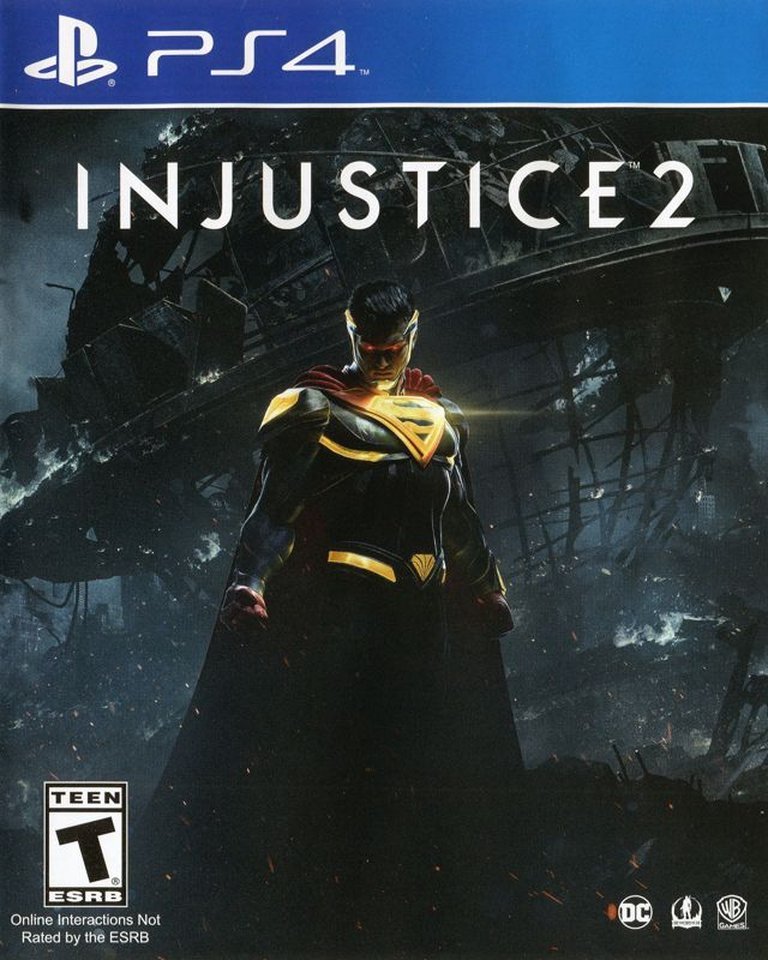
Description
Injustice 2 is a one-on-one fighting game set in a DC Universe where Superman has turned tyrant after being manipulated into destroying Metropolis. Five years later, Batman and his allies struggle to restore order while facing new threats, including the rising power of The Society. The game features a refined combat system, a Gear System for customizing characters, and a roster of iconic DC heroes and villains, alongside guest characters from other franchises. Players can engage in single-player story and arcade modes, online battles, or the Multiverse mode, which offers challenges across parallel DC universes.
Gameplay Videos
Where to Buy Injustice 2
PC
Injustice 2 Free Download
Injustice 2 Cracks & Fixes
Injustice 2 Mods
Injustice 2 Guides & Walkthroughs
Injustice 2 Reviews & Reception
ign.com : Faster, deeper action and a wealth of content make this fighting game feel super.
metacritic.com (87/100): Excellent game and must-have for any fan of this genre.
imdb.com (80/100): Good Improvement Over The First
opencritic.com (87/100): A great port of a brilliant fighter with a staggering amount of content beyond multiplayer brawling.
Injustice 2: A Masterclass in Superhero Fighting Games
Introduction
Injustice 2 is not just a sequel—it is a refinement, an evolution, and a bold statement in the fighting game genre. Released in 2017 by NetherRealm Studios, the game builds upon the foundation laid by its predecessor, Injustice: Gods Among Us, while introducing groundbreaking mechanics, a deeper narrative, and an unparalleled level of customization. This review will dissect every facet of Injustice 2, from its development history to its lasting legacy, to understand why it remains one of the most celebrated fighting games of its generation.
Development History & Context
The Studio and Vision
NetherRealm Studios, under the creative direction of Ed Boon, has long been synonymous with the fighting game genre, thanks to its work on the Mortal Kombat series. Following the success of Injustice: Gods Among Us (2013), the studio sought to push the boundaries of what a superhero fighting game could achieve. The vision for Injustice 2 was clear: to create a game that was not only mechanically superior but also narratively rich and visually stunning.
The development team drew inspiration from modern multiplayer shooters, incorporating elements like character customization, loot systems, and progression mechanics—features rarely seen in traditional fighting games. This ambition was fueled by the trust Warner Bros. and DC Comics placed in NetherRealm after the critical and commercial success of the first Injustice game.
Technological Constraints and Innovations
Injustice 2 was built using the Unreal Engine 3, the same engine that powered Mortal Kombat X. While this engine was not the most cutting-edge at the time, NetherRealm’s expertise allowed them to squeeze every ounce of performance from it, delivering a game that was both visually impressive and mechanically fluid.
One of the most significant innovations was the introduction of the Gear System, a loot-based progression mechanic that allowed players to customize their characters’ appearances and abilities. This system was designed to cater to both casual and hardcore players, offering cosmetic customization for the former and stat-based enhancements for the latter. The Gear System was a risky gamble—fighting games traditionally rely on balanced, static character builds—but NetherRealm’s implementation ensured that competitive play remained fair by allowing players to disable gear stats in online matches.
The Gaming Landscape in 2017
2017 was a pivotal year for fighting games. Street Fighter V had been out for over a year, Tekken 7 was released just a month before Injustice 2, and Marvel vs. Capcom: Infinite was on the horizon. The competition was fierce, but Injustice 2 carved out its niche by focusing on accessibility, single-player content, and a deep, cinematic narrative—elements that set it apart from its peers.
Narrative & Thematic Deep Dive
Plot Summary
Injustice 2 picks up five years after the fall of Superman’s tyrannical regime. Batman and his insurgency are attempting to restore order to a fractured world, but their efforts are complicated by the emergence of The Society, a villainous faction led by Gorilla Grodd, and the arrival of Brainiac, a cosmic threat who seeks to shrink and collect Earth for his intergalactic trophy case.
The story is divided into two acts:
1. The Society’s Rise: Batman’s team—comprising Black Canary, Green Arrow, Harley Quinn, and others—must dismantle The Society while dealing with the remnants of Superman’s regime.
2. Brainiac’s Invasion: The heroes and villains are forced into an uneasy alliance to combat Brainiac, leading to a climactic battle that determines the fate of Earth.
The narrative culminates in a player-choice ending, where the player decides whether Batman or Superman emerges victorious in their final confrontation. This branching ending adds replayability and emotional weight to the story, as it forces players to grapple with the moral complexities of both characters.
Themes and Character Arcs
Injustice 2 explores several profound themes:
– Redemption and Atonement: Characters like Harley Quinn and Black Adam struggle with their past actions, seeking redemption in a world that has been irreparably changed.
– The Cost of Power: Superman’s descent into tyranny in the first game serves as a cautionary tale about unchecked power, a theme that is further explored through Brainiac’s godlike ambitions.
– Unity vs. Division: The game examines whether former enemies can unite against a greater threat, and what happens when that unity fractures.
The character arcs are particularly compelling:
– Batman: His leadership is tested as he balances his ideals with the necessity of pragmatism. His relationship with Superman is the emotional core of the story.
– Supergirl: As a newcomer to this universe, she grapples with the legacy of her cousin, Superman, and the weight of the House of El.
– Brainiac: A cold, calculating villain whose motives are rooted in preservation rather than destruction, making him a unique antagonist in the DC pantheon.
Dialogue and Voice Acting
The voice acting in Injustice 2 is superb, with standout performances from:
– Kevin Conroy as Batman (reprising his iconic role from Batman: The Animated Series).
– George Newbern as Superman.
– Susan Eisenberg as Wonder Woman.
– Phil LaMarr as Green Lantern.
The dialogue is sharp and often emotionally charged, particularly in scenes where characters confront their past actions or ideological differences. The writing strikes a balance between comic book grandeur and grounded, personal drama.
Gameplay Mechanics & Systems
Core Combat
Injustice 2 retains the core mechanics of its predecessor while refining them to near-perfection. The combat is fast-paced, fluid, and accessible, making it easy for newcomers to pick up while offering depth for veteran players.
Key mechanics include:
– Environmental Interactions: Players can use the environment to their advantage, throwing opponents into walls, cars, or other hazards. Unlike the first game, many of these interactions can now be blocked or dodged, adding a layer of strategy.
– Character Traits: Each character has a unique trait that enhances their playstyle (e.g., Superman’s heat vision, Batman’s batarangs).
– Super Moves: Cinematic, high-damage finishing moves that are as visually spectacular as they are devastating.
– Meter Management: The super meter can be used for enhanced special moves, breaking combos, or performing evasive maneuvers like the forward roll or air recovery.
The Gear System
The Gear System is Injustice 2’s most innovative feature, blending RPG-like progression with traditional fighting game mechanics. Players earn gear—helmet, chestplate, gauntlets, greaves, and accessories—by completing matches, opening Mother Boxes (loot crates), or purchasing them with in-game currency.
Each piece of gear provides:
– Stat Boosts: Strength, defense, health, and ability.
– Visual Customization: Players can mix and match gear to create unique looks for their characters.
– Augments: Rare gear can include additional perks, such as altered move effects or bonus experience.
The Gear System is controversial but brilliant. It encourages players to engage with the game’s single-player content while allowing for deep personalization. However, the randomness of loot drops and the presence of microtransactions (Source Crystals) drew criticism from some players.
Game Modes
Injustice 2 offers a staggering amount of content:
1. Story Mode: A 5-6 hour cinematic campaign with branching paths and multiple endings.
2. Multiverse Mode: A dynamic, ever-changing series of challenges set in parallel universes. Each “world” has unique modifiers, rewards, and objectives.
3. Online Multiplayer: Ranked and casual matches, with the option to disable gear stats for balanced play.
4. Guilds: Players can join or create guilds to complete cooperative challenges and earn exclusive rewards.
5. Arcade Mode: A classic ladder-style mode with themed endings for each character.
6. Tutorials and Training: Comprehensive lessons for beginners and advanced players.
The Multiverse Mode is particularly noteworthy, as it provides daily and weekly challenges that keep the game fresh long after the story is completed.
World-Building, Art & Sound
Visual Design
Injustice 2 is a visual tour de force. The character models are meticulously detailed, with facial animations that rival those of AAA cinematic experiences. The game’s art direction strikes a balance between comic book aesthetics and realism, with vibrant colors and dynamic lighting.
Key visual highlights:
– Character Designs: Each character is instantly recognizable, with costumes that pay homage to their comic book roots while adding unique twists.
– Stages: The arenas are interactive and destructible, with transitions that take fighters to new areas mid-match (e.g., from the Batcave to the streets of Gotham).
– Cinematic Cutscenes: The story mode features Hollywood-level cinematography, with fluid camera work and dramatic framing.
Sound Design and Music
The audio design in Injustice 2 is equally impressive:
– Voice Acting: As mentioned earlier, the cast delivers powerful performances that bring the characters to life.
– Sound Effects: Punches, explosions, and super moves are weighty and impactful, enhancing the visceral feel of combat.
– Music: Composed by Christopher Drake, the soundtrack blends orchestral grandeur with electronic beats, perfectly complementing the game’s tone.
Reception & Legacy
Critical Reception
Injustice 2 was met with universal acclaim, earning an 85% average score from critics (via MobyGames) and a Metacritic score of 87/100 for the PlayStation 4 version. Reviewers praised:
– The engaging story mode and cinematic presentation.
– The refined combat mechanics and accessibility.
– The depth of single-player content, particularly the Multiverse Mode.
– The Gear System’s customization options, despite its controversies.
Criticisms were minor but notable:
– The randomness of loot drops frustrated some players.
– The microtransaction system felt intrusive to others.
– The story’s pacing was occasionally uneven, with some characters feeling underutilized.
Commercial Success
Injustice 2 was a commercial juggernaut, selling over 1.5 million copies in its first three months. It topped sales charts in the UK, US, and Australia, becoming the highest-grossing console game of Q2 2017. The game’s DLC characters—including fan favorites like Darkseid, Hellboy, and the Teenage Mutant Ninja Turtles—also sold exceptionally well.
Awards and Accolades
Injustice 2 won numerous awards, including:
– Best Fighting Game at The Game Awards 2017.
– Fighting Game of the Year at the D.I.C.E. Awards.
– Best Fighting Game from IGN, Game Informer, and GamesRadar.
Legacy and Influence
Injustice 2 set a new standard for narrative-driven fighting games. Its success proved that fighting games could thrive with deep single-player content, RPG-like progression, and cinematic storytelling. The game’s influence can be seen in subsequent titles like Mortal Kombat 11 (which adopted a similar Gear System) and Dragon Ball FighterZ (which emphasized accessibility and story modes).
The Injustice series also expanded beyond games, with a comic book prequel and an animated movie adaptation (Injustice, 2021), further cementing its place in DC lore.
Conclusion
Injustice 2 is a masterpiece of the fighting game genre, blending accessible combat, deep customization, and cinematic storytelling into a cohesive and thrilling experience. While its loot system and microtransactions sparked debate, the game’s wealth of content, polished mechanics, and emotional narrative more than compensate for these flaws.
Final Verdict: Injustice 2 is not just one of the best fighting games of its generation—it is a landmark title that redefined what a superhero fighting game could be. Its legacy endures in the mechanics, storytelling, and community it fostered, ensuring its place in gaming history as a modern classic.
Score: 9.5/10 – A near-perfect fighting game that sets the bar for narrative depth and player engagement.