
- Release Year: 2015
- Platforms: Windows
- Publisher: Earrgames, Flying Interactive
- Developer: Earrgames
- Genre: Action
- Perspective: 1st-person
- Game Mode: Single-player
- Gameplay: Puzzle elements
- Average Score: 81/100
Description
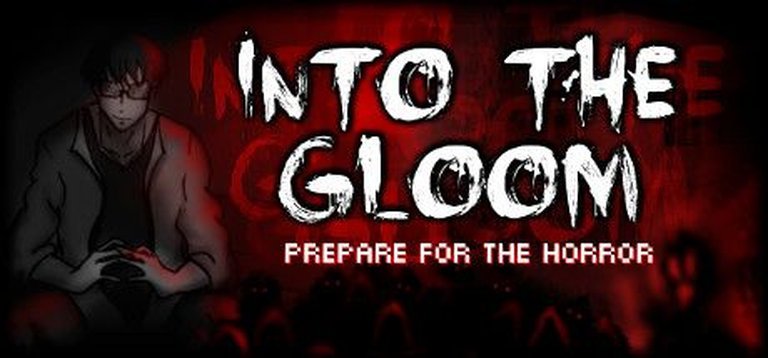
Into the Gloom is a retro horror game that immerses players in a chilling atmosphere with its eerie black, white, and red visuals. Set across 18 suspenseful levels, players must navigate haunting environments and evade ‘The Shadow’ while uncovering five possible endings. The game combines psychological horror with puzzle elements, offering a thrilling and atmospheric first-person adventure.
Gameplay Videos
Where to Buy Into the Gloom
PC
Into the Gloom Cracks & Fixes
Into the Gloom Patches & Updates
Into the Gloom Guides & Walkthroughs
Into the Gloom Reviews & Reception
steambase.io (82/100): Into The Gloom has earned a Player Score of 82 / 100.
store.steampowered.com (80/100): A gripping first-person horror adventure inspired by retro graphics, where fear and suspense take center stage.
niklasnotes.com (81/100): Overall, ‘Into The Gloom’ is well-received for its atmosphere, sound design, and puzzle elements.
Into the Gloom: A Retro Horror Experiment That Redefines Atmospheric Terror
Introduction
In an era dominated by photorealistic graphics and jump-scare compilations, Into the Gloom (2015) stands as a stark reminder that horror thrives in simplicity. Developed by earrgames and published by Flying Interactive and Conglomerate 5, this indie title leverages a monochromatic palette, minimalist design, and psychological tension to craft an experience that lingers long after the screen dims. A love letter to retro horror and a testbed for atmospheric dread, Into the Gloom challenges players to survive its shadow-drenched labyrinths while questioning what truly makes a game terrifying. This review argues that while flawed in execution, the game’s bold aesthetic choices and innovative puzzle design cement its status as a cult classic in the indie horror canon.
Development History & Context
The Studio and Vision
Earrgames, a small independent studio, positioned Into the Gloom as a homage to the horror greats of the 1990s—think Alone in the Dark meets Silent Hill—while embracing the limitations of modern indie development. Built in Unity, the game’s retro pixel-art style wasn’t just an aesthetic choice but a strategic one, allowing the team to focus on environmental storytelling and psychological tension over graphical fidelity.
The 2015 Horror Landscape
Released during the height of the “Let’s Play” boom, Into the Gloom arrived alongside titles like Five Nights at Freddy’s and SOMA. Yet it stood apart by rejecting jump-scare reliance in favor of sustained unease. The developers cited Amnesia: The Dark Descent and Ivan Zanotti’s Imscared as inspirations, aiming to create a game where “the environment itself is the monster.”
Technological Constraints
With a file size of just 160 MB and compatibility for low-end PCs (Pentium 4 processors, 512 MB RAM), Into the Gloom targeted accessibility. This minimalist approach extended to its gameplay systems, emphasizing puzzles and exploration over combat—a necessity given the studio’s limited resources.
Narrative & Thematic Deep Dive
Plot and Structure
Players navigate 18 levels (later expanded from an initial 9) as an unnamed protagonist pursued by “The Shadow,” a malevolent entity symbolized by glowing red eyes. The narrative is deliberately fragmented, conveyed through sparse notes and environmental cues, urging players to piece together the story of a decaying, otherworldly realm.
Characters and Dialogue
There are no traditional NPCs or voiced lines. The protagonist’s silence amplifies the isolation, while The Shadow’s sporadic appearances—triggered by puzzle failures or progression—serve as both antagonist and narrative catalyst.
Themes: Isolation and Existential Fear
Into the Gloom explores themes of futility and psychological collapse. The monochromatic visuals reflect the protagonist’s fractured psyche, while the five endings (ranging from ambiguous to nihilistic) question the price of survival. Unlike many horror games, it avoids gore, instead weaponizing silence and disorientation to evoke dread.
Gameplay Mechanics & Systems
Core Loop: Puzzles and Flight
The game blends adventure-style item hunts with dynamic puzzles that require spatial reasoning (e.g., manipulating light sources to reveal paths). Unlike traditional “fetch quests,” solutions often demand experimentation, though some puzzles suffer from unclear logic, frustrating players (as noted in Steam critiques).
The Shadow: A Relentless Mechanic
The Shadow’s chase sequences are unforgiving, requiring memorization of level layouts. While thrilling, these moments clash with the deliberate pacing, occasionally feeling artificially punitive.
UI and Progression
A minimalist HUD features only an inventory bar, reinforcing immersion. Character progression is nonexistent—success hinges on player skill and adaptability, a design choice that polarizes audiences.
World-Building, Art & Sound
Visual Identity: Noir Horror
The black, white, and red palette evokes German Expressionism, with jagged geometry and stark contrasts heightening the surreal atmosphere. Levels range from claustrophobic corridors to vast, empty plains, each amplifying the sense of vulnerability.
Sound Design: The True Antagonist
Ambient whispers, distant footsteps, and sudden stings of dissonant music make headphones essential. The absence of a traditional soundtrack—replaced by dynamic environmental noise—keeps players perpetually on edge.
Level Design
Early levels focus on exploration, while later stages introduce time-sensitive puzzles and shifting environments. Critics praised the “fantastic level design” (Indie Retro News), though some found later levels overly convoluted.
Reception & Legacy
Launch Reception
Into the Gloom earned a Very Positive rating on Steam (80% of 226 reviews), with praise for its atmosphere and sound. Critics like Rock, Paper, Shotgun highlighted its “fine mood,” while YouTuber PewDiePie commended its “intense moments.”
Criticisms
Common complaints targeted its short length (~2 hours for a single playthrough) and janky controls. The $5.99 price point sparked debate, though frequent sales (as low as $0.70) widened its audience.
Influence and Legacy
While not a commercial blockbuster, the game inspired a wave of monochromatic indie horrors, including World of Horror and Detention. Its emphasis on atmosphere over spectacle also presaged trends in titles like Layers of Fear.
Conclusion
Into the Gloom is a masterclass in minimalist horror, proving that less can be more when it comes to fear. Its striking visuals, oppressive soundscape, and inventive puzzles outweigh its mechanical rough edges, offering an experience that feels both nostalgic and forward-thinking. Though overshadowed by bigger titles, its cult following and enduring Steam ratings confirm its place as a hidden gem in horror history—a game that dares to ask, What if the scariest thing is the darkness itself?
Final Verdict: A flawed but essential play for horror aficionados, Into the Gloom is a testament to the power of imagination over budget.