
- Release Year: 2015
- Platforms: Macintosh, Nintendo Switch, PlayStation 4, Wii U, Windows
- Publisher: Joindots GmbH, Libredia GmbH, MP Digital, LLC
- Developer: Caipirinha Games GmbH
- Genre: Simulation
- Perspective: 3rd-person
- Game Mode: Single-player
- Gameplay: Aviation, Flight, Vehicle simulator
- Setting: Island
- Average Score: 29/100
Description
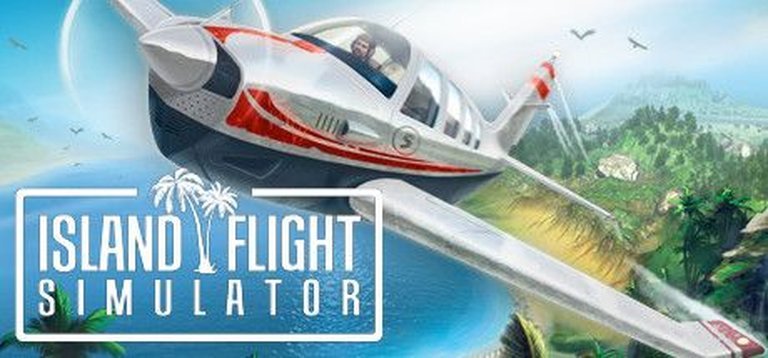
Island Flight Simulator is a flight simulation game set in a tropical paradise, where players take on the role of a pilot navigating various aircraft through scenic island landscapes. Developed by Caipirinha Games and released in 2015, the game offers a mix of realistic flight mechanics and casual gameplay, though reviews criticize its lack of depth and repetitive missions. Available on multiple platforms, including Windows, Nintendo Switch, and PlayStation 4, the game aims to provide a relaxing yet challenging aviation experience.
Gameplay Videos
Where to Buy Island Flight Simulator
Island Flight Simulator Guides & Walkthroughs
Island Flight Simulator Reviews & Reception
metacritic.com (50/100): Despite its many, many issues, Island Flight Simulator’s gameplay does have some relaxing qualities and may very well appeal to those wanting a simple flying experience.
store.steampowered.com (25/100): Mostly Negative (25% of the 31 user reviews for this game are positive).
steambase.io (22/100): Island Flight Simulator has earned a Player Score of 22 / 100.
gamepressure.com (22/100): Visually, Island Flight Simulator for PS4, SWITCH and PC is what is considered average in its genre.
opencritic.com (30/100): There is a never-ending supply of drudgery to keep you flying in straight lines forever; in fact, there’s very little to recommend here – as a simulator it fails by not being sim-enough in both physics execution and pilot involvement, but equally it’s not arcade-y or fun either.
Island Flight Simulator: A Tropical Flight of Fancy or a Crash Landing?
Introduction
Island Flight Simulator (2015) is a game that promises the allure of tropical skies, the thrill of freight piloting, and the charm of open-ended gameplay. Developed by Caipirinha Games and published by Libredia, it positions itself as a blend of flight simulation and economic strategy, set against the backdrop of twelve exotic islands. Yet, beneath its vibrant veneer lies a game that has sparked divisive reactions—praised by some for its accessibility and criticized by others for its lack of depth. This review dissects Island Flight Simulator in meticulous detail, exploring its development, mechanics, reception, and legacy to determine whether it soars or stalls.
Development History & Context
The Studio and Vision
Caipirinha Games, a German studio known for titles like Bridge Builder 2 and Mountain Rescue Simulator, approached Island Flight Simulator with a clear vision: to create a flight simulator that balanced realism with accessibility. The game was designed to appeal to both hardcore flight enthusiasts and casual gamers, a compromise that would later become a point of contention. The studio’s prior experience in simulation games suggested a focus on mechanics over narrative, and Island Flight Simulator was no exception.
Technological Constraints and Era
Released in 2015, Island Flight Simulator was built using the Unity engine, a choice that allowed for cross-platform development (Windows, Mac, Wii U, PlayStation 4, and Nintendo Switch). However, the game’s technical limitations were evident from the outset. The flight model, while functional, lacked the depth of more dedicated simulators like Microsoft Flight Simulator. The visuals, though colorful, were criticized for their lack of detail, reflecting the constraints of both the engine and the studio’s resources.
The Gaming Landscape
At the time of its release, the flight simulation genre was dominated by titles like Microsoft Flight Simulator X and X-Plane, which catered to hardcore enthusiasts. Island Flight Simulator attempted to carve a niche by offering a more casual, mission-based experience. However, it faced stiff competition from arcade-style flight games like War Thunder and Ace Combat, which provided more dynamic gameplay. The game’s release on consoles like the Wii U and Nintendo Switch further complicated its reception, as these platforms were not traditionally associated with flight simulators.
Narrative & Thematic Deep Dive
Plot and Setting
Island Flight Simulator eschews a traditional narrative in favor of an open-ended, mission-driven structure. Players assume the role of a freight pilot operating in a tropical archipelago, transporting goods between twelve islands. The game’s setting is its strongest thematic element, evoking a sense of adventure and exploration. The islands, though not deeply detailed, are designed to feel distinct, with varying landscapes and airstrips.
Characters and Dialogue
The game’s characters are minimal, consisting primarily of mission givers and NPCs who provide context for transport jobs. Dialogue is sparse, focusing on practical information rather than storytelling. This lack of narrative depth is intentional, as the game prioritizes gameplay over plot. However, it also means that Island Flight Simulator lacks the emotional engagement found in more story-driven titles.
Underlying Themes
The game’s themes revolve around entrepreneurship, risk management, and the romance of aviation. Players must balance profitability with risk, as some missions involve transporting illegal goods for higher rewards. This mechanic introduces a moral ambiguity, though it is never explored in depth. The tropical setting reinforces themes of escapism and adventure, appealing to players who enjoy the fantasy of being a lone pilot in a paradise.
Gameplay Mechanics & Systems
Core Gameplay Loop
The core gameplay loop of Island Flight Simulator is straightforward: accept missions, transport goods, earn money, and upgrade your aircraft. Players can choose from over 100 missions, ranging from simple deliveries to high-risk smuggling runs. The game’s open-ended structure allows for non-linear progression, though the missions themselves can become repetitive.
Flight Mechanics
The flight mechanics are simplified compared to more hardcore simulators. The game uses a third-person perspective, and controls are designed to be accessible, with options for both mouse/keyboard and gamepad inputs. While this makes the game easier to pick up, it also limits the depth of the simulation. The physics model is arcade-like, with less emphasis on realistic aerodynamics. This design choice has been both praised for its accessibility and criticized for its lack of authenticity.
Aircraft and Upgrades
Players have access to three distinct aircraft, each with unique characteristics. Upgrades can be purchased to improve speed, durability, and fuel capacity, adding a light economic strategy layer. However, the upgrades are relatively shallow, with limited impact on gameplay. The lack of deeper customization options is a missed opportunity, as it could have added more replayability.
Mission Variety and Risk
The game’s missions vary in difficulty and reward, with some involving illegal cargo that carries the risk of interception by law enforcement. This mechanic adds a layer of tension, though the consequences of failure are minimal. The risk-reward system is underdeveloped, as the penalties for being caught are not severe enough to deter players from taking high-risk jobs.
User Interface and Controls
The UI is functional but unremarkable, with a focus on practicality over aesthetics. The controls are responsive, though the lack of advanced flight mechanics means that the game feels more like an arcade experience than a true simulator. The absence of joystick support in some versions (notably the Wii U) further limits the game’s appeal to hardcore flight enthusiasts.
World-Building, Art & Sound
Setting and Atmosphere
The tropical archipelago setting is the game’s most compelling artistic element. The islands are designed to feel distinct, with varying terrain and airstrips. The vibrant colors and lush landscapes create a sense of escapism, though the lack of detail in the environments can break immersion. The game’s atmosphere is relaxed, reinforcing the fantasy of being a freelance pilot in paradise.
Visual Design
The visuals are colorful but dated, even by 2015 standards. The landscapes and buildings lack detail, and the textures are often repetitive. The game’s art style is functional rather than impressive, with a focus on clarity over realism. The third-person perspective allows for a broad view of the environment, but the lack of visual polish detracts from the overall experience.
Sound Design
The sound design is minimal, with engine noises and ambient tropical sounds providing the bulk of the audio experience. The lack of a dynamic soundtrack or voice acting further emphasizes the game’s focus on gameplay over immersion. The music, composed by Thiago Gobet Spada, is forgettable, failing to enhance the tropical atmosphere.
Reception & Legacy
Critical Reception
Island Flight Simulator received overwhelmingly negative reviews from critics. Nintendo Life scored the Wii U version a 3/10, criticizing its lack of depth and repetitive gameplay. Nintendo-Online.de was even harsher, giving the Nintendo Switch version a 2/10 and calling it a “flop of the year.” The game’s Metascore remains unranked due to insufficient reviews, but the consensus is clear: it fails as both a simulator and an arcade experience.
Player Reception
Player reviews on Steam are similarly negative, with a “Mostly Negative” rating based on 31 reviews. Players criticized the game’s lack of depth, repetitive missions, and outdated graphics. The game’s Steam forums reveal frustration with technical issues, such as fuel management problems and the absence of joystick support.
Legacy and Influence
Island Flight Simulator has had little impact on the flight simulation genre. Its attempt to bridge the gap between casual and hardcore audiences was unsuccessful, and it remains a footnote in the history of flight games. The game’s legacy is one of missed potential, as its tropical setting and open-ended structure could have been the foundation for a more engaging experience.
Conclusion
Island Flight Simulator is a game that promises much but delivers little. Its tropical setting and open-ended gameplay are appealing in theory, but the execution is lacking. The flight mechanics are too simplistic for hardcore enthusiasts, while the repetitive missions and lack of depth fail to engage casual players. The game’s visuals and sound design are functional but unremarkable, and its reception has been overwhelmingly negative.
Final Verdict: Island Flight Simulator is a crash landing in a genre that demands either precision or excitement. It occupies an awkward middle ground, satisfying neither simulation purists nor arcade fans. While its tropical setting is charming, the game ultimately fails to take flight. 2/10 – A missed opportunity.