
- Release Year: 2017
- Platforms: Linux, Macintosh, Nintendo Switch, Windows
- Publisher: Leoful, Ludosity AB, Nicalis, Inc.
- Developer: Ludosity AB
- Genre: Action
- Perspective: Diagonal-down
- Game Mode: Single-player
- Gameplay: Puzzle elements
- Average Score: 79/100
Description
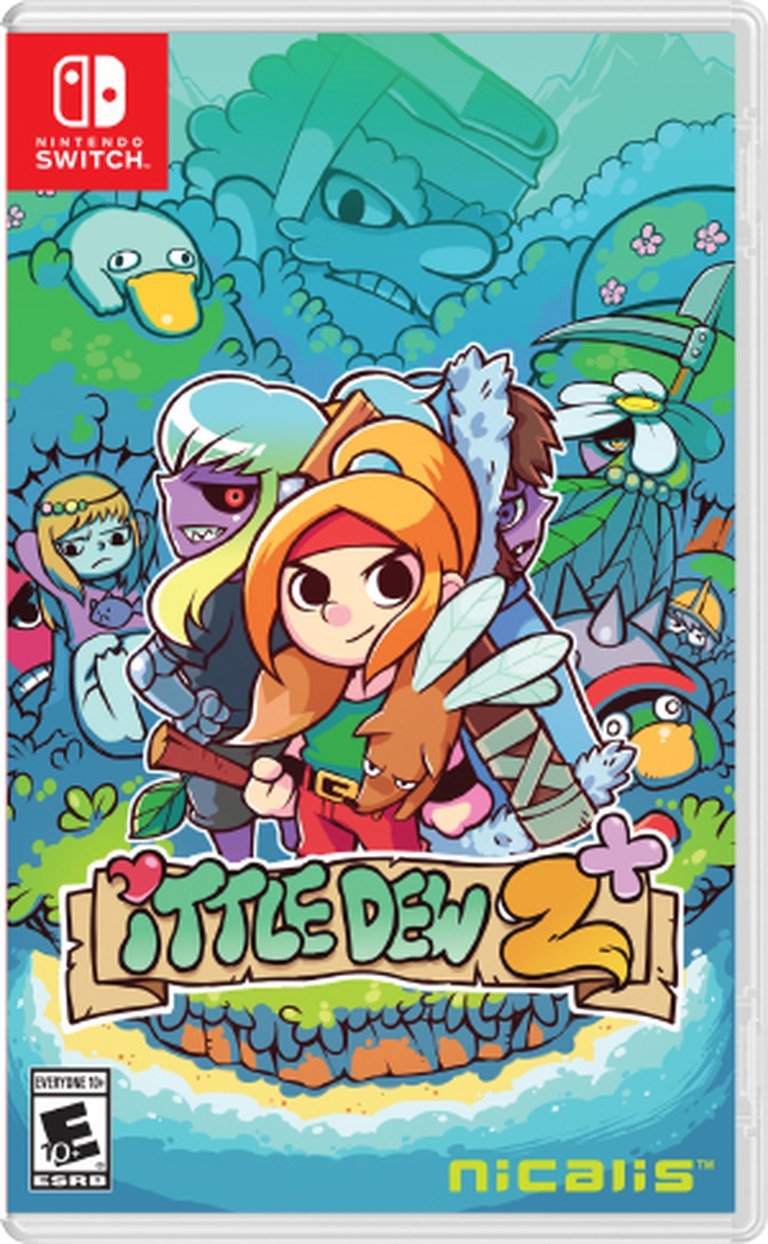
Ittle Dew 2+ is a lighthearted action-adventure game inspired by classic 2D Zelda titles, following the spirited protagonist Ittle and her flying fox companion Tippsie as they explore the mysterious island of Avalon. Players solve environmental puzzles, battle quirky enemies, and uncover secrets across vibrant dungeons using versatile tools like a magic wand and raft, all wrapped in a charming aesthetic and self-aware humor.
Gameplay Videos
Where to Buy Ittle Dew 2+
PC
Ittle Dew 2+ Cracks & Fixes
Ittle Dew 2+ Patches & Updates
Ittle Dew 2+ Mods
Ittle Dew 2+ Reviews & Reception
opencritic.com (80/100): Ittle Dew 2+ is a fantastic game. On a console with a library full of wonderful indies like Shovel Knight and FAST Racing NEO, Ittle Dew 2+ stands among the best of them.
metacritic.com (77/100): Ittle Dew 2+ is a fantastic 2D Zelda style experience and is a well worth your time, puzzle solving can be difficult at times but the charm and presentation will be enough to keep you going until the fantastic conclusion.
punishedbacklog.com : Ittle Dew 2+ is not just a fantastic take on 2D Zelda but also a great game in its own right.
cgmagonline.com (80/100): The hilarious from start to finish Ittle Dew 2+ is the best 2D Zelda-like on the Switch.
amostagreeablepastime.com : Ittle Dew 2+ valiantly nicks the ‘collect 8 shards’ motif of the original Zelda by asking the player to find 8 bits of a raft.
Ittle Dew 2+ Cheats & Codes
Nintendo Switch
Enter the code as your name on the name entry screen before starting the game.
| Code | Effect |
|---|---|
| frogmode | Play as a frog, start with only 1 heart, and experience hard‑mode gameplay. |
| jennyberry | Start the game as Jenny Berry from Ittle Dew 1; Tippity becomes a flying ice‑cream cone. |
Ittle Dew 2+: Review
Ittle Dew 2+ is a game that stands out in the crowded field of indie action-adventure titles. Developed by Ludosity, this sequel to the 2013 title Ittle Dew builds upon its predecessor’s charm and wit, delivering a polished and engaging experience that pays homage to classic Zelda games while carving out its own unique identity. This review will delve into the game’s development history, narrative themes, gameplay mechanics, world-building, reception, and legacy, providing a comprehensive analysis of what makes Ittle Dew 2+ a standout title.
Development History & Context
Ludosity, the Swedish indie studio behind Ittle Dew 2+, has a knack for creating games that blend nostalgia with innovation. The studio’s creators, Daniel Remar and Ludvig Rasmusson, have a deep appreciation for classic adventure games and sought to create a title that captured the spirit of those early experiences while adding their own twist. The technological constraints of the era, particularly the limitations of 2D graphics and gameplay mechanics, were overcome by leveraging the Unity engine, which allowed for a 3D aesthetic with 2D gameplay.
The gaming landscape at the time of Ittle Dew 2+’s release was dominated by a resurgence of interest in retro-inspired titles. Games like Shovel Knight and Hyper Light Drifter had garnered critical acclaim for their ability to capture the essence of classic adventure games while adding modern twists. Ludosity aimed to carve out their own niche in this landscape by focusing on humor, charm, and a deep respect for the source material they were paying homage to.
Narrative & Thematic Deep Dive
Ittle Dew 2+ tells the story of Ittle and her companion Tippsie, who find themselves stranded on a mysterious island after their raft breaks apart. Their goal is to recover the pieces of the raft, repair it, and escape the island. The narrative is lighthearted and filled with witty dialogue, often breaking the fourth wall to poke fun at gaming tropes and the player’s expectations.
The characters of Ittle and Tippsie are central to the game’s charm. Ittle is a feisty and resourceful protagonist, while Tippsie serves as a comedic foil, often providing humorous commentary and hints. The dialogue between the two is a highlight of the game, filled with snarky remarks and self-aware humor that adds depth to their relationship and the world they inhabit.
The game’s themes revolve around adventure, discovery, and the joy of exploration. The island is filled with secrets and hidden areas, encouraging players to explore every nook and cranny. The narrative also touches on the idea of escapism, as Ittle and Tippsie seek to leave the island and return to their own world. This theme is reinforced through the game’s humor, which often plays with the idea of video game tropes and the player’s expectations.
Gameplay Mechanics & Systems
Ittle Dew 2+ features a core gameplay loop that revolves around exploration, puzzle-solving, and combat. The game is set in an overhead perspective, reminiscent of classic Zelda titles, and takes place in a large overworld filled with dungeons and caves. Players fight enemies and solve puzzles to progress through these areas, ultimately defeating a dungeon boss to obtain a raft piece.
The combat in Ittle Dew 2+ is straightforward but effective. Ittle starts with a simple stick, which can be upgraded and replaced with more powerful weapons as the game progresses. The combat is complemented by a variety of items that can be used to solve puzzles and overcome obstacles. These items, such as the force wand and dynamite, add depth to the gameplay and encourage experimentation.
The user interface (UI) is clean and intuitive, with a minimalistic design that keeps the focus on the gameplay. The map system is particularly noteworthy, as it provides a clear overview of the overworld and dungeons, making it easy for players to navigate and plan their next moves. The hint system, which allows players to call on Tippsie for guidance, is also a standout feature, providing helpful tips without breaking the immersion.
World-Building, Art & Sound
The world of Ittle Dew 2+ is a vibrant and colorful island filled with diverse environments, from lush forests to fiery canyons. The art style is a unique blend of 2D and 3D elements, with a squiggly, hand-drawn aesthetic that gives the game a distinctive look. The attention to detail in the environment design is impressive, with hidden secrets and Easter eggs scattered throughout the island.
The sound design in Ittle Dew 2+ is equally impressive, with a soundtrack that complements the game’s humor and charm. The music is upbeat and catchy, with a mix of electronic and orchestral elements that create a lively atmosphere. The sound effects are also well-done, with satisfying feedback for combat and puzzle-solving.
The atmosphere of the game is enhanced by the voice acting, which is top-notch. The performances of Ittle and Tippsie are particularly noteworthy, with a perfect balance of humor and sincerity that brings the characters to life. The voice acting also extends to the game’s NPCs, who provide a wealth of comedic dialogue and hints.
Reception & Legacy
Ittle Dew 2+ received critical acclaim upon its release, with reviewers praising its humor, charm, and gameplay mechanics. The game was lauded for its ability to capture the spirit of classic Zelda titles while adding its own unique twist. The Switch version, in particular, was noted for its additional content, including five new dungeons that added depth to the gameplay experience.
The game’s reception was generally favorable, with a Metacritic score of 77 for the Nintendo Switch version. Critics praised the game’s humor, charm, and gameplay mechanics, with some noting that the combat could be repetitive and unrewarding. Despite this, the game was widely regarded as a standout title in the indie action-adventure genre.
Ittle Dew 2+’s legacy is one of innovation and charm. The game’s ability to blend nostalgia with modern gameplay mechanics has made it a favorite among fans of the genre. Its influence can be seen in subsequent games that have sought to capture the same spirit of adventure and discovery.
Conclusion
Ittle Dew 2+ is a game that stands out in the crowded field of indie action-adventure titles. Its blend of humor, charm, and innovative gameplay mechanics makes it a standout title that captures the spirit of classic Zelda games while carving out its own unique identity. The game’s development history, narrative themes, gameplay mechanics, world-building, art, and sound design all contribute to a polished and engaging experience that is sure to delight fans of the genre. Its critical and commercial reception, as well as its influence on subsequent games, cement its place in video game history as a title that pushed the boundaries of what an indie action-adventure game could be.