
- Release Year: 2012
- Platforms: Windows
- Publisher: astragon Software GmbH, Game Factory Interactive Ltd.
- Developer: Waterfall Interactive
- Genre: Adventure
- Perspective: 1st-person
- Game Mode: Single-player
- Gameplay: Hidden object, Puzzle elements
- Setting: Alps
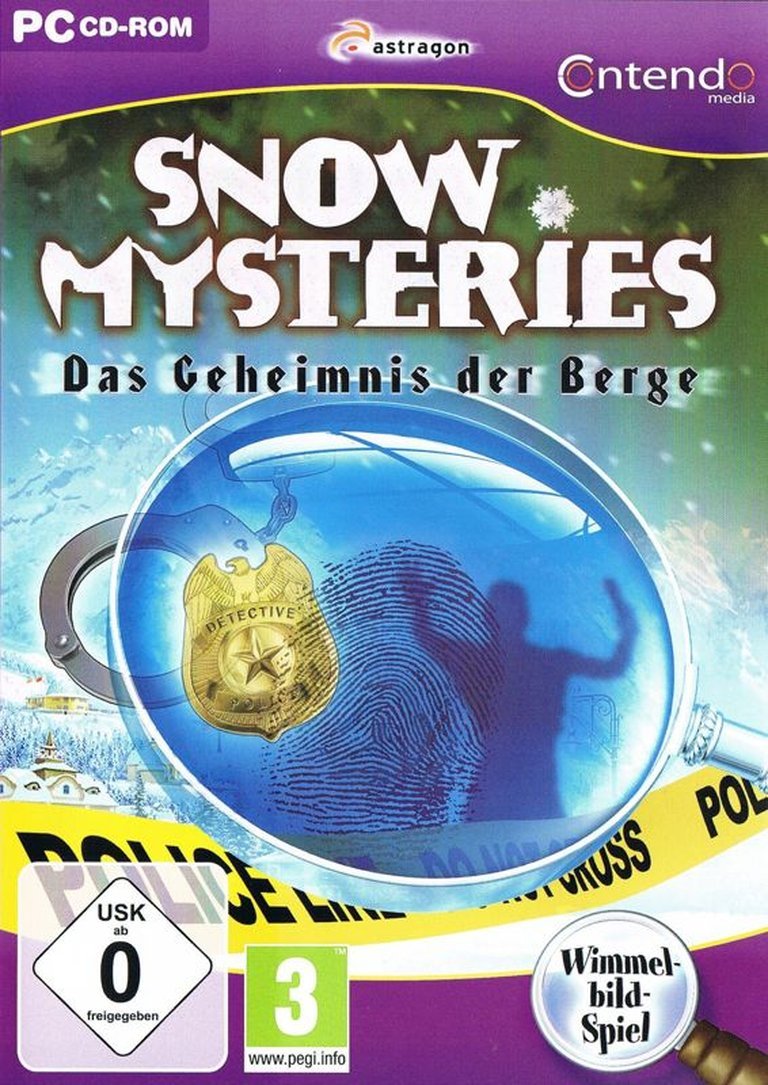
Description
Jessica: Mystery of Courchevel is a first-person hidden object adventure game set in the snowy Alps resort of Courchevel. Players control Mia, who must solve hidden object puzzles and mini-games to gather evidence and prove her boyfriend Tony’s innocence after he is arrested and charged with a crime during their holiday vacation.
Where to Buy Jessica: Mystery of Courchevel
PC
Jessica: Mystery of Courchevel: Review
Introduction
Imagine arriving at the glamorous slopes of Courchevel, the epitome of Alpine luxury, only for your romantic getaway to spiral into a frantic quest for justice amid snowy intrigue and shadowy kidnappings. Jessica: Mystery of Courchevel (2012), a hidden object adventure from the fringes of early 2010s casual gaming, captures this improbable clash of high-society glamour and low-stakes detective work. As part of the niche Jessica/Darya series—sandwiched between Jessica: Mysterious Journey (2009) and kin like Jessica: Secret of the Caribbean (2009)—this title endures as a relic of the hidden object game (HOG) boom, a genre that flooded the PC market with point-and-click puzzles for casual players. Its legacy is one of obscurity: no critic scores on MobyGames or Metacritic, zero user reviews on Steam even a decade post-port, and a ghostly presence in databases like RAWG. Yet, in this exhaustive analysis, I argue that Jessica: Mystery of Courchevel exemplifies the unpretentious charm of the era’s casual adventures—flawed, formulaic, but evocatively atmospheric—earning it a modest but secure niche as a time capsule of accessible, family-friendly escapism.
Development History & Context
Developed by the relatively unknown Waterfall Interactive and produced by GFI Russia, Jessica: Mystery of Courchevel emerged from Eastern European studios specializing in budget-friendly casual titles. Publishers astragon Software GmbH (Germany) handled the initial January 5, 2012 Windows release as Snow Mysteries: Das Geheimnis der Berge, targeting European markets with CD-ROM and download options, while Game Factory Interactive Ltd. (GFI) oversaw global distribution, culminating in a Steam re-release on March 14, 2022 (App ID: 1903840). This dual identity—Jessica in English, Darya (Дарья: Загадки Куршевеля) in Russian, Mia in some localizations—reflects the era’s fragmented localization practices for low-budget games, often adapted across cultures without full narrative overhauls.
The 2012 landscape was dominated by the casual gaming explosion, fueled by portals like Big Fish Games and GameHouse. Hidden object adventures proliferated as “mommy games,” appealing to non-hardcore audiences with simple mechanics and short play sessions. Technological constraints were minimal: requiring just a 1.2 GHz processor, 100 MB storage, and basic sound card (Windows 8/10/11 compatible per Steam), it ran on era-appropriate netbooks. Creators’ vision, inferred from official blurbs, leaned into “tense detective story in an atmosphere of the luxurious ski resort,” blending HOG staples with light adventure to differentiate from pure puzzle fare like The Mystery of the Druids (2001) or contemporaries such as Surface: Mystery of Another World (2012). Produced amid Russia’s burgeoning game dev scene (GFI Russia), it capitalized on low-cost 2D art and hand-drawn cartoons, evading the AAA shift toward 3D spectacles like Skyrim. This context positions it as a product of democratization—gaming for the masses, unburdened by innovation but rich in targeted accessibility (PEGI 3 rating, single-player only).
Narrative & Thematic Deep Dive
At its core, Jessica: Mystery of Courchevel weaves a pulpy detective yarn tailored for quick thrills. The protagonist—Jessica (or Mia/Darya in variants), the “tireless and irrepressible adventurer” from the series—arrives at Courchevel’s opulent ski resort with boyfriend Tony for respite. Chaos ensues on day one: Tony is arrested for kidnapping a prized dog, a charge shrouded in police secrecy. Undeterred, Jessica infiltrates the station, springs Tony from his cell, and the duo races against time to unearth evidence before recapture dooms their case. Spanning 10 locations—from frosty resort lounges to the kidnapper’s sinister den—this plot unfolds as a “gripping storyline” of hidden object-fueled investigation.
Plot Structure and Pacing
The narrative adheres to HOG conventions: linear progression via scene exploration, clue-gathering, and revelation cascades. Early acts focus on Tony’s frame-up, mid-game delves into resort underbelly (spot-the-difference groups hint at visual clue hunts), and climax confronts the “mysterious kidnapper.” Mini-games punctuate the detective work, ensuring brisk pacing—ideal for 2-4 hour sessions.
Character Analysis
Jessica embodies the resourceful female protagonist archetype: savvy, bold, emotionally driven (tags: Drama, Emotional). Tony serves as damsel-in-distress foil, humanizing her quest. Secondary cast—police, resort elites, kidnapper—remains archetypal, with dialogue (implied interactive fiction elements) delivering exposition via cartoons. Inconsistencies like name shifts (Mia vs. Jessica) underscore rushed localization, potentially diluting immersion.
Themes and Symbolism
Beneath the fluff lies commentary on privilege and peril: Courchevel’s luxury masks dog-napping absurdity, satirizing elite vacations turned noir. Themes of justice vs. bureaucracy critique opaque authority (“police refused to disclose details citing confidentiality”), while loyalty and ingenuity empower Jessica against systemic odds. The Alps symbolize isolation—beautiful yet treacherous—mirroring the couple’s predicament. As a PEGI 3 title, it sanitizes crime into family fare, contrasting grittier peers like Dark Tales: Edgar Allan Poe’s The Mystery of Marie Roget (2016). Overall, the story prioritizes empowerment fantasy over depth, but its cozy tension endures.
Gameplay Mechanics & Systems
Jessica: Mystery of Courchevel epitomizes HOG purity: first-person perspective, point-and-click hidden object scenes blended with puzzle elements and 10+ mini-games. Core loop—explore, seek, solve—delivers satisfying progression without grind.
Core Loops and Hidden Objects
Players scour detailed 2D scenes (hand-drawn, cartoony) for items, combining them into inventory tools for plot advancement. Spot-the-difference integration (genre group) adds variety, rewarding observation amid cluttered Alpine vistas.
Combat and Progression
No combat; “character progression” manifests as skill-unlocks via collected proof, gating story beats. UI is straightforward—clean inventory, hint system (likely timed)—optimized for casuals (tags: Relaxing, Time Management).
Mini-Games and Innovation
Over 10 variants shine: mazes navigate snowy paths, tag games evade pursuers, puzzles reassemble clues. These break monotony, though flaws like repetitive HOG lists or finicky clicks (common in era) persist. Typing tags suggest occasional word hunts, enhancing interactivity. Flaws include sparse feedback and no branching narratives, but low barrier (no fail-states) ensures accessibility.
UI/UX Critique
Minimalist interface suits single-player flow; Steam’s Family Sharing/Profile Features support communal play. Innovative? Marginally—the jailbreak opener innovates on escapism tropes—but it refines rather than reinvents.
World-Building, Art & Sound
Courchevel’s Alps setting is the star: 10 locations evoke luxurious isolation—glittering chalets, powder slopes, shadowy dens—via hand-drawn 2D art (tags: Cartoon, Comic Book). Visual direction blends whimsy (cartoony dogs) with noir shadows, building tense atmosphere despite static scenes.
Atmosphere and Immersion
Snowy palettes and dynamic elements (falling flakes?) amplify coziness-with-danger, contributing to “emotional” pull. Sound design—basic card-required audio—likely features ambient winds, tense stings, and resort muzak, underscoring drama without voice acting (English subtitles only).
These elements synergize: art sells glamour, sound heightens urgency, fostering escapism that elevates mechanics beyond tedium.
Reception & Legacy
Launch reception was muted: no MobyScore, Metacritic, or Steam user reviews (even post-2022 port), signaling niche appeal. Commercial viability? Steam pricing ($2.24-$8.99, bundled in Jessica Trilogie at -30%) suggests budget longevity via impulse buys. German focus (astragon) and Russian roots imply regional sales, but global obscurity persists—no patches, forums quiet.
Evolution and Influence
Reputation as “forgotten series entry” endures; RAWG ranks it #16341 casually. Influences minimal—echoes in HOGs like Mystery Trackers: Blackrow’s Secret (2014) or Department 42 (2009)—but it preserves spot-the-difference hybridization. In history, it typifies casual’s democratization, paving micro-transaction-free paths amid free-to-play rise. Wikidata/IGDB logs affirm archival value, yet no academic citations.
Conclusion
Jessica: Mystery of Courchevel is no masterpiece, but a poignant artifact: charming HOG detective romp blending Alpine allure with bite-sized mysteries. Strengths—cozy narrative, varied mini-games, evocative world—outweigh flaws like sparse polish and review void. In video game history, it claims a verdant spot among 2010s casuals: Recommended for HOG nostalgics (8/10), a testament to gaming’s inclusive underbelly. Unearth it on Steam; prove Tony’s innocence, rediscover the slopes.