
- Release Year: 2008
- Platforms: iPad, iPhone, Windows
- Publisher: Big Fish Games, Inc, Encore Software, Inc., rondomedia Marketing & Vertriebs GmbH
- Developer: Boomzap Pte. Ltd.
- Genre: Action, Puzzle
- Perspective: Top-down
- Game Mode: Single-player
- Gameplay: Arcade, Tile matching puzzle
- Setting: Egypt (Ancient)
- Average Score: 70/100
Description
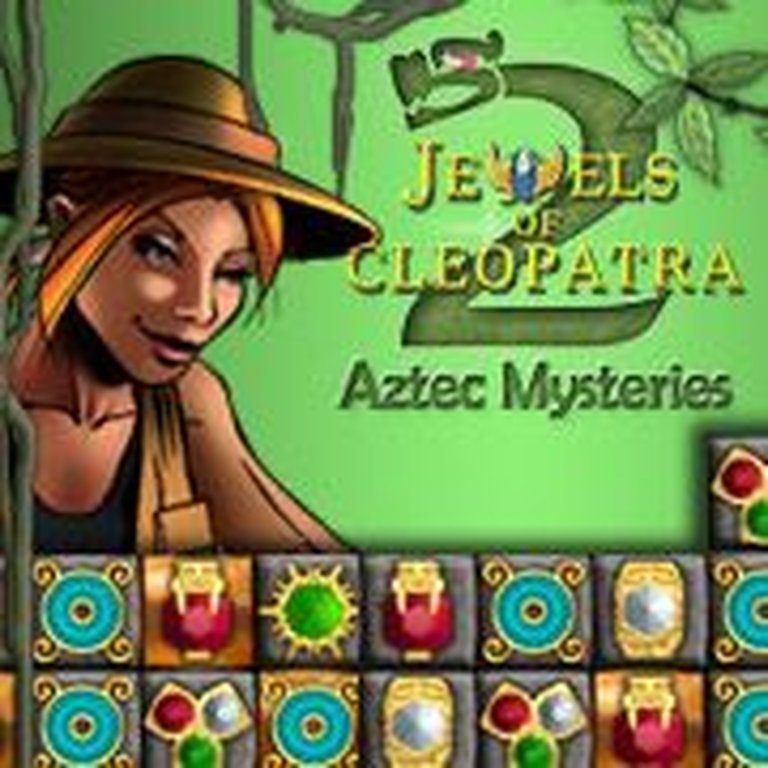
Jewels of Cleopatra 2: Aztec Mysteries is a match-three puzzle game set in ancient Egypt, where players control Dr. Felicity Turnstone as she navigates through temple levels. The game features a grid of tiles that players must match in rows of three or more to clear and turn them to gold, guiding Felicity to the exit. Players encounter various obstacles and special objects that add complexity to the gameplay, including mini-games and races against rival treasure hunters.
Gameplay Videos
Jewels of Cleopatra 2: Aztec Mysteries Reviews & Reception
gamezebo.com (70/100): A very good but very similar game to its successful predecessor.
Jewels of Cleopatra 2: Aztec Mysteries: A Time Capsule of Casual Puzzle Innovation
Introduction
In the golden age of casual gaming, Jewels of Cleopatra 2: Aztec Mysteries emerged as a sequel that doubled down on its predecessor’s formula: a match-three puzzle adventure wrapped in archaeological intrigue. Released in 2008 by Singapore-based Boomzap Entertainment, the game traded the sands of Egypt for the jungles of Mesoamerica, tasking players with guiding protagonist Dr. Felicity Turnstone through Aztec ruins brimming with traps, treasures, and rival treasure hunters. While critics praised its charming blend of strategy and storytelling, the game’s legacy remains tethered to its niche appeal—a polished but predictable iteration in a genre defined by repetition.
Development History & Context
A Boomzap Blueprint
Developed by Boomzap Pte. Ltd.—a studio known for casual hits like Awakening: The Dreamless Castle—Aztec Mysteries was helmed by Creative Director Christopher Natsuume and Technical Lead Allan Simonsen. The team leveraged the studio’s experience in bite-sized, story-driven puzzles, targeting the burgeoning casual market dominated by titles like Bejeweled and Zuma. Released initially for Windows (and later ported to iOS in 2013), the game was part of a wave of mid-2000s match-three hybrids that sought to layer lightweight narratives atop familiar mechanics.
Technological Constraints & Ambitions
Built for low-spec PCs (requiring just a 1.0 GHz CPU and 512 MB RAM), Aztec Mysteries prioritized accessibility over graphical fidelity. Its design reflected the era’s CD-ROM/download dichotomy, offering a compact experience suited for retail discs or digital storefronts like Big Fish Games. The decision to focus on “gold pathing” mechanics—where matched tiles unlock traversal routes—showcased Boomzap’s knack for innovating within genre constraints, even if the execution leaned heavily on its predecessor’s blueprint.
Narrative & Thematic Deep Dive
A Pulpy Treasure Hunt
The plot follows Dr. Felicity Turnstone, an archaeologist racing against her roguish rival Shady McGrady to uncover jewels linked to an Aztec princess. While the narrative is largely a vehicle for gameplay, it delivers campy charm through animated cutscenes and dialogue. Themes of exploration and rivalry are thinly explored, but the Aztec setting provides a fresh coat of paint—albeit one that occasionally conflates Mesoamerican cultures (e.g., “Toltec Slots” mini-games).
Characters as Gameplay Props
Felicity and Shady serve functional roles: she’s a determined guide, he’s a comedic antagonist. Supporting characters like Dr. Shuffle exist purely to tutorialize mechanics. The story’s simplicity mirrors its casual audience’s expectations—no deep lore, just a breezy excuse to match jewels.
Gameplay Mechanics & Systems
Core Loop: Match-Three as a Key
The gameplay revolves around matching rows of three or more tiles to turn them to gold, creating paths for Felicity to navigate. Right-clicking redirects her, adding a layer of strategy as players juggle tile-clearing and route optimization. Later levels introduce obstacles:
– Creatures: Iguanas and scorpions block tiles or reset progress.
– Environmental Hazards: Water traps and spider webs demand careful pathing.
– Triggers: Switches alter level geometry, forcing split-second decisions.
Mini-Games: Diversions or Distractions?
New to the sequel are 12 mini-games, including:
– Armadillo Races: Top-down sprints with power-ups.
– Aztec Cups: A shell-game guessing challenge.
– Sliding Puzzles: Image-reassembly tasks.
While these inject variety, critics noted their brevity and lack of tangible rewards.
Power-Up System: A Step Back?
Unlike the first game, power-ups (e.g., lightning bolts, dynamite) must be used immediately, reducing strategic flexibility. This change divided players, with some praising the added urgency and others lamenting the loss of resource management.
World-Building, Art & Sound
Aesthetic Charm Over Depth
The Aztec setting is rendered in vibrant, cartoonish visuals—think stylized temples and jeweled UI elements. While the art, led by Ben Wong and Lukman Hakim Abdullah, is colorful, it lacks cultural authenticity, leaning into Hollywood-inspired “ancient mystery” tropes.
Soundtrack: Ambient Adventure
SomaTone Interactive Audio’s score blends pan flute melodies and percussion to evoke exploration, though it seldom rises above background noise. Sound effects—clicking tiles, creature hisses—are serviceable but unremarkable.
Reception & Legacy
Critical Response: “More of the Same”
Aztec Mysteries earned a lukewarm 70% from GameZebo, with reviewer Marc Saltzman praising its “unique adventuring component” but cautioning veterans of the first game to “try the demo first.” The lack of significant innovation relegated it to the shadows of genre titans like Puzzle Quest.
Commercial Footprint & Influence
Though sales figures are scarce, the game found a niche audience, buoyed by re-releases on iOS. Its legacy lies in refining the “puzzle-adventure” subgenre, inspiring later titles like Jewel Quest to blend match-three mechanics with light storytelling.
Conclusion
Jewels of Cleopatra 2: Aztec Mysteries is a comfort-food sequel—competently executed but creatively safe. Its strengths (charming aesthetics, strategic pathing) are offset by repetitive design and minimal innovation. While it remains a curio of late-2000s casual gaming, its impact pales next to genre pioneers. For puzzle enthusiasts, it’s a pleasant diversion; for historians, a footnote in Boomzap’s catalog. Final Verdict: A solid but forgettable gem in the match-three crown.