
- Release Year: 2014
- Platforms: Linux, Macintosh, Windows
- Publisher: Lupus Studios Limited
- Developer: Locked Door Puzzle
- Genre: Adventure
- Perspective: 3rd-person
- Game Mode: Single-player
- Gameplay: Moral choices, Multiple story paths, Narrative-driven, Visual novel
- Setting: Modern, School, Town
- Average Score: 59/100
Description
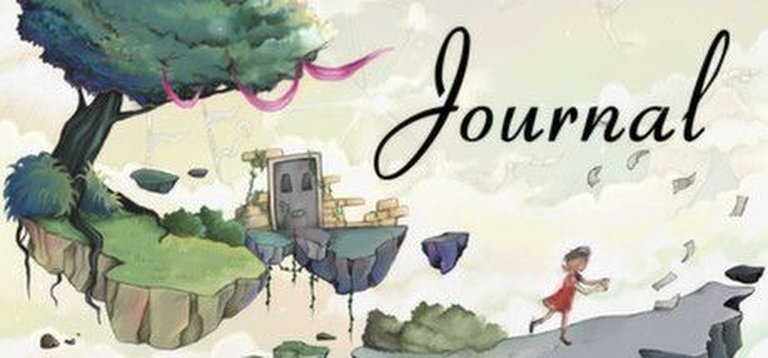
Journal is a narrative-driven visual novel set in October 1987, following a teenage girl who discovers her journal has been mysteriously erased. Over five days, players explore her life through conversations about family turmoil, school pressures, and repressed trauma, moving between static hand-painted scenes in a platformer-like interface without actual platforming mechanics. Choices shape relationships and uncover secrets, culminating in a puppet theater subplot that intertwines with her story. With partial voice acting and branching paths, the game emphasizes replayability—including a secret ending exclusive to second playthroughs.
Where to Buy Journal
PC
Journal Reviews & Reception
metacritic.com (59/100): It’s all dime-store philosophy, but it’s still a philosophy, and I credit Journal for a valiant attempt to say something, even if the message comes out tangled up in the end.
metacritic.com (59/100): It’s all dime-store philosophy, but it’s still a philosophy, and I credit Journal for a valiant attempt to say something, even if the message comes out tangled up in the end.
Journal: Review
The video game “Journal” is a visual novel that takes place over the course of five days, from October 8th to October 12th, 1987. The player assumes the role of a teenage girl who wakes up to discover that her journal, which she has been keeping, is entirely blank. The game’s story revolves around the mystery of how that happened. The player can move the girl around as in a platformer, navigating between static screens, going left or right, or jumping. However, the game is entirely narrative-driven, consisting of meeting different people and going through conversations. The game features a hand-painted visual style with partial voice narration. The visuals are shown as drawings on a desk.
Each day starts at the house. Characters the girl meets include classmates at school, her parents, and other people in the town. The player experiences the story through the girl’s perspective, but she has secrets and parts of her history that are only revealed gradually through the conversations. Topics include her parents’ divorce, dealing with cheating on tests, relationships at school, coping with her grandmother’s passing, and a major, repressed theme that eventually encompasses the entire game story. When striking up a conversation, various topics can be chosen. There are multiple paths for the story through important decisions that influence feelings and relationships. A day ends with floating journal pages appearing near the top of the screen, usually when all conversation options have been exhausted. Returning to the house, the girl’s journal will be filled in with that day’s events. Between each chapter, there is a puppet theatre with a short slice of story about a carnival. Eventually, the girl’s story and the one about the carnival converge.
The game encourages replaying it to try different approaches, and there is a secret ending that can only be discovered in the second playthrough.
Development History & Context
“Journal” was developed by Locked Door Puzzle, a studio known for their unique and innovative approach to game design. The creators’ vision was to craft a deeply personal and introspective narrative that explores the complexities of adolescence and the lingering effects of past traumas. The game was released on February 17, 2014, for Windows, with subsequent releases for Linux and Macintosh. The technological constraints of the era allowed for a focus on storytelling and character development, rather than on cutting-edge graphics or complex gameplay mechanics.
The gaming landscape at the time of its release was dominated by large-scale, action-oriented titles. “Journal” stood out as a stark contrast, offering a slow, introspective experience that prioritized narrative and character development over fast-paced action. This approach was influenced by the success of other visual novels and narrative-driven games, which had been gaining traction in the indie game scene.
Narrative & Thematic Deep Dive
Plot
The plot of “Journal” revolves around a teenage girl who wakes up to find her journal completely blank. The game unfolds over five days, with each day revealing more about the girl’s past and the events leading up to the erasure of her journal. The narrative is non-linear, with the player piecing together the girl’s memories and experiences through conversations and interactions with various characters.
Characters
The protagonist is a teenage girl who is dealing with the aftermath of a traumatic event. Her character is complex and multi-faceted, with layers of depth revealed gradually throughout the game. Other characters include her classmates, parents, and townspeople, each with their own stories and secrets that intersect with the protagonist’s journey.
Dialogue
The dialogue in “Journal” is rich and nuanced, serving to reveal the characters’ thoughts, feelings, and motivations. The conversations are often subtle and indirect, requiring the player to read between the lines and infer meaning from the characters’ words and actions. This approach adds a layer of depth and complexity to the narrative, encouraging the player to engage actively with the story.
Themes
“Journal” explores several themes, including the impact of trauma on an individual’s psyche, the complexities of adolescence, and the power of memory and narrative to shape our understanding of the past. The game delves into the protagonist’s repressed memories and the ways in which she copes with her past, offering a poignant and introspective look at the human condition.
Gameplay Mechanics & Systems
Core Gameplay Loop
The core gameplay loop of “Journal” revolves around navigating the environment, interacting with characters, and engaging in conversations. The player moves the protagonist around static screens, choosing dialogue options and making decisions that influence the story’s direction. The game encourages exploration and replayability, with multiple paths and endings to discover.
Combat
There is no combat in “Journal.” The game is entirely narrative-driven, focusing on storytelling and character development rather than action or violence.
Character Progression
Character progression in “Journal” is tied to the narrative. As the player uncovers more about the protagonist’s past, her character evolves and changes, reflecting the emotional and psychological growth she experiences throughout the game.
UI
The user interface in “Journal” is minimalistic, with a focus on the visuals and the dialogue. The journal pages that appear at the end of each day serve as a visual representation of the protagonist’s memories and experiences, adding a layer of depth to the gameplay.
Innovative or Flawed Systems
One of the innovative systems in “Journal” is the way it handles memory and narrative. The game’s unique approach to storytelling, with its non-linear narrative and emphasis on character development, sets it apart from other visual novels and narrative-driven games. However, some players may find the game’s slow pace and lack of action to be flawed, as it requires a significant investment of time and patience to fully appreciate the story.
World-Building, Art & Sound
Setting
The setting of “Journal” is a small town, with the protagonist’s house serving as the game’s hub. The town is depicted in a hand-painted style, with a focus on detail and atmosphere. The visuals are shown as drawings on a desk, adding a layer of intimacy and personalization to the gameplay.
Atmosphere
The atmosphere of “Journal” is introspective and melancholic, reflecting the protagonist’s emotional state. The game’s slow pace and focus on narrative and character development contribute to this atmosphere, immersing the player in the protagonist’s world and experiences.
Visual Direction
The visual direction of “Journal” is unique and distinctive, with a hand-painted style that emphasizes detail and atmosphere. The visuals are shown as drawings on a desk, adding a layer of intimacy and personalization to the gameplay.
Sound Design
The sound design in “Journal” is minimalistic, with a focus on ambient sounds and partial voice narration. The sound effects and music serve to enhance the game’s atmosphere and immersion, without overshadowing the narrative and visuals.
Reception & Legacy
Critical Reception
“Journal” received mixed reviews from critics. Some praised the game’s unique approach to storytelling and character development, highlighting its introspective and melancholic atmosphere. Others criticized the game’s slow pace and lack of action, arguing that it requires a significant investment of time and patience to fully appreciate the story. The game’s score on Metacritic is 71, indicating a mixed reception.
Commercial Reception
“Journal” was not a commercial success. The game sold fewer than 10,000 copies, failing to recoup its development costs. This can be attributed to several factors, including the game’s niche appeal, its slow pace, and the lack of marketing and promotion.
Influence on Subsequent Games and the Industry
Despite its commercial failure, “Journal” has had a lasting influence on the indie game scene. Its unique approach to storytelling and character development has inspired other developers to experiment with narrative-driven games, pushing the boundaries of what is possible in the medium. The game’s emphasis on introspection and emotional depth has also contributed to a broader shift in the industry towards more personal and meaningful experiences.
Conclusion
“Journal” is a unique and innovative visual novel that offers a deeply personal and introspective look at the human condition. Its unique approach to storytelling, character development, and world-building sets it apart from other games in the genre, making it a standout title in the indie game scene. While it may not be for everyone, those who appreciate its slow pace and focus on narrative and character development will find it to be a rewarding and memorable experience. Its legacy lies in its influence on subsequent games and the industry as a whole, paving the way for more personal and meaningful experiences in gaming.