
- Release Year: 2014
- Platforms: Windows
- Publisher: DigitalWorldEntertainment
- Developer: DigitalWorldEntertainment
- Genre: Role-playing (RPG)
- Perspective: Behind view
- Setting: Fantasy, Medieval
- Average Score: 24/100
Description
Journey of the King is a real-time RPG set in a medieval fantasy world, where players awaken as an adventurer on the side of a mountain after surviving a bandit ambush. Nursed back to health by a local villager, they perform tasks that reignite their adventurous spirit, recruiting companions to battle enemies, explore the unknown, and unravel the game’s deepening mysteries.
Where to Buy Journey of the King
PC
Journey of the King Guides & Walkthroughs
Journey of the King Reviews & Reception
steambase.io (23/100): Mostly Negative
store.steampowered.com (26/100): Mostly Negative
Journey of the King: Review
Introduction
In the wild west of Steam’s Early Access era, where indie dreams clashed with harsh realities, Journey of the King emerges as a poignant artifact—a half-forged sword rusting in the digital underbrush. Released in December 2014 by a tiny team at DigitalWorldEntertainment, this third-person RPG promised epic quests in a medieval fantasy realm but faded into obscurity after a flurry of alpha updates. Collected by just five players on MobyGames and saddled with a “Mostly Negative” Steam rating (26% positive from a scant 15-26 reviews), its legacy is one of unfulfilled potential. Yet, as a game historian, I see it as a microcosm of 2010s indie ambition: bold visions constrained by solo-dev limitations. My thesis? Journey of the King is a fascinating failure, a testament to passion projects that illuminate the perils of crowdfunded development, deserving study more than play.
Development History & Context
DigitalWorldEntertainment, a one-man or small familial outfit led by developer “asmodii” (likely a solo or brotherly team, per IndieDB posts), birthed Journey of the King amid the 2014 Steam Greenlight boom. Announced in 2013 via IndieDB devlogs, the project evolved from basic RPG scripting to an alpha demo in May 2014, touting Unity as its core engine with OGRE for 3D rendering. Early milestones included “Rockshire” village completion (Sep 2013), multiplayer networking tests for up to three players (Jan 2014), and first-person view toggle (May 2014).
The gaming landscape was ripe for this: Skyrim’s 2011 open-world dominance inspired countless indies, while Gothic-like RPGs (a comparison echoed in Steam forums) evoked nostalgic hack-and-slash freedom. Technological constraints were modest—minimum specs demanded a GTX 460 and 4GB RAM—but Unity’s accessibility empowered non-AAA creators. Greenlight success in September 2014 (reaching 100% with community pleas) led to Steam Early Access launch on December 15, 2014 (full release listed as Dec 31, 2016, likely aspirational).
Updates rolled weekly at first: inventory/character screens (Jan 2015), item shops, a 45% launch discount, and patches like 0.1.5.5 (Mar 2016). Devs solicited feedback via Steam discussions and email (silvesterlangen@me.com), promising full story completion by August 2015. But silence fell post-2016—Steam notes the last update was “over 10 years ago.” Forums buzzed with “Dead development?” threads (2018), bugs (resolution issues, player vanishing on death), and wishlist pleas. This mirrors countless Early Access casualties: overambition, burnout, life interruptions. In context, it parallels The Stomping Land or Yogventures—Greenlight hype devolving into abandonment, highlighting Steam’s shift to direct publishing by 2017.
Narrative & Thematic Deep Dive
The story, pieced from Steam blurbs and devlogs, unfolds as archetypal fantasy fare with hints of deeper mystery. You awaken battered on a mountainside post-bandit ambush, rescued by a village elder who nurses you back via “small tasks.” One pivotal quest reignites your wanderlust, launching the “Journey of the King”—a title teasing royal intrigue or prophesied heroism, though never realized.
Characters are sparse: the old man mentor, a shepherd’s son (from IndieDB: you aid a boy retrieving lost sheep), and promised companions for co-op battles. Dialogue, glimpsed in alpha footage (YouTube embeds via Steam), is functional but wooden—German-accented English (devs bilingual, per forums) with grammatical quirks like “You can´t image what great adventures.” Themes evoke rebirth (waking unconscious), companionship (gaining allies), and discovery (“delve deeper into the mysteries”), echoing Journey (2012 thatgamecompany title, loosely related by name) or Dragon Quest VIII’s cursed king motif. Yet, alpha limits it to ~60 minutes: a “long quest series” sans full arc.
Analytically, it’s a skeleton pregnant with potential—medieval amnesia trope meets open-world epics like Kingdoms of Amalur. Unfinished, it thematizes its own incompletion: an adventurer’s spirit “rekindled,” only for the tale to stall. Symbolism? Procedural lore from Reddit (mislinked to Journey) underscores player quests for meaning in sparse worlds. Flaws abound: no voice acting, placeholder text, unresolved plots (e.g., “Robot Terminator island” in fan guides, likely debug content).
Gameplay Mechanics & Systems
Core loops channel real-time RPGs like Gothic (forum nod): third-person exploration, hack-and-slash combat, questing in an open world. Toggle first/third-person aids immersion; inventory/character sheets (post-Jan 2015 update) manage gear, with shops for progression. Combat pits you against “fantastic creatures” alongside companions in co-op (LAN/online up to 3p, per devlogs). Pacing is deliberate—real-time but methodical, with resource scripting (Sep 2013 devlog).
Progression: Leveling via quests (60+ promised), skill trees implied. UI? Buggy alpha clunk—resolution glitches block quest acceptance; death spawns first-person glitches or vanishing players (pinned Steam bug thread). Saves are local (PCGamingWiki: Steam Cloud unsupported), prone to loss. Innovations: Optional multiplayer in single-player RPG niche; diverse biomes tease non-linear play.
Flaws dominate: Janky physics (Unity hallmarks), unresponsive controls, empty loops post-Rockshire. Fan guides (“Journey of the King Locations,” “Robot Terminator island”) reveal debug areas, underscoring incompletion. Verdict: Promising mechanics undermined by polish absence—engaging for 30-60 minutes, then repetitive frustration.
World-Building, Art & Sound
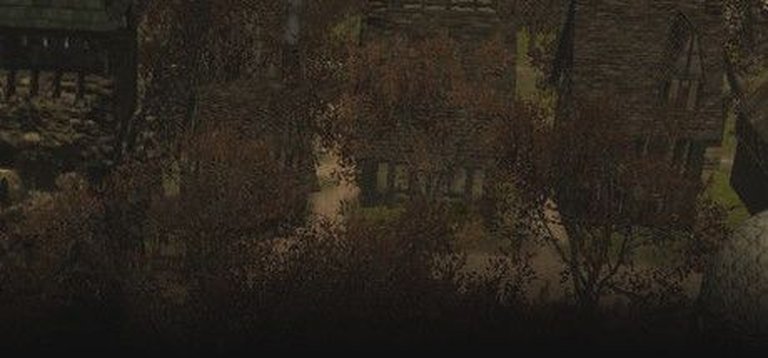
A medieval fantasy sandbox spans forests, ice landscapes, deserts (IndieDB), with Rockshire as a quaint hub. Atmosphere aims epic: mountainside opener evokes desolation-to-purpose. Visuals? Low-poly Unity assets—serviceable GTX 460 fidelity, but textures blur, models clip (screenshots: blocky villages, placeholder foes). Art direction: Gothic-inspired grit, no polish—alpha fog hides seams.
Sound: Stereo card minimalism—no royalty-free score details, likely basic loops. Subtitles/English-German duality fits dev origins, but audio bugs (focus mute?) persist. Collectively, it crafts tentative wonder: biomes shift moods (icy peril, desert mystery), amplifying narrative rebirth. Yet, emptiness betrays ambition—vast but vacant, like a sketchbook page.
Reception & Legacy
Launch: No MobyGames/Metacritic critic scores (“Be the first!”); Steam “Mostly Negative” (23/100 Steambase aggregate). Players praised ambition (“looks like Gothic”), but lambasted bugs, stagnation (“Any updates?”). Community dwindled: 31 Steam threads (pinned bugs/wishlist), 2,900 IndieDB views. Commercial: $1.99 dirt-cheap, low ownership (1 peak concurrent?).
Evolution: 2018 “Dead development?” confirmed silence. Influence? Nil—overshadowed by Kingdoms of Amalur: Re-Reckoning (2020), Elex. Yet, historically vital: Early Access cautionary tale, pre-No Man’s Sky backlash. Echoes in bug-ridden indies; Steam’s 2017 policy shifts (warranties) stemmed from such. Legacy: Obscure relic for preservationists, fodder for “abandoned Steam games” lists.
Conclusion
Journey of the King is the indie RPG equivalent of a half-written novel—stirring prologue, then blank pages. Its development chronicle captures 2014’s gold-rush optimism; narrative hooks promise kingslaying glory; mechanics nod classics amid jank; world whispers vastness. But abandonment (post-2016) renders it unplayable curiosity, not contender.
Final verdict: 3/10. Skip unless dissecting Early Access history—play Gothic or Kingdom Come: Deliverance for realized visions. In video game canon, it’s a footnote: brave spark extinguished, reminding us indie triumphs demand teams, not dreams alone. DigitalWorldEntertainment’s enthusiasm endures in devlogs, but the king’s journey ends prematurely.