
- Release Year: 2001
- Platforms: Windows
- Publisher: Jordan Freeman Group, LLC, Knowledge Adventure, Inc.
- Developer: Knowledge Adventure, Inc.
- Genre: Educational
- Perspective: 3rd-person (Other)
- Game Mode: Single-player
- Gameplay: logic, Math, Point and select, Science
Description
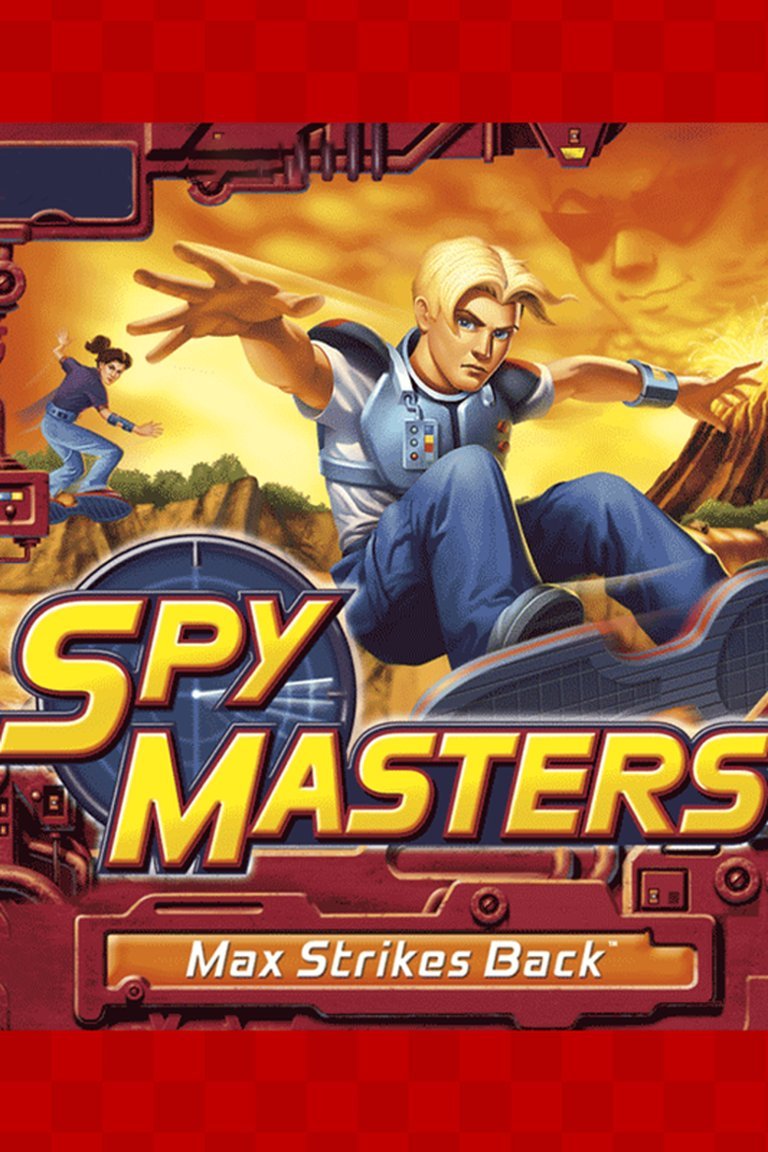
In JumpStart Spy Masters: Max Strikes Back, players engage in a spy-themed educational adventure to counter the schemes of the antagonist Max. This Windows release from 2001 incorporates math, logic, and science challenges within its point-and-select gameplay, set across various espionage missions in a third-person perspective. As part of the JumpStart series, the game combines learning objectives with interactive problem-solving in a fixed-screen environment designed for young players.
Gameplay Videos
JumpStart Spy Masters: Max Strikes Back Free Download
JumpStart Spy Masters: Max Strikes Back Guides & Walkthroughs
JumpStart Spy Masters: Max Strikes Back: Review
Introduction
In the annals of educational gaming, few titles have left as indelible a mark as JumpStart Spy Masters: Max Strikes Back. Released in 2001, this game stands as a testament to the era’s blend of entertainment and learning, a period when the digital revolution was just beginning to infiltrate classrooms. Max Strikes Back is not just a game; it is a cultural artifact that encapsulates the spirit of early 21st-century educational software. This review will delve into the game’s development history, narrative depth, gameplay mechanics, world-building, and its enduring legacy, ultimately arguing that Max Strikes Back is a seminal work in the genre of educational gaming.
Development History & Context
The Studio
JumpStart Spy Masters: Max Strikes Back was developed by Knowledge Adventure, Inc., a company renowned for its educational software. Founded in 1992, Knowledge Adventure quickly established itself as a pioneer in creating engaging and educational games for children. The studio’s commitment to blending fun with learning was evident in their portfolio, which included titles like JumpStart 1st Grade and JumpStart Advanced.
The Creators’ Vision
The creators of Max Strikes Back envisioned a game that would not only teach but also captivate young minds. They aimed to create an immersive experience where players could learn about science, logic, math, and language arts while on a thrilling spy mission. The game’s narrative and gameplay were designed to be both educational and entertaining, ensuring that children would be eager to play and learn.
Technological Constraints of the Era
Released in 2001, Max Strikes Back was developed during a transitional period in gaming technology. The game utilized the Atlas game engine, which allowed for fixed/flip-screen visuals and 3D environments. These technological constraints shaped the game’s visual style and gameplay mechanics, resulting in a unique blend of 2D and 3D graphics. The point-and-select interface was intuitive for the time, making the game accessible to a wide range of players.
The Gaming Landscape
The early 2000s saw a surge in educational gaming, driven by the increasing availability of personal computers in households and schools. Games like JumpStart Spy Masters: Max Strikes Back were part of a broader trend towards using digital media to enhance learning. The educational gaming market was competitive, with titles like Reader Rabbit and The Oregon Trail setting high standards for engagement and educational value. Max Strikes Back stood out in this landscape by offering a unique spy-themed narrative and a rich array of educational content.
Narrative & Thematic Deep Dive
Plot
JumpStart Spy Masters: Max Strikes Back follows the adventures of a young spy tasked with thwarting the nefarious plans of Max Masters and his army of robots. Players assume an undercover alias and embark on a series of missions to stop Max, earning spy gear with each completed mission. The plot is straightforward but engaging, providing a clear structure for the gameplay.
Characters
The game features a cast of memorable characters, each with their own unique personalities and roles. Max Masters, the primary antagonist, is a cunning and resourceful villain who serves as the driving force behind the game’s narrative. The player character, customizable with a unique alias, is the hero of the story, embarking on a journey to save the world from Max’s schemes. Supporting characters include various allies and adversaries encountered throughout the game, each contributing to the story’s depth and complexity.
Dialogue
The dialogue in Max Strikes Back is designed to be both informative and entertaining. Characters speak in a manner that is accessible to the game’s target audience, using language that is age-appropriate and engaging. The dialogue often includes educational content, seamlessly integrating learning into the narrative.
Themes
The game explores several themes, including the importance of intelligence and problem-solving. The spy motif serves as a metaphor for the educational journey, with players using their wits to overcome challenges and complete missions. The game also emphasizes the value of teamwork and collaboration, as players often work with allies to achieve their goals. Additionally, the theme of good versus evil is prevalent, with Max Masters representing the forces of chaos and the player character embodying the virtues of heroism and justice.
Gameplay Mechanics & Systems
Core Gameplay Loops
JumpStart Spy Masters: Max Strikes Back features a series of missions that players must complete to progress through the game. Each mission involves solving puzzles, navigating environments, and engaging in combat with Max’s robotic minions. The gameplay loop is designed to be repetitive but engaging, with each mission offering new challenges and educational content.
Combat
Combat in Max Strikes Back is relatively simple, with players using a variety of gadgets and weapons to defeat enemies. The combat system is designed to be accessible to young players, with a focus on strategy and timing rather than reflexes. Players can use items like the Ultra Power Vest and the Launcher to gain an advantage in battles, adding a layer of depth to the combat mechanics.
Character Progression
As players complete missions, they earn spy gear that can be used to enhance their character’s abilities. This progression system provides a sense of accomplishment and encourages players to continue playing. The gear can be customized and upgraded, allowing players to tailor their character to their preferred playstyle.
UI
The user interface in Max Strikes Back is intuitive and user-friendly, with clear menus and icons that guide players through the game. The point-and-select interface is easy to learn, making the game accessible to players of all skill levels. The UI also includes educational elements, such as pop-up windows that provide information about the game’s educational content.
Innovative or Flawed Systems
One of the game’s innovative features is its use of educational content within the gameplay. Puzzles and challenges often require players to apply knowledge of science, logic, math, and language arts, making the game both entertaining and educational. However, the game’s fixed/flip-screen visuals and 3D environments can feel dated by modern standards, and the combat system may be too simplistic for some players.
World-Building, Art & Sound
Setting
JumpStart Spy Masters: Max Strikes Back takes place in a variety of environments, including an eerie pirate ship, a submerged secret lab, and other exotic locations. These settings are designed to be both visually appealing and educational, with each environment offering unique challenges and learning opportunities.
Atmosphere
The game’s atmosphere is one of excitement and adventure, with a sense of urgency and danger that drives the narrative forward. The use of spy-themed elements, such as gadgets and secret missions, adds to the game’s immersive quality. The atmosphere is further enhanced by the game’s soundtrack and sound effects, which create a sense of tension and excitement.
Visual Direction
The visual style of Max Strikes Back is a blend of 2D and 3D graphics, reflecting the technological constraints of the era. The fixed/flip-screen visuals and 3D environments are well-integrated, creating a cohesive and engaging visual experience. The game’s art direction is colorful and vibrant, with a focus on creating visually appealing environments and characters.
Sound Design
The sound design in Max Strikes Back is effective in creating an immersive atmosphere. The soundtrack features upbeat and energetic music that complements the game’s spy theme. Sound effects are used to enhance the gameplay experience, with realistic sounds for actions like combat and puzzle-solving. The voice acting is clear and engaging, with characters speaking in a manner that is accessible to the game’s target audience.
Reception & Legacy
Critical and Commercial Reception
Upon its release, JumpStart Spy Masters: Max Strikes Back received mixed reviews from critics. While the game was praised for its educational content and engaging narrative, some reviewers criticized its dated visuals and simplistic combat system. Despite these criticisms, the game was a commercial success, selling well and establishing itself as a popular title in the educational gaming genre.
Evolution of Reputation
Over the years, the reputation of Max Strikes Back has evolved. The game is now seen as a classic of the educational gaming genre, with many players fondly remembering it as a formative experience in their gaming and educational journeys. The game’s legacy is further cemented by its influence on subsequent educational games, which often draw inspiration from its blend of entertainment and learning.
Influence on Subsequent Games and the Industry
JumpStart Spy Masters: Max Strikes Back has had a significant impact on the educational gaming industry. Its innovative use of educational content within the gameplay has influenced many subsequent titles, which often strive to achieve a similar balance of entertainment and learning. The game’s spy theme and immersive narrative have also inspired other educational games, which often feature engaging stories and unique settings.
Conclusion
JumpStart Spy Masters: Max Strikes Back is a seminal work in the genre of educational gaming. Its blend of entertainment and learning, engaging narrative, and innovative gameplay mechanics make it a standout title in the educational gaming canon. Despite its dated visuals and simplistic combat system, the game’s educational content and immersive atmosphere ensure that it remains a beloved and influential title. Max Strikes Back is more than just a game; it is a cultural artifact that encapsulates the spirit of early 21st-century educational software. Its legacy continues to inspire and influence the educational gaming industry, making it a timeless classic that deserves recognition and celebration.