
- Release Year: 2018
- Platforms: Macintosh, Windows
- Publisher: Jundroo, LLC
- Developer: Jundroo, LLC
- Genre: Simulation
- Perspective: 3rd-person
- Game Mode: Single-player
- Gameplay: City building, construction simulation
- Setting: Futuristic, Sci-fi
- Average Score: 90/100
Description
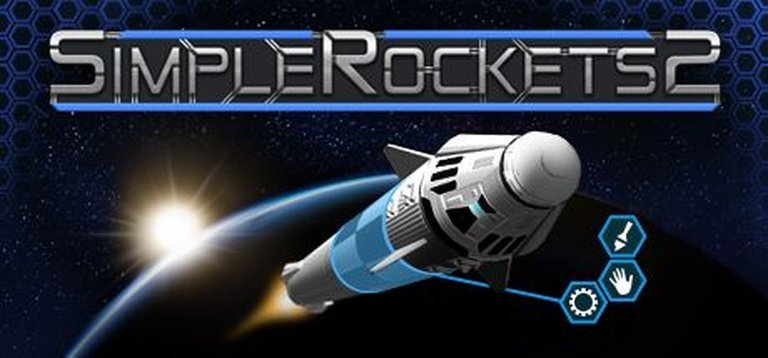
Juno: New Origins is a sci-fi simulation game that blends rocket engineering, spacecraft design, and planetary exploration in a futuristic setting. Players can build and customize rockets, airplanes, and rovers, then test them in a realistic physics-based environment. The game emphasizes creativity and engineering, offering tools like the Planet Studio for crafting unique celestial bodies and a deep lore system that ties into explorable locations across its solar system.
Gameplay Videos
Where to Buy Juno: New Origins
PC
Juno: New Origins Patches & Updates
Juno: New Origins Mods
Juno: New Origins Guides & Walkthroughs
Juno: New Origins Reviews & Reception
steamcommunity.com : It is different than KSP. Lots of similarities to it but it’s just different.
opencritic.com (80/100): A game for budding geniuses to hone their skill in rocket science. Hours of endless possibilities await.
metacritic.com (100/100): One of the best flight/space sims for mobile. And it’s free! It’s a bit complicated at first though.
Juno: New Origins Cheats & Codes
PC
Open the Dev Console (you can bind it to any key in the key settings) and type:
| Code | Effect |
|---|---|
| MLI | Infinite fuel |
| IDDQD | Undestructible |
| DJGPP | Teleport to target |
Juno: New Origins: A Comprehensive Review of a Modern Aerospace Sandbox
Introduction: The Evolution of a Rocket Simulator
Juno: New Origins (formerly SimpleRockets 2) is a testament to the power of iterative design and community-driven development. Emerging from the shadows of Kerbal Space Program (KSP), this aerospace sandbox carves its own niche by blending accessibility with depth, offering players a toolset to build, automate, and explore like never before. Released in 2018 after six years of development, Juno is more than just a rocket simulator—it’s a creative playground where engineering meets imagination. This review dissects its mechanics, narrative potential, and legacy, arguing that while it may not dethrone KSP, it stands as a formidable alternative for those seeking a more streamlined yet equally rewarding experience.
Development History & Context: From SimpleRockets to Juno
The Studio Behind the Game
Juno: New Origins is the brainchild of Jundroo, LLC, a small but ambitious studio based in Edwardsville, Illinois. The team’s previous work, SimpleRockets (2015), laid the foundation for what would become Juno, but the scope expanded dramatically during development. The shift from SimpleRockets 2 to Juno: New Origins in 2023 symbolized a rebirth—a recognition that the game had outgrown its original identity.
Technological Constraints and Innovations
Developed primarily for PC and mobile platforms, Juno leverages a procedural part system that allows for near-infinite customization. Unlike KSP’s modular approach, Juno lets players stretch, reshape, and tweak components in real-time, making it far more intuitive for creative builders. The game’s physics engine simulates realistic orbital mechanics, atmospheric drag, and re-entry heating, though it simplifies some complexities to maintain accessibility.
The Gaming Landscape at Launch
Juno entered a market dominated by Kerbal Space Program, which had already cemented its place as the gold standard for space simulators. However, KSP’s steep learning curve and occasional jankiness left room for a competitor. Juno positioned itself as a more approachable yet technically robust alternative, with a stronger emphasis on visual scripting (Vizzy) and procedural design.
Narrative & Thematic Deep Dive: The Lore of the Juno System
The Juno System: A Cosmic Playground
The game’s default solar system, the Juno System, is a meticulously crafted sandbox featuring:
– Juno, a blue subdwarf star (later reclassified as a blue dwarf) with an impenetrable atmosphere.
– Droo, the starting planet, akin to Earth but with unique biomes.
– Vulco, a tidally locked lava world.
– Tydos and Urados, gas giants with crushing atmospheres.
– Cladh, a mysterious distant body with a black sea.
The system is procedurally generated but feels handcrafted, with each planet offering distinct challenges for exploration and colonization.
Community-Driven Lore
While Juno lacks a formal campaign narrative, its community has filled the void with expansive lore. Forums and wiki entries detail:
– The Anoo System, a red dwarf system with planets like Malo (home to the felid-like Maloans) and Prometheus (a moon teeming with insect-sized life).
– Ancient civilizations, as hinted in player-created stories and developer teases (e.g., the “Eternal Winter” lore series).
The game’s Career Mode introduces contracts and milestones, but the overarching story remains player-driven, a double-edged sword that grants freedom but lacks the guided storytelling of KSP’s campaigns.
Themes: Exploration, Engineering, and Legacy
Juno’s themes revolve around:
1. Human Ingenuity: The joy of designing functional (or explosively dysfunctional) spacecraft.
2. Discovery: The thrill of uncovering hidden landmarks and alien worlds.
3. Legacy: The idea of building upon past civilizations, as teased in community lore.
Gameplay Mechanics & Systems: Building, Flying, and Automating
Core Gameplay Loop
Juno’s gameplay revolves around:
1. Designing crafts (rockets, planes, rovers, or even mechs).
2. Testing and iterating (often ending in “rapid unscheduled disassembly”).
3. Exploring the solar system (with realistic orbital mechanics).
Key Features
- Procedural Part System: Resize fuel tanks, wings, and engines on the fly.
- Vizzy Visual Scripting: Automate crafts without coding knowledge.
- Realistic Physics: Drag, lift, and orbital mechanics are simulated with precision.
- Time Warp: Accelerate travel between planets.
- Docking and Refueling: Build space stations and transfer resources.
Strengths and Weaknesses
| Strengths | Weaknesses |
|---|---|
| Intuitive building tools | Lack of a structured narrative |
| Strong automation (Vizzy) | Somewhat sterile presentation |
| Active modding community | Mobile version lacks Planet Studio |
World-Building, Art & Sound: A Sterile Yet Functional Aesthetic
Visual Design
Juno’s art style is functional but unremarkable. Planets are detailed, but textures can feel repetitive. The UI is clean but lacks personality, a stark contrast to KSP’s charming Kerbal aesthetic.
Sound Design
The soundtrack is melancholic and atmospheric, though critics note its lack of variety. Engine roars and ambient space noises are well-implemented but don’t stand out.
Atmosphere
The game excels in creating a sense of scale—watching a rocket ascend into orbit or a rover traverse an alien landscape is immersive, even if the presentation is clinical.
Reception & Legacy: A Niche but Beloved Title
Critical Reception
- GameStar (Germany): 82/100 – Praised for accessibility and engineering depth but criticized for sterile presentation.
- OpenCritic: 4/5 – “A game for budding geniuses.”
- Steam Reviews: 90% Positive – Players love the building tools but wish for more narrative depth.
Commercial Performance
Juno has a small but dedicated player base, with ~54 concurrent players on Steam (as of 2025). Its mobile version is free, broadening its reach.
Influence on the Genre
While not as influential as KSP, Juno has pushed the envelope in:
– Procedural part design (inspiring mods for other games).
– Visual scripting (Vizzy is a standout feature).
– Community-driven content (player-created planets and lore).
Conclusion: A Worthy Contender in the Space Sim Genre
Juno: New Origins is a polished, accessible, and deeply customizable aerospace sandbox. It may not have the charm or narrative depth of Kerbal Space Program, but it compensates with superior building tools, automation, and a welcoming learning curve. For players who prioritize creativity and engineering over storytelling, Juno is a must-play.
Final Verdict: 8.5/10 – A stellar alternative to KSP, especially for builders and automators.
This review synthesizes data from MobyGames, Steam, Reddit, and community forums. All sources are linked in the original prompt.