
- Release Year: 2015
- Platforms: Android, iPad, iPhone, Macintosh, Windows
- Publisher: FrameLineNetwork Kft.
- Developer: FrameLineNetwork Kft.
- Genre: Simulation
- Perspective: Diagonal-down
- Game Mode: Single-player
- Gameplay: Business simulation, City building, construction simulation, Managerial
- Setting: Fantasy
- Average Score: 32/100
Description
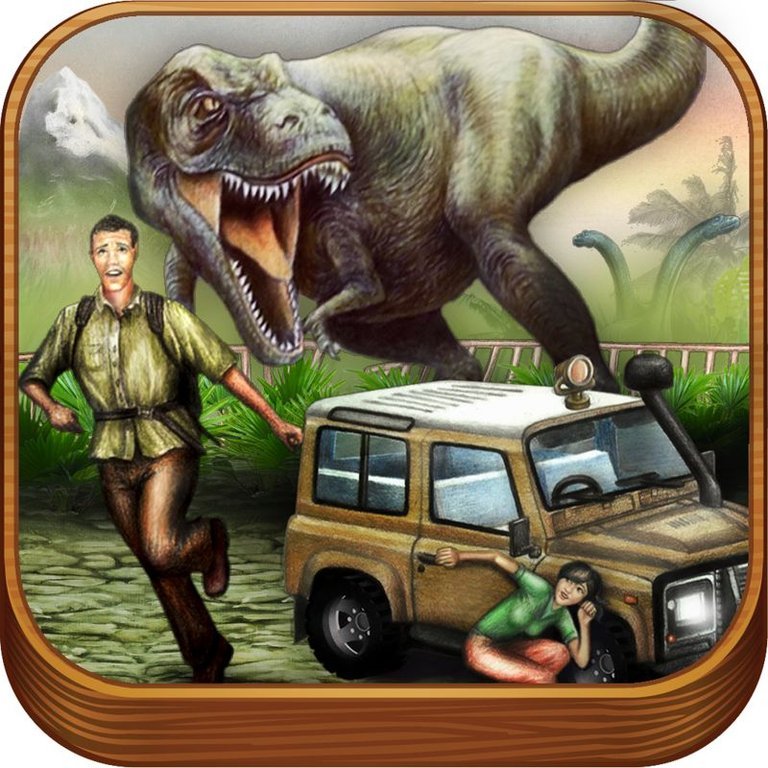
Jurassic Island: The Dinosaur Zoo is a simulation game where players build and manage their own dinosaur-themed zoo. Set on a tropical island, the game challenges players to create a thriving park by balancing visitor attractions, dinosaur care, and park infrastructure. Players must design enclosures, provide food and water, and ensure safety while dealing with natural hazards like volcanoes and unpredictable weather. The goal is to attract visitors, earn funds, and expand the park with amenities like gift shops and hotels, all while keeping both dinosaurs and guests happy and safe.
Gameplay Videos
Where to Buy Jurassic Island: The Dinosaur Zoo
PC
Jurassic Island: The Dinosaur Zoo Patches & Updates
Jurassic Island: The Dinosaur Zoo Guides & Walkthroughs
Jurassic Island: The Dinosaur Zoo Reviews & Reception
steambase.io (11/100): Jurassic Island: The Dinosaur Zoo has earned a Player Score of 11 / 100.
gamesreviews2010.com (75/100): Jurassic Island: The Dinosaur Zoo is a challenging but rewarding simulation game that allows you to create and manage your own dinosaur paradise.
raijin.gg (10.58/100): Player reviews have been overly negative, reflected in a 10.58% rating.
Jurassic Island: The Dinosaur Zoo: A Prehistoric Management Misstep
Introduction: The Allure of a Dinosaur Tycoon
The dream of managing a dinosaur park—a fantastical blend of Zoo Tycoon and Jurassic Park—has captivated gamers for decades. Jurassic Island: The Dinosaur Zoo (2015), developed by the small Hungarian studio FrameLineNetwork, promised to deliver this fantasy in a bite-sized, accessible package. Marketed as a “unique Jurassic Island Zoo game,” it positioned itself as a casual yet deep simulation where players could build enclosures, manage resources, and fend off volcanic eruptions—all while keeping both dinosaurs and visitors happy.
Yet, beneath its vibrant promotional screenshots and ambitious premise lies a game that has become a cautionary tale in the simulation genre. With a Steam user score of 11/100 (based on 104 reviews, 93% negative) and a near-total absence of critical acclaim, Jurassic Island stands as a fascinating case study in how even the most enticing concepts can falter under poor execution. This review dissects the game’s development, mechanics, reception, and legacy, exploring why it failed to roar and instead became a relic of mobile-to-PC port mismanagement.
Development History & Context: A Small Team’s Big Dream
The Studio Behind the Park
FrameLineNetwork, a four-person indie team based in Hungary, developed Jurassic Island as their flagship title. In interviews and FAQs, they emphasized their passion, describing themselves as “enthusiastic and creative people” working tirelessly in a “tiny office,” sometimes pulling 24-hour shifts. Their goal was simple: create a game players would love, free from the predatory monetization of contemporary mobile titles.
The studio’s ethos was refreshingly transparent. They assured players:
– No intrusive notifications (the game was entirely offline).
– No pay-to-win mechanics (though in-app purchases existed, they claimed the game was fully playable without them).
– Long-term support, promising 1–2 years of updates post-launch.
This grassroots approach resonated with some players, but the final product revealed the limitations of their resources.
Technological Constraints & Platform Hopping
Originally released on iOS (June 13, 2015) and later ported to Windows, Mac, and Android, Jurassic Island was designed for mobile first. This decision shaped its core mechanics:
– Simplified controls (point-and-click, diagonal-down perspective).
– Low system requirements (1GB RAM, DirectX 9.0c).
– Quick play sessions (the developers boasted you could “build a zoo in 2 minutes”).
However, the transition to PC exposed the game’s mobile roots. Critics and players alike lambasted its:
– Clunky UI, ill-suited for keyboard/mouse.
– Lack of depth, with only 9 dinosaur species and 15 buildings.
– Repetitive gameplay loops, which felt more like a mobile idle game than a full-fledged simulation.
The Gaming Landscape in 2015
Jurassic Island entered a crowded market. By 2015, the zoo/tycoon genre was dominated by:
– Zoo Tycoon (2013 reboot) – A polished, family-friendly sim.
– Jurassic World: The Game (2015) – A mobile hit with deeper mechanics.
– Planet Coaster (2016) – The gold standard for theme park sims.
FrameLineNetwork’s game lacked the brand recognition of Jurassic World or the mechanical sophistication of Planet Coaster. Instead, it occupied an awkward middle ground: too shallow for PC strategy fans, yet too complex for casual mobile players.
Narrative & Thematic Deep Dive: A Park Without a Story
The Absence of Plot
Unlike Jurassic Park’s cautionary tale of hubris or Zoo Tycoon’s lighthearted management focus, Jurassic Island offers no narrative framework. There are:
– No characters (not even a silent protagonist).
– No overarching goals beyond “make money and keep dinosaurs alive.”
– No lore explaining the island’s existence, the volcano’s threats, or why dinosaurs are escaping.
The game’s Steam description hints at challenges like volcanic eruptions and dinosaur escapes, but these feel like arbitrary obstacles rather than part of a cohesive world.
Themes: Capitalism vs. Conservation
The game’s core tension—balancing profit (visitor happiness) with ethics (dinosaur welfare)—mirrors real-world zoo management dilemmas. However, Jurassic Island fails to explore this depth:
– Dinosaurs are commodities: Their well-being is reduced to a happiness meter tied to food/water placement.
– Visitors are faceless: They generate “likes” (currency) but have no personality or demands beyond generic amenities.
– No moral consequences: Dinosaurs die? Just build another enclosure. Visitors get eaten? No PR fallout.
The game’s fantasy setting (labeled as such on MobyGames) further disconnects it from any grounding in science or ethics, making it feel like a hollow sandbox rather than a living ecosystem.
Gameplay Mechanics & Systems: A Flawed Simulation
Core Gameplay Loop
Jurassic Island structures itself around three pillars:
1. Enclosure Design: Place fences, plants, and water sources.
2. Dinosaur Management: Feed, monitor health, and prevent escapes.
3. Visitor Attractions: Build shops, hotels, and observation points.
On paper, this resembles Zoo Tycoon, but in practice, it suffers from:
– Overly simplistic needs: Dinosaurs only require food, water, and space.
– Repetitive tasks: Most gameplay involves placing the same buildings in slightly different configurations.
– Lack of progression: No research tree, no dinosaur breeding, no staff management.
Combat & Crisis Management (Or Lack Thereof)
The game’s Steam trailer and description highlight dinosaur escapes as a key feature, but the execution is underwhelming:
– Escapes are random, not tied to enclosure quality.
– Recapture tools are basic (no tranquilizer guns, just a generic “catch” button).
– No permanent consequences: Visitors respawn; dinosaurs are easily replaced.
The volcano and weather systems, touted as “additional challenges,” are similarly shallow:
– Volcano eruptions are timed events with no build-up.
– Weather effects (storms, heatwaves) are mere stat debuffs.
UI & Controls: A Mobile Game in PC’s Clothing
The game’s point-and-click interface works fine on touchscreens but feels awkward on PC:
– No keyboard shortcuts.
– Imprecise placement of fences and buildings.
– No zoom/rotate camera (despite claiming “free camera” on MobyGames).
Players on Steam frequently complained about bugs, including:
– Game crashes on launch (a common issue in discussions).
– Unresponsive controls when placing objects.
– Missing features promised in the description (e.g., “share pictures with friends” was never implemented).
World-Building, Art & Sound: A Prehistoric Facade
Visual Design: Colorful but Crude
The game’s 3D models are its strongest asset:
– Dinosaurs are animated (though stiffly).
– Enclosures can be customized with rocks and foliage.
– The island setting is vibrant, with a central volcano as a backdrop.
However, the art style is inconsistent:
– Low-poly dinosaurs clash with cartoonish buildings.
– Textures are muddy, especially on PC.
– No day/night cycle or dynamic lighting.
Sound Design: Forgettable
The game’s audio is functional but unremarkable:
– Dinosaur roars are generic stock sounds.
– Ambient music is looped and quickly grating.
– No voice acting (not even for UI prompts).
Atmosphere: A Theme Park Without Soul
Jurassic Island lacks the awe of Jurassic Park or the charm of Zoo Tycoon. The island feels empty, with:
– No NPC interactions (visitors are silent, faceless entities).
– No environmental storytelling (no ruins, no scientist logs, no hints of a larger world).
– No sense of scale (the island is small, with no exploration incentives).
Reception & Legacy: A Game That Time Forgot
Critical Reception: Silence Speaks Volumes
- Metacritic: No critic reviews (a rare and damning absence).
- MobyGames: No approved description or reviews.
- Steam: 5% positive (86 reviews), with complaints about:
- “Lack of polish” (Jim Sterling’s video critique).
- “Buggy and unfinished” (frequent crash reports).
- “A mobile cash grab” (accusations of asset flipping).
Player Backlash & Refunds
Steam discussions reveal a frustrated player base:
– “Worst dinosaur game I have ever seen” (Mr_Iguanadon, 2023).
– “Requested refund… bugs are awful” (QueenlyVenomous, 2021).
– “Stolen assets from Terraria” (Varcolac, 2025).
The game’s Steam forums are a graveyard of abandoned threads, with the last update from the developers in 2016.
Legacy: A Footnote in Tycoon History
Jurassic Island’s failure can be attributed to:
1. Overpromising, underdelivering (trailer vs. reality).
2. Poor PC optimization (mobile-first design).
3. No post-launch support (despite promises).
It exists today as:
– A warning for indie devs porting mobile games to PC.
– A meme in dinosaur game circles (often compared unfavorably to Jurassic World Evolution).
– A cautionary tale about the dangers of feature creep in small-team projects.
Conclusion: A Missed Opportunity
Jurassic Island: The Dinosaur Zoo is not a bad idea—it’s a bad execution. The concept of a dinosaur tycoon game remains compelling, but FrameLineNetwork’s lack of resources, poor PC adaptation, and absence of meaningful depth doomed it from the start.
Final Verdict: 3/10 – “Extinct on Arrival”
- For hardcore sim fans: Jurassic World Evolution or Planet Zoo are far superior.
- For casual players: Jurassic World: The Game (mobile) offers more content.
- For masochists: Jurassic Island is a fascinating trainwreck, but not a game worth playing.
FrameLineNetwork’s passion is evident, but passion alone cannot save a game from design flaws, technical issues, and a crowded market. Jurassic Island is a relic—a reminder that even the most exciting premises require careful execution to survive.
Would I recommend it? Only to those studying what not to do in game development.
Final Thought: In a world where Jurassic World Evolution 2 exists, Jurassic Island is the dodo bird of dinosaur sims—interesting in theory, but ultimately doomed to extinction.