
- Release Year: 2022
- Platforms: Macintosh, Windows
- Publisher: YRS TRULY LTD
- Developer: YRS TRULY LTD
- Genre: Adventure
- Perspective: 1st-person
- Game Mode: Single-player
- Gameplay: Visual novel
- Setting: Fantasy
- Average Score: 65/100
Description
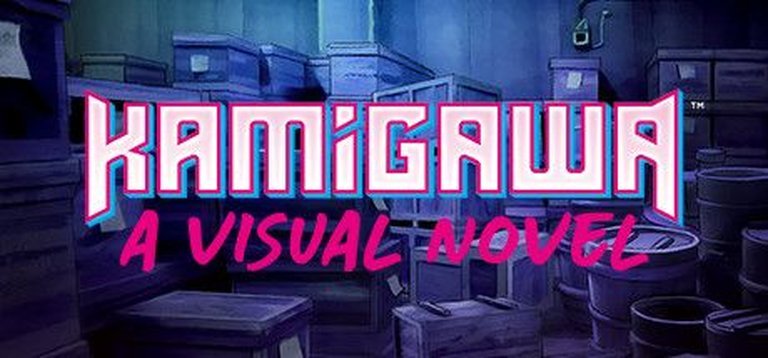
Kamigawa: A Visual Novel is an interactive story set in the neon-futuristic fantasy world of Magic: The Gathering’s Kamigawa: Neon Dynasty plane, where players assume the role of an Imperial Samurai on a critical mission. Journey through the dark alleys of Sokenzanshi and the bustling streets of Towashi with companions like Touma, Rei, and Asuga, bond with evolving kami spirits influenced by player choices, encounter nezumi, moonfolk, and cameo appearances from real-world personalities, all while decisions shape diplomacy, relationships, and the fate of the world.
Gameplay Videos
Kamigawa: A Visual Novel Reviews & Reception
steambase.io (65/100): This score is calculated from 23 total reviews which give it a rating of Mixed.
Kamigawa: A Visual Novel: Review
Introduction
In the neon-drenched shadows of Towashi’s towering spires and the molten forges of Sokenzanshi, where ancient kami spirits clash with cybernetic marvels, Kamigawa: A Visual Novel emerges as a bold digital bridge between Magic: The Gathering’s storied card game universe and the intimate medium of interactive fiction. Released in February 2022 as a free promotional tie-in to Wizards of the Coast’s Kamigawa: Neon Dynasty set, this Ren’Py-powered visual novel invites players to embody an Imperial Samurai on a world-shaping mission, their choices rippling through bonds with companions and evolving kami allies. Drawing from Kamigawa’s rich 1,200-year evolution—from the Kami War’s cataclysmic rupture between mortal and spirit realms to a cyberpunk fusion of tradition and innovation—this game is more than fan service; it’s a historiography of a plane reborn. My thesis: Kamigawa: A Visual Novel masterfully distills MTG’s lore into a choice-driven odyssey that humanizes its mythic scope, cementing its place as an essential, if understated, artifact in transmedia storytelling for tabletop giants.
Development History & Context
YRS TRULY LTD, a nimble indie studio specializing in narrative-driven experiences, spearheaded Kamigawa: A Visual Novel under the creative direction of MJ Widomska, with narrative design and writing by Benjamin Sabin and Teri Murkin. Programming fell to Ido Yehieli, while Inko Ai Takita handled character design and art, Chen-Long Chung refined character visuals, João Victor G. Costa painted evocative backgrounds, and Cedre Pradier crafted the UI. Matt Farthing composed the score, with QA from Kam Slowik, Bianca Fogah, and John Lloyd. Notably, cultural sensitivity consultant Megumi Jinno ensured respectful handling of Kamigawa’s Japanese-inspired mythology, a nod to the plane’s roots in feudal Japan reimagined through MTG’s lens.
The game’s February 18, 2022, launch on Windows (and Macintosh via itch.io and Steam) aligned precisely with Neon Dynasty‘s street date, positioning it as Wizards’ first interactive visual novel for Kamigawa. This era’s gaming landscape was dominated by sprawling open-world epics and live-service behemoths, but visual novels—exemplified by titles like Doki Doki Literature Club or Steins;Gate—were surging in accessibility via platforms like Steam and itch.io. Technological constraints were minimal; Ren’Py’s lightweight engine enabled branching narratives without AAA budgets, allowing focus on art and script. YRS TRULY’s vision, blessed by WotC collaborators like Graham Murphy and Jin-A Shim (credited in thanks), was to democratize Kamigawa’s lore post-Neon Dynasty‘s hype cycle, which included anime trailers, manga, and sagas chronicling the plane’s history from Michiko Konda’s reign to Boseiju’s skyward defiance. Amid MTG’s pivot to digital (Arena, crossovers), this VN filled a gap: playable immersion in a plane once critiqued for cultural opacity in its 2004 block, now revitalized with cyberpunk flair to appeal to modern audiences weary of endless grinds.
Narrative & Thematic Deep Dive
At its core, Kamigawa: A Visual Novel thrusts players into the boots of a nameless Imperial Samurai tasked with probing unstable “merges”—ruptures blending Kamigawa’s mortal Utsushiyo and spirit Kakuriyo realms, echoing the Kami War’s legacy. Journeys span Sokenzanshi’s forge-lit underbelly and Towashi’s perpetual neon twilight, encountering a vibrant tapestry: stoic Imperial Samurai Touma, fiery Rei of the Hisaku (Asari) Uprisers, serene Asuga of the Order of Hanami (a reimagined Jukai monks), sly nezumi Itachi slinging noodles, and enigmatic moonfolk (soratami) lurkers. Choices dictate party composition—solo with a loyal Imperial comrade or a full ensemble—and sculpt your bonded kami, which morphs from ethereal ally to formidable evolution based on diplomacy versus intimidation, sympathy versus hostility.
Thematically, it interrogates Kamigawa’s dialectic: tradition versus progress. Post-Kami War (thousands of years prior), Michiko’s truth-healed empire endured the Shattered States Era’s civil strife, Enlightenment’s merge gates welcoming kami, and modernity’s tech boom via akki enhancers and Kindai (Saiba) Futurists. Neon Dynasty’s shadow looms—Tezzeret’s Phyrexian incursions, the Wanderer’s exile, Tamiyo’s compleation—infusing urgency. Player agency mirrors lore figures like Kaito Shizuki: a ninja torn between Eiganjo loyalty and futurist empathy. Dialogue crackles with MTG authenticity, weaving cameos (Kero Kero Bonito as a band, streamers like Sweet Anita) into side quests that humanize the plane’s “vibrant population.” Subtle lore nods abound—Kyodai’s male pronouns (a dev quirk?), faction renames like Hisoku Uprisers—rewarding vorthos while onboarding newcomers. Branching paths yield multiple endings, where hubris dooms merges or harmony stabilizes them, underscoring themes of interconnection: mortals, kami, tech as symbiotic forces. Flaws? Pacing occasionally frontloads exposition, and absent MTG’s main plot (Kaito’s quest), it feels vignette-like—but its emotional core, bonds forged in neon and shadow, elevates it to poignant lore vessel.
Gameplay Mechanics & Systems
As a pure visual novel, Kamigawa eschews combat for narrative loops: advance text → choose dialogue/action → branch outcomes → evolve relationships/kami. Core systems hinge on choice matrices—diplomatic/intimidating tones alter companion affinity (e.g., Rei warms to aggression, Asuga to empathy), unlocking party synergies or solo perks. Your kami bond is innovative: decisions infuse it with traits (e.g., sympathy yields restorative powers, hostility aggressive evolutions), manifesting in key scenes as spectral aids—visualized flips akin to Neon Dynasty sagas’ fan mechanics.
UI is menu-driven, Ren’Py-standard: clean flipscreen perspectives with save/load hotspots, gallery for unlocked CGs, and replays. No progression grind; playtime clocks 2-4 hours across branches, with second-person immersion (“You draw your blade…”). Strengths: reactive world—nezumi bar yields intel via bartering minigames (choice-based haggles), Towashi tails moonfolk via timing prompts. Flaws: limited replay hooks beyond achievements (Steam-integrated), and no voice acting narrows emotional beats. Still, for MTG fans, it’s a gateway: choices echo deckbuilding agency, kami evolutions mimic mythic synergies. Verdict: Elegant, lore-faithful systems that prioritize story potency over gimmicks.
World-Building, Art & Sound
Kamigawa pulses with lived-in fusion: Towashi’s cyber-slums bustle under Boseiju’s colossal canopy, Sokenzanshi’s volcanic merges birth hybrid horrors. Art excels—Inko Ai Takita’s characters blend ukiyo-e elegance with mecha accents (Touma’s armored poise, Rei’s punk scars); Chen-Long Chung’s portraits shimmer with kami auras. Backgrounds by João Victor G. Costa evoke Studio Ghibli grit: neon ramen stalls, fog-shrouded forges, eternal dusk amplifying isolation. Fixed/flip-screen visuals heighten intimacy, CG unlocks (e.g., kami evolutions) reward exploration.
Sound design immerses: Matt Farthing’s OST fuses taiko percussion, shamisen wails, and synth pulses—merging Champions-era mysticism with Neon Dynasty electronica. Ambient layers (distant forges, spirit whispers) build tension; no VA keeps focus on text, though subtitles multitongue (English, German, Spanish, French, Italian). These elements synergize: visuals honor lore (merge gates, patron kami), sound evokes kami war scars, crafting an atmosphere where tech democratizes power yet risks spiritual commodification—a microcosm of Kamigawa’s soul.
Reception & Legacy
Launch reception was muted: MobyGames lists no critic scores, Steam garners a “Mixed” 65/100 from 23 reviews (praise for free lore access, gripes on brevity/short branches). VNDB tags it “Safe/Tame” with cyberpunk/samurai vibes, but zero votes underscore niche appeal. MTG communities lauded it as promo gold—itch.io downloads spiked with prereleases—yet broader gamers overlooked it amid Elden Ring‘s shadow.
Legacy endures in MTG’s multimedia pivot: first VN for Kamigawa, it influenced Alchemy: Kamigawa’s digital-native cards and fan mods. By making Neon Dynasty playable, it humanized lore once gated by novels (Champions Cycle) or sagas, paving for AR games (shuttered post-launch) and manga. For historians, it’s a snapshot of 2022 transmedia—WotC’s collab model yielding free, faithful extensions. Influence ripples: boosted VN adoption in TCGs, echoed in Universes Beyond narratives.
Conclusion
Kamigawa: A Visual Novel is a luminous shard in MTG’s multiverse mosaic: concise yet profound, blending cyber-samurai spectacle with choice-wrought depth. Its exhaustive lore fidelity, stellar art, and thematic heft outweigh minor pacing hiccups, securing an enduring niche for vorthos and VN aficionados. Definitive verdict: A must-experience relic in video game history—not a masterpiece, but a pioneering testament to how indie craft can illuminate tabletop titans. Score: 8.5/10. Download it free; journey to Kamigawa awaits.