
- Release Year: 2010
- Platforms: iPhone, Windows
- Publisher: Namco Networks America Inc.
- Developer: Megadev
- Genre: Action, Puzzle, RPG
- Perspective: Side view
- Game Mode: Single-player
- Gameplay: Item Trading, Puzzle-solving
- Setting: Fantasy
- Average Score: 78/100
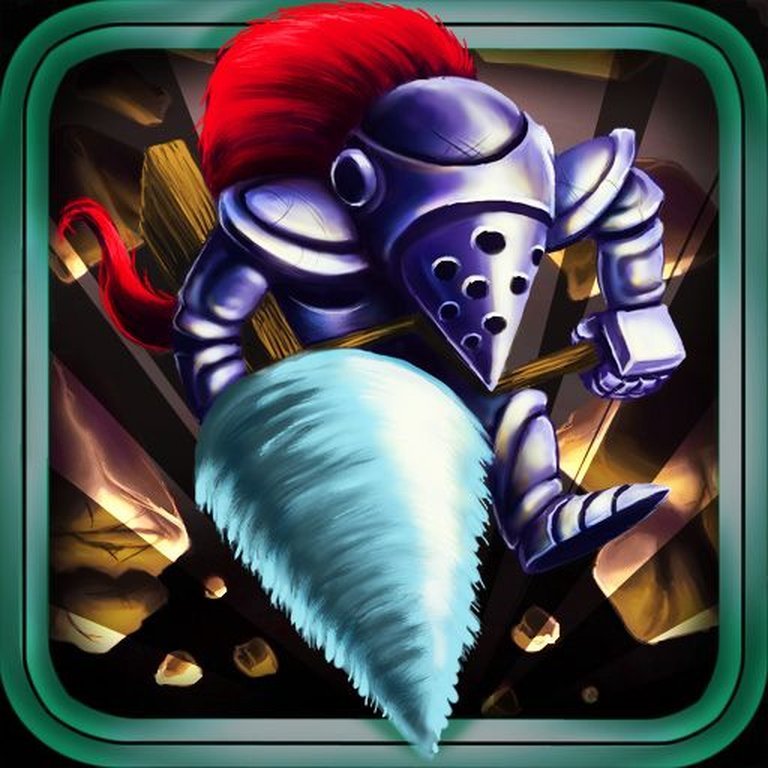
Description
Knightfall: Death and Taxes is a freemium puzzle adventure set in a whimsical fantasy world where Knight and Princess must reclaim their stolen fortune from thieves and evade the clutches of the enigmatic ‘Taxman’. Featuring over 100 addictive stages, players solve puzzles by drilling through blocks and rotating rooms to escape, while upgrading gear and abilities via village shops. The game offers optional DLC packs like ‘The Noble Quests’ and ‘The Rewards of Bravery’ to expand the story-driven experience.
Gameplay Videos
Knightfall: Death and Taxes Reviews & Reception
jayisgames.com (84/100): Fans of puzzle adventures rejoice! Knightfall: Death and Taxes, the third installment in Megadev’s popular match-3/RPG hybrid series has finally arrived.
mobygames.com (72/100): Players Average score: 3.6 out of 5 (based on 1 ratings with 0 reviews)
Knightfall: Death and Taxes: The Puzzle-RPG Hybrid That Drilled Its Way Into History
Introduction
In an era where free-to-play mobile games were rapidly evolving from novelty to industry staple, Knightfall: Death and Taxes emerged as a polished gem in Megadev’s cult-favorite series. Released in 2010 for Windows and iOS, this freemium puzzler-RPG hybrid captivated players with its addictive blend of block-matching strategy, character progression, and absurdist medieval humor. This review argues that Knightfall: Death and Taxes represents the zenith of its series—a refinement of its predecessors’ strengths that innovated within its constraints, even as it stumbled in narrative cohesion and navigation. More than a relic of Flash gaming’s twilight, it remains a case study in how to execute a niche genre fusion with style.
Development History & Context
The Visionaries Behind the Drill
Developed by UK-based indie studio Megadev and published by Namco Networks America, Death and Taxes was helmed by a lean team of veterans. Mike Tucker (code and design), Jon Davies (pixel art), and Nick Parton (audio/story) spearheaded the project, building on the foundation of 2008’s Knightfall and its sequel. Their goal was clear: expand the series’ scope while retaining the core gameplay that endeared it to fans of puzzle-RPG hybrids like Puzzle Quest.
Technological and Market Constraints
Launched during the peak of Flash gaming and the rise of iOS freemium models, Death and Taxes navigated a fractured landscape. The team leveraged Adobe Flash for browser demos while adapting to mobile’s nascent in-app purchase system—a dual-release strategy ahead of its time. However, technical limitations plagued early builds, such as Flash Player crashes on PC (as noted in player feedback) and iOS hardware constraints that restricted visual complexity. Despite this, the team prioritized cross-platform accessibility, offering free starter tiers with paid DLC expansions—a monetization model still rare in 2010 outside of MMOs.
The Gaming Landscape of 2010
The game debuted alongside giants like Angry Birds and Cut the Rope, yet carved a niche by marrying RPG depth to casual-friendly mechanics. Megadev’s insistence on SNES-inspired pixel art and handcrafted puzzles contrasted sharply with the era’s trend toward minimalistic mobile design. This commitment to retro aesthetics and systemic depth positioned Death and Taxes as a bridge between hardcore puzzle fans and the burgeoning casual market.
Narrative & Thematic Deep Dive
A Tale of Theft and Bureaucratic Villainy
The plot opens with Knight and Princess—series protagonists now living in domestic bliss—awakening to find their gold pile stolen by thieves. This catapults them into a quest to reclaim their wealth while evading the enigmatic Taxman, a bureaucratic antagonist symbolizing societal greed. The narrative unfolds through vignettes across five story islands, blending absurdist humor (e.g., Princess wielding a “giant spinning fan blade of death”) with thematic undercurrents of economic disparity and resilience.
Characters and Dialogue: Charm Over Cohesion
While Knight and Princess lack deep backstories, their dynamic thrives on comedic contrast: Knight’s brute-force drilling versus Princess’s agile propeller spins. NPCs, like fairy shopkeepers and gossiping pub patrons, inject whimsy through succinct, tongue-in-cheek dialogue. However, the storytelling falters in pacing. Early cutscenes rely on visual slapstick without text, confusing players unfamiliar with the series. Subplots—such as sheep-herding side quests—detract from the main arc, creating a disjointed narrative tapestry that prioritizes humor over emotional stakes.
Thematic Nuances
Beneath its cartoonish veneer, Death and Taxes explores themes of agency under oppression. The Taxman’s extortion mirrors real-world corporate exploitation, while the protagonists’ loss and recovery of wealth critique materialism. These ideas remain underdeveloped, though, overshadowed by gameplay loops and comedic asides. The result is a narrative that charms but rarely challenges.
Gameplay Mechanics & Systems
Core Loop: Match-3 Meets Dungeon Crawling
At its heart, Death and Taxes is a spatial puzzle-RPG. Players destroy clusters of same-colored blocks to collapse stages, maneuvering Knight or Princess toward keys and exits. Each block removal costs AP (Action Points); exhausting AP drains health, adding risk-reward tension. The genius lies in stage rotation: using arrow keys to spin the environment 90 degrees transforms puzzles into dynamic, multi-axis challenges.
Combat and Progression
Enemy encounters demand tactical adaptations:
– Knight attacks downward, drilling foes from above.
– Princess shreds upward with her propeller blade, flipping traditional combat roles.
Monsters like fire-breathing dragons and vampiric bats introduce unique mechanics—some immune to direct strikes, requiring environmental kills. Defeating enemies grants gold and XP, funneling into a robust RPG system:
– Character leveling boosts HP/AP pools.
– Fairy shops sell armor, potions, and magic spells (e.g., projectile attacks).
– Soul Flames, earned via combos, enable supercharged drills for boss fights.
Mode Variety and Replayability
Beyond the 100+ story stages, Megadev packed in:
– Endless Dungeon: A survival gauntlet escalating in difficulty.
– Pet Protector: Guarding a puppy from waves of enemies.
– Boss Rush: A greatest-hits rematch against titanic foes like the Rock Titan and Mirror Queen.
Yet flaws linger: odd jobs (e.g., sheep herding) recycle core mechanics with slight tweaks, missing opportunities for true mini-game variety. Map navigation, though improved from earlier entries, remains convoluted, forcing backtracking through menus.
UI and Monetization
The PC/iOS divide shaped UX decisions:
– PC: Keyboard controls for rotation, streamlined for Flash.
– iOS: Touchscreen taps, occasionally imprecise during frantic rotations.
The freemium model offered two free stages, with paid DLC unlocking islands and modes. While fair for 2010, grinding for gold felt designed to nudge players toward purchases—a tension between player freedom and monetization.
World-Building, Art & Sound
A Pixelated Medieval Playground
Davies’ 16-bit art style evokes SNES classics, with lush forests, dank dungeons, and fairy-tale villages rendered in vibrant palettes. Environmental details—like crumbling castle bricks or shimmering gold piles—anchor the game in a cohesive, albeit generic, fantasy realm. Character sprites brim with personality: Knight’s clunky armor contrasts Princess’s nimble animations, while bosses like the Taxman (a robe-clad specter) ooze cartoonish menace.
Atmosphere and Sound Design
Parton’s soundtrack blends chiptune melodies with orchestral flourishes, amplifying dungeons’ tension and towns’ whimsy. Sound effects—drills crunching through stone, enemies’ guttural roars—are punchy but repetitive. Notably, the game’s audiovisual synergy heightens immersion; falling blocks rumble with bass-heavy thuds, making each collapse feel impactful.
Tonal Dissonance
The art and sound clash tonally at times. Boss fights against hellish princes or mirror demons verge on dark fantasy, undercut by NPCs’ slapstick dialogue. This inconsistency prevents Death and Taxes from achieving the atmospheric unity of peers like Super Meat Boy or Shovel Knight.
Reception & Legacy
Launch Reception
Critics praised the game’s addictive core loop and depth. JayIsGames awarded it 4.2/5, lauding its “SNES-era graphics” and “innovative boss fights,” while PocketGamer highlighted its “smart, challenging gameplay.” Player ratings on MobyGames averaged 3.6/5, with fans celebrating the Princess’s unique mechanics but lamenting repetitive side content. Commercial success was modest, buoyed by Namco’s marketing but overshadowed by mobile titans.
Post-Launch Evolution and Influence
Megadev’s commitment to player feedback shaped post-launch fixes, including improved map navigation and sellable inventory items—a rarity in 2010’s patching landscape. While Death and Taxes never spawned direct sequels, its DNA surfaces in later puzzle-RPGs like You Must Build a Boat and Gems of War, which iterated on its match-3/character-progression fusion.
Preservation and Modern Relevance
As Flash gaming vanished post-2020, Death and Taxes became a preservation challenge. The iOS version delisted, and PC downloads languish on abandonware sites. Yet its design philosophy—accessible depth, iterative innovation—resonates in indie hits like Baba Is You. For historians, it exemplifies the freemium era’s creative potential before microtransactions dominated design.
Conclusion
Knightfall: Death and Taxes is a flawed masterpiece—a game that perfected its niche formula while fumbling narrative ambition. Its match-3/RPG hybrid remains engrossing, elevated by pixel-perfect art, strategic boss fights, and the Princess’s genre-flipping mechanics. Yet disjointed storytelling and repetitive side content mar its legacy. For puzzle aficionados, it’s a must-play time capsule; for designers, a textbook study in iterative refinement. While not a household name, Death and Taxes earns its place in gaming history as the Citizen Kane of drill-based puzzle adventures: ambitious, imperfect, and utterly unforgettable.