
- Release Year: 2022
- Platforms: Windows
- Publisher: Iceberg Interactive B.V.
- Developer: Laps Games
- Genre: Simulation, Strategy, Tactics
- Perspective: Diagonal-down
- Game Mode: Single-player
- Gameplay: Business simulation, City building, construction simulation, Managerial simulation
- Setting: Germanic, Norse
- Average Score: 80/100
Description
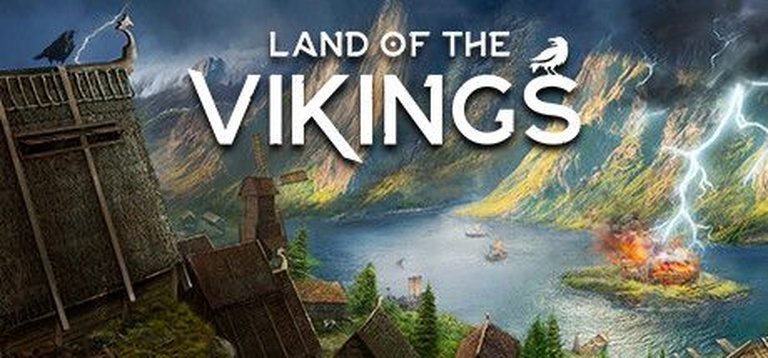
Land of the Vikings is a strategic city-building simulation set in a Norse-inspired world, where players manage and expand a Viking settlement by overseeing resources, agriculture, and infrastructure. Navigate challenges like harsh winters, raids, and the Tree of Life progression system, which unlocks vital mechanics and structures. Developed by Laps Games and published by Iceberg Interactive, the game blends managerial depth with a Viking-themed setting, though early reviews note mixed feedback on content longevity and locked features.
Where to Buy Land of the Vikings
PC
Land of the Vikings Free Download
Land of the Vikings Cracks & Fixes
Land of the Vikings Patches & Updates
Land of the Vikings Mods
Land of the Vikings Guides & Walkthroughs
Land of the Vikings Reviews & Reception
metacritic.com (76/100): Land of the Vikings is a beautifully done survival colony sim that takes the genre to the next level with gridless building.
gamingtrend.com : It balances day to day managing of your Vikings out perfectly, making once tedious tasks in the genre a breeze.
opencritic.com (88/100): Land of the Vikings is a fresh new addition to the city building genre that breaks the mold with a gridless building feature.
Land of the Vikings: Review
Introduction
In the pantheon of survival colony simulators, Land of the Vikings arrives not with a sweeping saga of conquest but with the quieter, frostbitten determination of settlers carving a home from the wilderness. Developed by Laps Games and published by Iceberg Interactive in 2022, this Viking-themed city-builder offers a compelling blend of gridless settlement design, Norse reverence, and brutal seasonal survival. Yet beneath its serene fjords and bustling longhouses lies a game wrestling with its own identity—part Banished-inspired resource manager, part mythological sandbox. This review argues that Land of the Vikings is a flawed but fascinating entry in the genre, one whose innovations shine brightest when its systems embrace the messy humanity of Viking life rather than rigid progression gates.
Development History & Context
Land of the Vikings emerged from Turkish studio Laps Games, a relatively new collective drawing from prior experience in strategy and simulation titles. Built on Unreal Engine 4, the game entered Steam Early Access in November 2022 with a vision to marry Viking lore with the punishing resource calculus of classics like Frostpunk and Rimworld. The developers emphasized “indie passion” in Steam forums, noting their commitment to player feedback through regular “Hotfixes, Improvements, and Content Updates” (Steam Community, Nov 2022).
Released amid a surge in Norse-themed media (e.g., Assassin’s Creed Valhalla, God of War), Land of the Vikings faced stiff competition. Yet it carved a niche by prioritizing colony intimacy over epic conquest. Early technical hurdles—pathfinding glitches, crash-prone building rotations—were tempered by a roadmap promising defense mechanics, Steam Workshop integration, and happiness-system overhauls. The game’s Early Access period reflected an industry trend of community-driven development, with Laps Games engaging players directly on Discord and Steam to refine its vision.
Narrative & Thematic Deep Dive
Unlike narrative-driven Viking epics, Land of the Vikings opts for emergent storytelling. Players assume the role of a Jarl leading refugees from a raid, tasked with rebuilding not through scripted quests but through dynamic events and ethical dilemmas. A stolen loaf of bread might force a choice between exile or fines, while discovering ancestral ruins pits pragmatism against spiritual respect. These vignettes—while mechanically simple—evoke the moral weight of leadership in a harsh world.
Thematic nods to Norse mythology deepen immersion. Worshiping Odin or Freya grants tangible bonuses, positioning faith as a survival tool. Villagers are not faceless cogs; traits like “silver-tongued” or “powerfully-built” influence their roles, while familial bonds emerge through marriages and births. Yet the lack of a overarching plot leaves the stakes feeling diffuse. Without historical context or character arcs, the narrative leans heavily on the player’s imagination to contextualize their settlement’s struggles.
Gameplay Mechanics & Systems
Core Loop & Survival
Land of the Vikings thrives in its tense seasonal cadence. Summers demand aggressive farming, fishing, and foraging, while winters test stockpiled firewood and food. Disasters—lightning strikes, earthquakes—escalate unpredictability, forcing adaptability. Resource chains are satisfyingly granular: timber becomes planks for ships, ore smelted into tools, and barley fermented into ale (critical for trade and morale).
Village Management & Innovation
The game’s standout feature is gridless building, allowing organic village layouts with curved roads and rotated structures. Decorations—from runestones to goat pens—double as functional upgrades, boosting storage or villager speed. However, the much-touted Tree of Life progression system proves divisive. Locking foundational mechanics like auto-assign behind “Fame points” (earned via raids or achievements) artificially gates quality-of-life features, drawing criticism for “punishing new players unnecessarily” (KeenGamer, 70/100).
Combat & Trade
Raiding is underwhelming, reduced to menu-based outcomes rather than tactical battles. Combat lacks the visceral impact suggested by Viking lore, though planned “Defense Updates” (per 2023 roadmap) aimed to add walls and reactive sieges. Trading, meanwhile, is robust—ships arrive with variable cargo, and beer serves as currency, incentivizing brewery investments.
UI & Accessibility
A clean, intuitive HUD tracks resources, seasons, and villager needs. Keybindings for speed control (1-4 keys) and pausing (spacebar) streamline management. Yet pathfinding quirks persist: villagers occasionally prioritize distant tasks, starving en route. The absence of non-English translations at launch also limited accessibility, though post-release patches expanded language support.
World-Building, Art & Sound
Visual Design
Land of the Vikings excels in environmental artistry. Snow blankets thatched roofs in winter, auroras dance over fjords, and villagers animate with charming detail—chopping wood or herding goats. The Unreal Engine renders textures crisply at high settings, though water physics and ground-clipping mar immersion. Buildings, customizable via a planned editor, blend historical accuracy (stave churches, longhouses) with whimsy (ridable goats).
Atmosphere & Sound Design
Ambient audio layers birdcalls, wind, and waves to evoke a living world. Seasonal shifts are underscored by crackling fires in winter and bustling markets in summer. Yet repetitive water-loop noise and sparse combat SFX (axes lack weight) diminish immersion. Johan Söderqvist-esque folk melodies enhance the melancholy beauty of settlement life but grow repetitive over long sessions.
Reception & Legacy
Critics praised Land of the Vikings’ “fresh setting and gridless freedom” (Hooked Gamers, 86/100) but noted its “lack of late-game depth” (GamingTrend). Launch reviews highlighted friction in progression systems, with Metacritic settling at 76/100. Despite this, the game found a niche audience, with 78% positive Steam reviews citing its “charming, meditative” pace.
Legacy-wise, Land of the Vikings contributed to the genre’s shift toward organic city-building, influencing titles like Farthest Frontier. Its Norse focus also enriched a thematic wave alongside Valheim and AC Valhalla, though it avoided mythic grandiosity to spotlight communal survival. Post-launch updates—defense mechanics, workshop support—demonstrated Laps Games’ commitment, though the game remains a cult classic rather than a genre redefiner.
Conclusion
Land of the Vikings is a paradox: at once innovative and conventional, intimate yet narratively sparse. Its gridless building and decor-as-gameplay mechanics elevate it above boilerplate city-builders, while flawed progression systems and shallow combat keep it from greatness. For genre enthusiasts, it offers a refreshing, if uneven, take on Viking life—a game where生存 is neither romanticized nor trivialized but rendered as daily, collective defiance against nature’s whim. As a historical artifact, it captures early-2020s indie development’s strengths (player-centric iteration) and weaknesses (scope bloat). Not every Viking saga needs Valhalla; sometimes, a well-built longhouse under the northern lights is enough.