
- Release Year: 2022
- Platforms: Windows Apps, Windows, Xbox Cloud Gaming, Xbox One, Xbox Series
- Publisher: Studio Doodal
- Developer: Studio Doodal
- Genre: Action
- Perspective: Side view
- Game Mode: Single-player
- Gameplay: Platform
- Setting: Fantasy
- Average Score: 80/100
Description
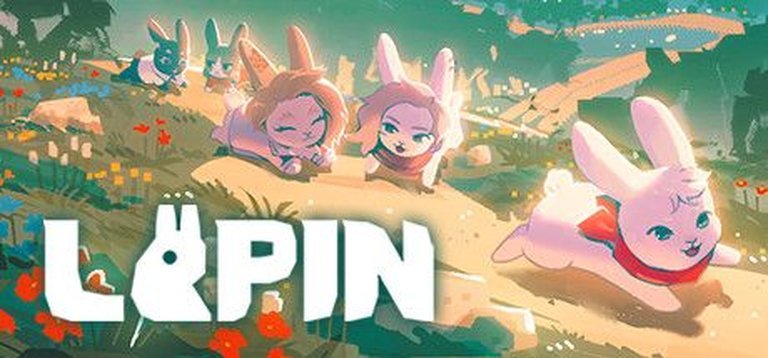
Lapin is a whimsical 2D side-scrolling platformer set in a fantasy world, where players guide a group of five brave rabbits, led by Liebe, after construction forces them from their cozy home under a park. Embarking on an exploratory adventure, the rabbits navigate diverse levels with unique mechanics, overcoming precise platforming challenges while fostering their heartwarming found family relationships in a beautifully crafted tale of resilience and discovery.
Gameplay Videos
Where to Buy Lapin
PC
Lapin Guides & Walkthroughs
Lapin Reviews & Reception
metacritic.com (80/100): Lapin is a charming 2D platformer that lures players to a challenging experience that will require sharp jumping skills and reflexes. Other than its fine-tuned gameplay and learning curve, Lapin also features a gorgeous visual world, as well as a surprising and even unexpectedly tragic plot line.
flayrah.com : While the story is very simple, I was surprised by how well-written the individual characters are.
thegamehoard.com : Lapin is a touching tale of a band of five rabbits seeking a safe new home, and with its lovely art and gorgeous music, the emotions are beautifully realized when it is telling that tale.
Lapin: Review
Introduction
In a gaming landscape saturated with high-octane action and sprawling open worlds, Lapin emerges as a quiet gem—a precision 2D platformer that dares to prioritize emotional depth over mechanical bombast. Developed by the South Korean indie studio Studio Doodal, this tale of five anthropomorphic rabbits evicted from their park burrow by human construction captivates with its wholesome found-family narrative and lush visuals. Yet, like a delicate hop across a chasm, it teeters on the edge of brilliance, undermined by platforming demands that occasionally demand pixel-perfect forgiveness the controls can’t always deliver. My thesis: Lapin stands as a testament to indie ambition, where a profoundly touching story of perseverance and bonds elevates a flawed-but-solid platformer into a memorable, if uneven, entry in the genre’s pantheon, echoing the spirit of Celeste while carving its own furry niche.
Development History & Context
Studio Doodal, a small South Korean team passionate about narrative-driven platformers, self-published Lapin in Early Access on November 17, 2022, across Windows (via Steam), Xbox One, Xbox Series X|S, and Xbox Cloud Gaming. This initial phase allowed iterative feedback, with the full 1.0 release arriving on August 30, 2023, expanding content like additional side stories and photocards. Built on the Unity engine with FMOD for audio, Lapin reflects the era’s indie boom in precision platformers, launching amid giants like Celeste (2018) and Ori and the Blind Forest (2015), which popularized tight controls, emotional arcs, and collectible-driven lore.
The 2022-2023 gaming landscape was defined by post-pandemic shifts toward cozy, heartfelt indies amid AAA fatigue—think Unpacking or A Short Hike—but Lapin leaned into the masocore precision subgenre, a bold choice for a debut. Technological constraints were minimal thanks to Unity’s accessibility, enabling fluid 2D scrolling and particle effects for hazards like thorns and crystals. However, Early Access critiques highlighted control responsiveness issues persisting into full release, suggesting limited playtesting resources for a solo/small-team effort. Console ports followed: PlayStation 4/5 via Flux Games (September 2, 2025) and Nintendo Switch via CFK (October 9, 2025), broadening reach but underscoring slow mainstream adoption. Doodal’s vision—blending Watership Down-esque survival with Celeste‘s mechanics—aimed to humanize rabbits as clothed, emotive explorers, a furry-adjacent twist differentiating it from gore-fests like Super Meat Boy.
Narrative & Thematic Deep Dive
Lapin‘s plot is deceptively simple yet richly layered: Liebe, a wide-eyed white rabbit and former abandoned pet, joins Captain, Bianca, José, and Montblanc in fleeing their Alfa burrow beneath a human park disrupted by construction. Guided by the map of legendary explorer Jorge, they quest for “Paradise,” a utopian haven shadowed by Jorge’s tragic past expedition. What unfolds is a profound exploration of found family, resilience, and emotional vulnerability, delivered through dialogue trees, affection-building interactions, and unlockable flashbacks.
Characters are the beating heart, each exquisitely fleshed out:
– Liebe (protagonist): Earnest and immature, her growth from “group baby” to determined leader mirrors player perseverance. Interactions reveal her pet past, fostering empathy.
– Captain: Stoic leader and cook, his supportive demeanor hides warren leadership burdens; Early Access unlocked his photocard first, emphasizing reliability.
– Bianca: Secretive ex-Cage resident (implying prior captivity), she balances doting mentorship with guarded trauma, adding bittersweet depth.
– José: Outgoing artist and morale booster, his optimism via songs/games injects levity, but late-game tests its fragility.
– Montblanc: Grumbling engineer with a wrench motif (playfully absurd), he suppresses emotions, culminating in poignant payoffs.
Dialogue shines in camp interludes, where rabbits share expedition tips, gifts, or lore—building affection unlocks photocards (relivable memories) and playable flashbacks at Alfa, transforming platforming pauses into visual-novel vignettes. Seeds, collected from side challenges, bloom into flowers narrating Jorge’s doomed crew (e.g., Iffa, Talki, Woody), paralleling the protagonists’ journey and underscoring themes of legacy and loss. Jorge’s statues offer interactive records, weaving past/present.
Thematically, Lapin grapples with anthropomorphic ambiguity: clothed rabbits pilot devices yet fear humans, blending realism (abandonment stats) with fantasy athleticism. Core motifs—bonds over isolation, hope amid peril—evoke Watership Down and Wolf’s Rain, but Lapin‘s wholesome tone (no gore, focus on “wholesome found family”) crafts emotional highs: tearful separations, triumphant reunions, Montblanc’s arc. Pacing falters when talks interrupt action, but this reinforces themes—relationships demand time.
Gameplay Mechanics & Systems
Lapin‘s core loop is classic precision platforming: navigate side-scrolling rooms via jumps, wall-clings/jumps, and gimmicks, dying resets to room checkpoints (except chases). Controls support gamepad/keyboard/mouse, emphasizing “precise control and speedy action.”
Core Mechanics:
– Movement: Responsive basics—variable jumps, wall jumps for ascent/momentum. Midair tweaks allow fine positioning.
– Gimmicks: Area-specific innovations keep freshness: bubbles (aerial boosts), bouncy flowers (directional bursts, often requiring input flips), launcher boxes, moving platforms. Thorns/crystals demand navigation; weasel chases echo Ori.
– Progression: Linear stages with side seeds (Jorge lore). No upgrades; skill-based.
UI/Systems:
– Liebe’s Notes/Diary: Hub for collectibles (maps, rabbit info, photocards, seeds, items)—intuitive, action-enriched.
– Affection/Interactions: Talk to build bonds (gifts, hints); unlocks flashbacks (playable, low-platforming).
– Modes: Easy/Normal/Hard? Achievements (94, including basics/sides) encourage replays.
Flaws mar innovation: Pixel-perfect demands exceed control fidelity. Bouncy sequences require holding toward flowers then instantly reversing—half-second delays cause pixel-short falls. Inconsistent hitboxes (e.g., white hazards variably lethal) frustrate; chases/seed rooms quarantine extremes but expose core inconsistencies vs. Celeste‘s forgiveness. Camera zoom obscures on small screens (Steam Deck warning). Checkpoints ease retries (~7-14hr completion), but “unforgiving” bubbles (no respawn) amplify irritation. Strengths: Satisfying chains when “wiggle room” exists; flashbacks diversify.
| Mechanic | Strengths | Weaknesses |
|---|---|---|
| Wall Jump | Versatile ascent/momentum | Overreliance strains precision |
| Gimmicks (e.g., Flowers) | Varied, terrain-synced | Timing chains demand perfection |
| Collectibles | Lore-rich, optional | Side rooms overly strict |
| Checkpoints | Quick retries | Chases stretch distances |
Overall, solid but uneven—narrative integration (difficulty as Liebe’s growth) redeems.
World-Building, Art & Sound
Lapin‘s fantasy setting spans park ruins to sewers, forests, cities—lush, hazardous terrains evoking wonder/peril. Alfa burrow feels lived-in (interactive objects); later biomes (Windsong Forest, Rabbitinium) layer Jorge’s echoes via statues/seeds, deepening immersion.
Visuals: Adorable 2D art—rabbits proportionate yet stylish (clothes, hairstyles like Montblanc’s wrench). Scenery pops: grey parks, blue greenhouses, collapsing idols. Particles excel (flower blooms, crystal glows), but low contrast/zoom muddies platforms. Runs smoothly (Unity perks).
Sound: FMOD-powered OST (33 tracks, e.g., “To Our Paradise,” “Epilogue”) swells emotionally—prologues upbeat, chases tense (“Weasels are Scary!”), endings melancholic. Squeaky barks substitute voice; effects (hops, deaths) cute/fitting. Atmosphere: cozy peril, enhancing themes.
Elements synergize: Art/sound amplify narrative intimacy, making paradise quests visceral.
Reception & Legacy
Launch reception was muted: MobyGames critics 57% (Game Hoard: 4/7, lauds story/art, dings precision); players 3/5. Gameplay (Benelux) unscored but raves “top” atmosphere/design/controls. Flayrah praises characters/platforming; Starbit (Switch) 80/100 for challenge/plot. Metacritic tbd; ~7k units sold signals niche appeal.
Evolved positively post-EA fixes (full stories); 2025 ports may boost. Influences: Celeste emulation (strawberries→seeds) but distinct bunny focus. Legacy: Minor yet poignant—exemplifies indie risks (narrative vs. mechanics), furry-gamer darling, inspires cozy platformers. Low visibility limits impact, but emotional resonance endures.
Conclusion
Lapin masterfully weaves a rabbit odyssey of bonds and bravery, its five heroes’ arcs—Liebe’s growth, Montblanc’s thaw—rival genre greats, bolstered by exquisite art/sound. Yet, precision pitfalls (inconsistent controls, overdemanding design) temper highs, preventing transcendence. As a historian, I place it mid-tier indie platformers: not revolutionary like Celeste, but enduring for heart. Verdict: Recommended for narrative fans tolerant of frustration (7.5/10)—a flawed paradise worth hopping toward, affirming Studio Doodal’s promise. Play for the bunnies; persist for the feels.