
- Release Year: 2009
- Platforms: Windows
- Publisher: Aldorlea Games
- Developer: Aldorlea Games
- Genre: Role-playing, RPG
- Perspective: 3rd-person
- Game Mode: Single-player
- Gameplay: Guild system, Skill Learning, Spell learning
- Setting: Fantasy
- Average Score: 88/100
Description
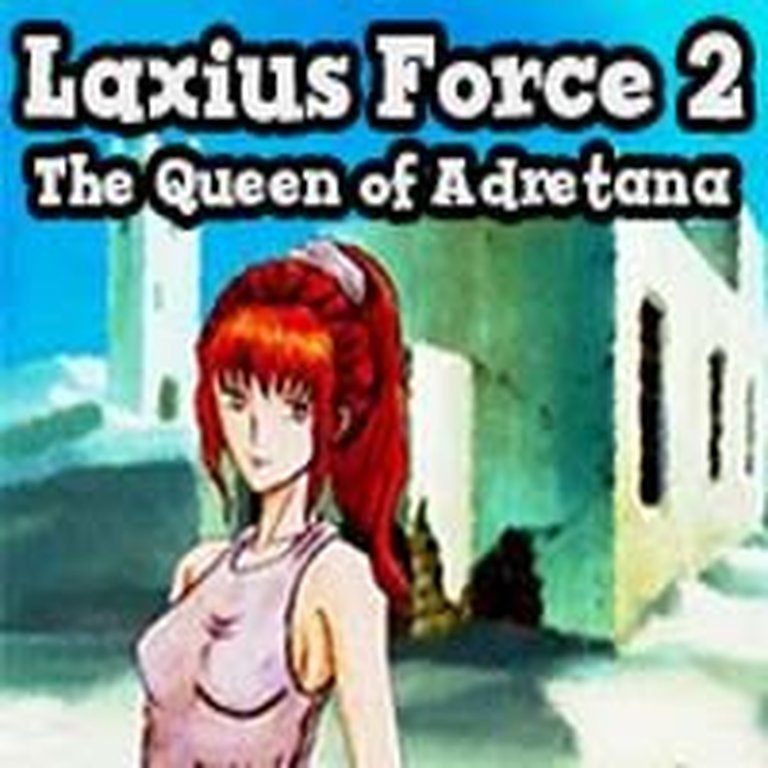
Laxius Force II is the sixth installment in the Laxius series, a 2D fantasy RPG where players join half-goddess Luciana and her allies—Random and Sarah—as they defend the town of Adretana from the menacing Order. Set in a richly detailed world blending classic RPG elements with anime-inspired art, the game offers over 50 hours of gameplay, guild-based skill systems, and a deep narrative that continues the epic saga from its predecessors. Developed by Aldorlea Games using RPG Maker, it combines traditional turn-based combat with expansive exploration and character progression.
Laxius Force II Cracks & Fixes
Laxius Force II Guides & Walkthroughs
Laxius Force II Reviews & Reception
mobygames.com (85/100): A triumphant return to form for the series.
metacritic.com (81/100): Part II of the Laxius Saga most definitely is as good as the first part and for those who have played “Heroes Never Die” a must.
rpgfan.com : Aldorlea’s Laxius series has to be one of the more involved RPG series I have encountered in recent years.
moddb.com (100/100): Lots of games call themselves ‘Epic’. This is one of the few which actually merits that label.
Laxius Force II: A Deep Dive into a Cult Classic RPG
Introduction: The Legacy of a Niche Masterpiece
Laxius Force II: The Queen of Adretana (2009) is a game that defies easy categorization. It is simultaneously a product of its time—a late-2000s indie RPG built on RPG Maker XP—and a timeless love letter to the 16-bit JRPGs of the 1990s. Developed by Aldorlea Games, a small French studio founded by Indinera Falls, Laxius Force II is the sixth installment in the sprawling Laxius saga, a series that began as freeware experiments before evolving into a commercial trilogy. This review will explore why Laxius Force II remains a cult favorite, dissecting its narrative depth, mechanical intricacies, and the unique charm that has endeared it to a dedicated fanbase despite its technical limitations.
At its core, Laxius Force II is a game about perseverance—both for its characters and its creators. It is a sequel that refuses to rest on the laurels of its predecessor, instead doubling down on the strengths of the Laxius universe while refining its storytelling and world-building. For fans of the series, it is an essential chapter; for newcomers, it is a daunting but rewarding journey into a world where gods, mortals, and political intrigue collide.
Development History & Context: The Rise of Aldorlea Games
The Birth of a Franchise
The Laxius series traces its origins to 2001 with Laxius Power I: Random Story, a freeware RPG created using RPG Maker 2000. Indinera Falls, the series’ creator, initially crafted the games as a passion project, drawing inspiration from classic JRPGs like Final Fantasy, Dragon Quest, and Phantasy Star. The first trilogy (Laxius Power I-III) was distributed for free, garnering a modest but devoted following. These early games were praised for their ambitious scope and storytelling, though they suffered from rough translations and technical limitations.
The transition to RPG Maker XP marked a turning point for Aldorlea Games. With the release of Laxius Force: Heroes Never Die in 2008, the studio shifted to a commercial model, refining its craft while retaining the series’ signature charm. Laxius Force was a critical success, praised for its lengthy campaign (30+ hours) and deep lore. It also introduced a darker, more mature narrative, setting the stage for Laxius Force II.
Technological Constraints and Creative Workarounds
Laxius Force II was developed during a period when indie RPGs were still finding their footing in the digital marketplace. The use of RPG Maker XP imposed certain limitations—most notably, the engine’s reliance on 2D sprites, tile-based maps, and a turn-based combat system that harkened back to the SNES era. However, Aldorlea Games leveraged these constraints creatively:
- Expanded World Design: Despite the engine’s limitations, Laxius Force II features one of the largest game worlds ever created in RPG Maker, with sprawling dungeons, hidden areas, and a vast overworld.
- Save File Continuity: A standout feature was the ability to import save files from Laxius Force, carrying over characters, equipment, and progress. This was a rarity in indie RPGs at the time and deepened player investment in the series.
- Guild System: The introduction of guilds allowed for greater character customization, enabling players to tailor their party’s abilities to their preferred playstyle.
The Gaming Landscape in 2009
The late 2000s were a transitional period for RPGs. While AAA titles like Final Fantasy XIII and Dragon Age: Origins dominated the mainstream, indie developers were beginning to explore retro-inspired designs. Games like Aveyond (another RPG Maker title) and Eternal Eden proved that there was an audience for old-school RPGs with modern sensibilities. Laxius Force II fit neatly into this niche, offering a blend of nostalgia and innovation that appealed to fans of classic JRPGs.
However, the game’s commercial success was modest. Aldorlea Games lacked the marketing muscle of larger studios, and Laxius Force II relied heavily on word-of-mouth and niche RPG communities. Despite this, it carved out a loyal fanbase, thanks in part to its distribution on platforms like Big Fish Games, GamersGate, and Amazon.
Narrative & Thematic Deep Dive: A Tale of Gods, Mortals, and War
Plot Overview
Laxius Force II picks up immediately after the events of Laxius Force, with the protagonist Random Pendragon and his companions returning to the city of Adretana. The game’s title, The Queen of Adretana, hints at its central narrative focus: the ascension of Luciana Vincenti, a half-goddess and longtime ally of Random, to the throne following the assassination of her husband, King Julian.
The story is divided into two major arcs:
1. The Fall of Adretana: The Order, a malevolent organization led by the Grand Commendanter, launches a devastating attack on Adretana, culminating in the death of King Julian. Luciana, grief-stricken but resolute, assumes the mantle of queen and vows to lead the resistance against the Order.
2. The Hunt for the Grand Commendanter: The latter half of the game shifts to a more global conflict, as Random, Luciana, and their allies uncover the Order’s true plans and pursue the Grand Commendanter to his hidden stronghold.
Character Analysis
Laxius Force II boasts a large cast of characters, each with distinct personalities and arcs. Key figures include:
- Random Pendragon: The series’ protagonist, Random is a brash but noble warrior whose journey from reckless youth to seasoned leader is a central theme. His relationship with Sarah Brandolino, his elven lover, adds emotional depth to his character.
- Luciana Vincenti (Luci): The half-goddess whose transformation from a meek spellcaster to a determined queen is the heart of Laxius Force II. Her marriage to King Julian and subsequent widowhood serve as catalysts for her character growth.
- Sarah Brandolino: A high elf with a sharp tongue and a fierce loyalty to Random. Sarah’s backstory, explored in 3 Stars of Destiny, adds layers to her interactions with the party.
- Coryool Tallemuyr: A hulking, alcohol-loving warrior whose brute strength masks a complex past. Coryool’s return in Laxius Force II is a highlight for longtime fans.
- The Grand Commendanter: The enigmatic leader of the Order, whose motivations remain shrouded in mystery until the trilogy’s conclusion. His presence looms over the entire narrative, making him one of the most compelling villains in indie RPGs.
Themes and Motifs
Laxius Force II explores several recurring themes:
– Sacrifice and Loss: The deaths of King Julian, Louis de Van Gal, and Marion Vencjak in Laxius Force cast a long shadow over the sequel. Luciana’s journey is defined by her response to loss, and the game frequently asks players to consider the cost of war.
– Destiny vs. Free Will: The concept of the “Laxius Power”—a divine energy that grants its wielders extraordinary abilities—raises questions about predestination. Are Random and his allies chosen by fate, or do they forge their own paths?
– Political Intrigue: The Order’s machinations are not merely about conquest but also about manipulating the very fabric of the world. The game’s latter half delves into themes of corruption, propaganda, and the moral ambiguity of wartime leadership.
Dialogue and Writing
The writing in Laxius Force II is a mixed bag. On one hand, the game’s dialogue is often witty and character-driven, with banter between party members adding levity to darker moments. On the other hand, the translation—handled primarily by Indinera Falls—suffers from occasional awkward phrasing and grammatical errors. This “Blind Idiot” Translation (as TV Tropes aptly describes it) can be jarring but also adds a certain charm, reminiscent of early Final Fantasy localizations.
Gameplay Mechanics & Systems: A Retro Revival with Modern Twists
Combat and Progression
Laxius Force II employs a traditional turn-based combat system, reminiscent of Dragon Quest and Final Fantasy. Battles are initiated via random encounters (with some areas featuring visible enemies), and players control a party of up to four characters.
Key combat features include:
– Elemental Affinities: Spells and attacks are tied to elemental types (fire, ice, lightning, etc.), requiring strategic planning to exploit enemy weaknesses.
– Guild System: Characters can join guilds to learn new abilities. For example, the Mage Guild grants access to powerful spells, while the Warrior Guild enhances physical attacks. This system adds replayability, as players can experiment with different builds.
– Equipment Customization: Weapons and armor can be upgraded and enchanted, allowing for further customization.
Exploration and World Design
The game’s world is vast, with multiple continents, dungeons, and towns to explore. Aldorlea Games’ strength lies in its meticulous map design, which encourages exploration through hidden paths, treasure chests, and optional dungeons. The overworld is interconnected, with later areas often requiring backtracking to uncover secrets.
However, the game’s pacing can be uneven. Some dungeons drag on due to excessive random encounters, and the lack of a fast-travel system (until later in the game) can make navigation tedious.
UI and Quality-of-Life Features
Laxius Force II improves upon its predecessor with several quality-of-life updates:
– Mouse Support: A welcome addition for PC players, allowing for easier navigation of menus.
– Escape Option: Players can now flee from certain battles, reducing frustration during grinding sessions.
– Quest Log: A streamlined quest log helps track objectives, though it can still feel overwhelming due to the sheer number of side quests.
Innovations and Flaws
The game’s most innovative feature is its save file continuity, which allows players to import their progress from Laxius Force. This not only carries over characters and equipment but also maintains the game’s internal clock and step count—a level of detail rarely seen in indie RPGs.
However, Laxius Force II is not without its flaws:
– Balancing Issues: Some dungeons feature both random and visible encounters, leading to excessive grinding.
– Difficulty Spikes: Boss battles can be punishingly difficult, especially for players who do not grind extensively.
– Repetitive Music: The soundtrack relies heavily on RPG Maker stock tracks, which can become monotonous over the game’s 50+ hour runtime.
World-Building, Art & Sound: Crafting a Living Fantasy
Setting and Atmosphere
Laxius Force II takes place in a fantasy world that blends traditional medieval elements with hints of sci-fi. The city of Adretana, with its royal court and bustling streets, serves as the game’s central hub, while dungeons range from ancient ruins to high-tech facilities. The game’s lore is deep, with references to past events and characters from earlier Laxius titles.
Visual Design
The game’s art style is a mix of anime-inspired character portraits and 16-bit-era sprites. While the graphics are not cutting-edge, they are charming and functional. Character designs are distinctive, with Luciana’s celestial motifs and Sarah’s elven features standing out. The use of hand-drawn cutscenes (albeit rare) adds a cinematic flair to key moments.
Sound and Music
The soundtrack is a weak point, relying heavily on RPG Maker stock music. While some original compositions (such as the title theme) are memorable, the repetitive battle music can grow tiresome. Sound effects, however, are well-implemented, with spells and attacks featuring satisfying audio cues.
Reception & Legacy: A Cult Classic’s Enduring Appeal
Critical Reception
Laxius Force II received generally positive reviews, with critics praising its story, character development, and depth of content. RPGFan awarded it an 85%, calling it “a lovely game that continues the epic story of Random and his friends.” However, the game’s technical limitations and niche appeal prevented it from achieving mainstream success.
Commercial Performance
As a commercial release, Laxius Force II sold modestly, primarily through digital storefronts like Big Fish Games and GamersGate. Its fanbase remained small but passionate, with many players completing multiple playthroughs to uncover all of the game’s secrets.
Influence and Legacy
The Laxius series, and Laxius Force II in particular, has had a lasting impact on the indie RPG scene. It demonstrated that RPG Maker could be used to create deep, narrative-driven experiences, inspiring other developers to push the engine’s boundaries. The series’ emphasis on continuity—with save file imports and interconnected stories—also set a precedent for later indie RPGs.
Conclusion: A Flawed but Unforgettable Epic
Laxius Force II: The Queen of Adretana is not a perfect game. Its technical limitations, repetitive music, and occasional balancing issues are undeniable. However, its strengths—an engrossing narrative, memorable characters, and a vast, explorable world—far outweigh its flaws. For fans of classic JRPGs, it is a must-play; for newcomers, it is a challenging but rewarding journey into a richly detailed universe.
Final Verdict: 8.5/10 – A cult classic that deserves its place in RPG history.
Laxius Force II is a testament to the power of passion in game development. Despite its humble origins, it stands as a shining example of what indie studios can achieve with creativity, dedication, and a deep love for the genre. For those willing to overlook its rough edges, it offers an experience that is as emotionally resonant as it is mechanically satisfying.