
- Release Year: 2016
- Platforms: Android, iPad, iPhone, Linux, Macintosh, Windows
- Publisher: LumiNet Kft.
- Developer: Level One Games
- Genre: Puzzle
- Perspective: Diagonal-down
- Game Mode: Single-player
- Setting: Fantasy
- Average Score: 82/100
Description
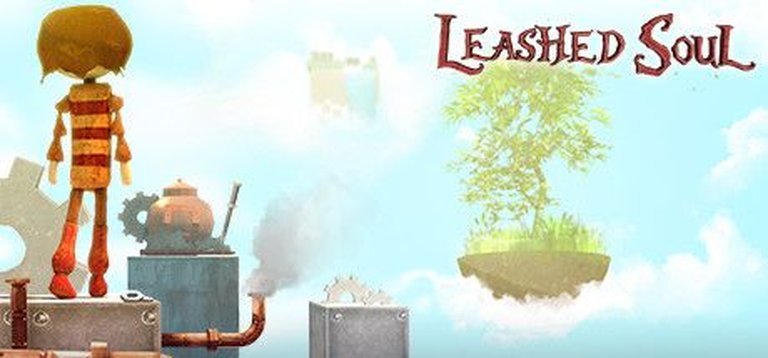
Leashed Soul is a casual, family-friendly 3D puzzle-adventure game set in a vibrant fantasy world with shifting seasons. Players guide Beydo, a wooden doll brought to life, through 50 maze-like levels filled with logic puzzles to collect magical seeds and restore the world’s greenery. With a mix of challenging obstacles and a heartwarming narrative, the game blends tricky gameplay with a mission to save a bleak, treeless Earth by planting forests across the land.
Where to Buy Leashed Soul
PC
Leashed Soul Patches & Updates
Leashed Soul Mods
Leashed Soul Guides & Walkthroughs
Leashed Soul Reviews & Reception
steambase.io (82/100): A triumphant return to form for the series.
Leashed Soul: A Whimsical Puzzle Adventure with Heart and Depth
Introduction: A Fairy Tale in Block Form
Leashed Soul (2016) is a deceptively simple puzzle game that weaves a heartfelt narrative into its block-pushing mechanics. Developed by Level One Games and published by LumiNet, it follows Beydo, a wooden doll brought to life, on a quest to restore nature by planting magical seeds across a fantasy world. At first glance, it appears to be a casual, family-friendly puzzle game, but beneath its charming exterior lies a thoughtful exploration of environmentalism, purpose, and the cyclical nature of life and death.
This review will dissect Leashed Soul in its entirety—from its development history and narrative depth to its gameplay mechanics, artistic direction, and lasting legacy. While it may not have achieved mainstream recognition, the game stands as a unique blend of emotional storytelling and classic puzzle design, offering a meditative yet engaging experience.
Development History & Context: A Labor of Love in the Indie Puzzle Renaissance
The Studio Behind the Doll
Leashed Soul was developed by Level One Games, a small indie studio based in Hungary. The team drew inspiration from classic puzzle games like Mekorama, Minecraft, and Portal, but sought to infuse their creation with narrative weight and emotional resonance—a rarity in the puzzle genre at the time.
The game was initially released on mobile platforms (iOS and Android) in December 2016, before expanding to PC, Mac, and Linux in 2017. This multi-platform approach was strategic, aiming to reach both casual mobile gamers and PC puzzle enthusiasts.
Technological Constraints & Design Philosophy
Built in Unity, Leashed Soul leveraged the engine’s flexibility to create a diagonal-down (isometric) perspective, which became a defining visual trait. The developers prioritized:
– Smooth, intuitive controls (swipe-based on mobile, mouse/keyboard on PC).
– A minimalist yet expressive art style to ensure broad accessibility.
– A dynamic seasonal system that altered level aesthetics and mechanics.
The game’s 50 handcrafted levels were designed to escalate in complexity, introducing new mechanics (e.g., ice physics, moving blocks, valves) while maintaining a consistent difficulty curve.
The Gaming Landscape in 2016-2017
Leashed Soul emerged during a golden age of indie puzzlers, competing with titles like:
– The Witness (2016) – A cerebral, open-world puzzle game.
– Human: Fall Flat (2016) – A physics-based comedy puzzle game.
– Gorogoa (2017) – A narrative-driven, hand-drawn puzzle experience.
Unlike these, Leashed Soul carved its niche by blending environmental storytelling with traditional block-pushing mechanics, making it accessible yet thematically rich.
Narrative & Thematic Deep Dive: The Life and Legacy of Beydo
Plot Summary: A Doll’s Journey to Give Life
The game begins with Beydo, a wooden doll, miraculously granted life by Mother Nature. Grateful for this gift, he embarks on a quest to repay the favor by planting trees across a dying world. His journey spans four seasons, each representing a different emotional and mechanical phase:
1. Winter – A bleak, lifeless world where Beydo must navigate ice, traps, and darkness.
2. Spring – A rebirth, where seeds sprout, and hope returns.
3. Summer & Autumn – Transitional phases where the world flourishes before preparing for another winter.
The narrative is wordless, conveyed through visual storytelling, environmental cues, and Beydo’s expressions. This show-don’t-tell approach makes the game universally relatable, transcending language barriers.
Themes: Environmentalism, Sacrifice, and Cyclical Existence
Leashed Soul is, at its core, an allegory for environmental stewardship:
– Deforestation & Renewal – The game’s central mechanic (planting seeds) mirrors real-world reforestation efforts.
– The Fragility of Life – Beydo’s wooden body is both his strength and weakness—he is durable yet vulnerable to fire, water, and decay.
– The Gift of Life – Beydo’s existence is temporary, reinforcing the idea that all life is fleeting but meaningful.
The seasonal cycle reinforces the inevitability of change—winter is not an end but a necessary precursor to rebirth.
Character Analysis: Beydo as a Silent Protagonist
Beydo is a minimalist yet deeply expressive character:
– His wooden, doll-like design makes him innocent and vulnerable.
– His animations (e.g., stumbling, celebrating, looking up at trees) humanize him without dialogue.
– His relationship with nature is symbiotic—he gives life, and in return, the world sustains him.
The lack of traditional dialogue or NPCs forces players to project their own emotions onto Beydo, making his journey deeply personal.
Gameplay Mechanics & Systems: A Puzzle Game with Soul
Core Gameplay Loop: Block-Pushing with a Purpose
Leashed Soul is, mechanically, a 3D puzzle game where players must:
1. Navigate Beydo through maze-like levels.
2. Push, pull, and manipulate blocks to reach magical seeds.
3. Plant seeds to restore life to barren areas.
4. Progress through seasons, each introducing new mechanics:
– Winter – Slippery ice, frozen blocks.
– Spring – Growing vines, water physics.
– Summer – Moving platforms, wind mechanics.
– Autumn – Decaying blocks, falling leaves.
Innovative Mechanics
While the game draws from classic puzzle tropes, it introduces unique twists:
– Seasonal Level Design – Levels visually and mechanically transform based on the season.
– Physics-Based Puzzles – Some blocks melt, float, or crumble, requiring timing and precision.
– Hidden Collectibles – Optional treasures and secrets encourage replayability.
Controls & UI: Simple Yet Effective
- Mobile (Touch) – Swipe controls for movement, tap to interact.
- PC (Mouse/Keyboard) – Point-and-click movement, WASD for navigation.
- Controller Support – Partial support (though some users reported bugs with Xbox controllers).
The UI is minimalist, with no HUD clutter, reinforcing immersion.
Difficulty & Pacing
- Early levels are tutorial-like, introducing mechanics gently.
- Mid-game ramps up with multi-step puzzles requiring lateral thinking.
- Late-game introduces time-sensitive challenges (e.g., melting ice before a block falls).
The difficulty curve is well-balanced, though some players found certain levels frustrating due to unclear mechanics (e.g., ice physics in Level 9).
World-Building, Art & Sound: A Living, Breathing Fantasy
Visual Design: A Blocky, Dreamlike World
Leashed Soul employs a low-poly, isometric art style that is:
– Whimsical yet melancholic – The wooden textures, soft lighting, and seasonal shifts create a dreamlike atmosphere.
– Color-Coded Seasons –
– Winter = Blues and grays (cold, desolate).
– Spring = Greens and yellows (hopeful, vibrant).
– Autumn = Oranges and reds (warm but fleeting).
The block-based environments evoke Minecraft but with more artistic direction, making each level feel handcrafted rather than procedural.
Sound Design & Music: A Meditative Experience
- Ambient Soundtrack – Soft, acoustic guitar and piano melodies that shift with the seasons.
- Environmental Sounds – Wind howling in winter, birds chirping in spring.
- Minimalist SFX – Wooden clacks, seed planting sounds, and subtle nature noises enhance immersion.
The audio design is understated but crucial—it reinforces the game’s emotional beats without overpowering the player.
Reception & Legacy: A Cult Classic in the Making?
Critical & Commercial Reception
Leashed Soul received mixed but generally positive reception:
– Steam Reviews – 82/100 (Positive) based on 33 user reviews.
– Mobile Reception – Praised for its accessibility and charm, though some criticized occasional control issues.
– Lack of Mainstream Coverage – Due to its indie status and niche appeal, it did not receive major critic reviews (e.g., no Metacritic score).
Community & Modding
- Steam Workshop Support – Allowed for custom levels, though the community remained small but dedicated.
- Speedrunning Scene – A niche speedrunning community emerged, optimizing seed-collection routes.
Influence & Legacy
While Leashed Soul did not revolutionize the puzzle genre, it proved that narrative depth could coexist with simple mechanics. Its environmental themes predated later eco-conscious games like A Short Hike and Spiritfarer.
Conclusion: A Small Game with a Big Heart
Leashed Soul is not a flawless masterpiece, but it is a charming, thoughtful puzzle game that transcends its simple mechanics through strong thematic depth and emotional storytelling.
Final Verdict: 8/10 – “A Hidden Gem”
✅ Pros:
– Beautiful, seasonal art direction.
– A touching, wordless narrative.
– Well-designed puzzles with escalating complexity.
– Relaxing yet engaging gameplay loop.
❌ Cons:
– Some mechanics (e.g., ice physics) can feel unclear.
– Controller support is inconsistent.
– Lacks the polish of bigger-budget puzzlers.
Who Should Play It?
- Fans of narrative-driven puzzles (The Witness, Gorogoa).
- Players who enjoy environmental storytelling (Journey, Flower).
- Casual gamers looking for a relaxing yet meaningful experience.
Leashed Soul may not have rewritten gaming history, but it deserves recognition as a heartfelt, underrated indie title—one that reminds us of the beauty in small, purposeful acts.
Final Thought:
“In a world of blockbuster games, *Leashed Soul is a quiet, wooden doll—unassuming at first glance, but full of life when you take the time to listen.”*
Would you like additional sections on speedrunning strategies, hidden secrets, or comparisons to similar games? Let me know how I can expand this review further!