
- Release Year: 2007
- Platforms: Windows
- Genre: Role-playing, RPG
- Perspective: 1st-person
- Game Mode: Single-player
- Setting: Fantasy
- Average Score: 82/100
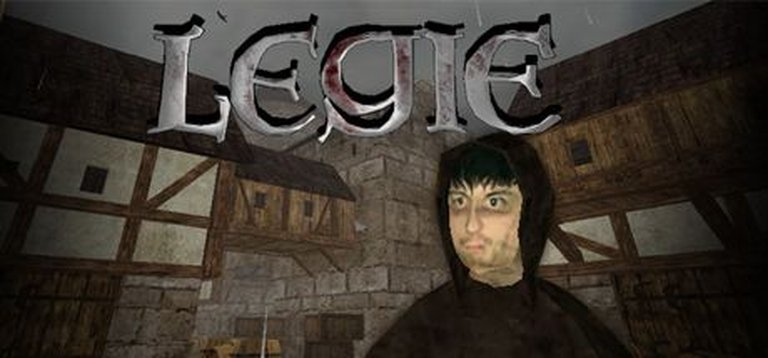
Description
Legie is a first-person role-playing game set in a fantasy world, released in 2007 for Windows. Developed by a small team, the game features direct control mechanics and immerses players in a richly crafted environment filled with adventure and exploration. With its unique blend of storytelling and gameplay, Legie offers a captivating experience for fans of the RPG genre.
Gameplay Videos
Where to Buy Legie
PC
Legie Patches & Updates
Legie Guides & Walkthroughs
Legie Reviews & Reception
metacritic.com (70/100): Original medieval adventure game set in a plague-infested village scores with a dark atmosphere and strong story – prepare to face death with every step you take.
store.steampowered.com (89/100): Legie is an adventure game reimagined for the post-FPS world.
horrorgameanalysis.wordpress.com : Legie is incredibly immersive. You play from a first-person perspective, wherein you click on a section of the floor and move over to it.
steambase.io (89/100): LEGIE has earned a Player Score of 89 / 100.
Legie: A Dark, Poetic, and Unforgettable Journey into Medieval Bleakness
Introduction: The Unassuming Masterpiece
In the vast ocean of video game history, where blockbuster titles and AAA franchises dominate the discourse, Legie (2007) emerges as a quiet, unassuming masterpiece—a game that defies convention, embraces imperfection, and delivers an experience so uniquely bleak and poetic that it lingers in the mind long after the credits roll. Developed by the Czech studio Spytihněv, Legie is a hybrid of adventure game and classic grid-based dungeon crawler, set in the medieval town of Jilemnice and its hilly surroundings. It is a game about an innkeeper, beer, and the devil—a premise that sounds almost absurdly simple, yet unfolds into a narrative rich with existential dread, dark humor, and a haunting atmosphere.
At its core, Legie is a game that thrives on its limitations. It is not a technical marvel, nor does it boast the polish of modern RPGs. Instead, it is a game that embraces its constraints, using them to craft an experience that is as much about the journey as it is about the destination. It is a game that challenges the player to engage with its world on its own terms, to embrace its quirks, and to find beauty in its bleakness. In this review, we will delve deep into Legie‘s development history, narrative depth, gameplay mechanics, world-building, and its lasting legacy, arguing that it is a game that deserves a place in the pantheon of cult classics—a testament to the power of indie game development and the enduring appeal of games that dare to be different.
Development History & Context: A Labor of Love in the Czech Indie Scene
Legie was developed by Spytihněv, a small Czech indie studio that has since become known for its unique, often experimental approach to game design. The studio’s portfolio includes other niche titles like Hrot, Shrot, and Tragedy of Prince Rupert, all of which share a similar commitment to atmospheric storytelling and unconventional gameplay mechanics. Legie was the brainchild of a tight-knit team of nine individuals, with Vít Jadrný handling both programming and graphics, Radek Adamec crafting the script and music, and a small support team assisting with translation, audio, and additional design elements.
The game was originally released in 2007, a time when the indie game scene was still in its infancy, and the tools and resources available to small developers were far more limited than they are today. Legie was built using Delphi, an older programming language that was not typically associated with game development, which explains some of its technical quirks, such as its inability to run in full-screen mode on modern systems. Despite these limitations, the team at Spytihněv managed to create a game that is both visually distinctive and mechanically engaging, proving that creativity and passion can overcome technical constraints.
The gaming landscape of 2007 was dominated by high-budget titles like BioShock, Call of Duty 4: Modern Warfare, and Mass Effect, games that pushed the boundaries of graphics, storytelling, and gameplay. In this context, Legie was a radical departure—a game that eschewed the trappings of mainstream success in favor of a more intimate, personal experience. It was a game that dared to be slow, deliberate, and unapologetically niche, appealing to a small but dedicated audience of players who valued atmosphere and narrative depth over flashy visuals and action-packed gameplay.
Narrative & Thematic Deep Dive: Beer, the Devil, and the Weight of Existence
Legie is, at its heart, a story about despair, survival, and the fragile threads that hold society together. The game is set in the medieval Czech town of Jilemnice, a place that has been ravaged by a series of disasters: endless rain, flooded mines, a failing economy, and a mysterious sickness that has forced the inner part of the city to close its gates. The town is a shadow of its former self, its inhabitants clinging to whatever semblance of normalcy they can find—chief among them, the innkeeper, a bald, furious man who rules his establishment with an iron fist and a bottomless thirst for beer.
The player takes on the role of the innkeeper’s assistant, a nameless protagonist who is tasked with performing menial labor—filling tankards, cleaning up vomit, and running errands—while the world around them crumbles. The game’s opening hours are a masterclass in slow-burn storytelling, trapping the player in the confines of the inn and forcing them to engage with its patrons, each of whom has their own tale of woe to share. These early moments are some of the game’s strongest, as they establish the tone and atmosphere that will define the rest of the experience. The inn is a microcosm of Jilemnice itself—a place where people gather to drink, to forget, and to lament the state of the world.
The narrative of Legie is delivered primarily through dialogue, and it is here that the game’s writing shines. The conversations are poetic, philosophical, and often darkly humorous, exploring themes of free will, morality, and the nature of evil. The innkeeper, for example, is a fascinating character—a man who was once kind and generous but has been broken by the weight of his circumstances. His rants about the state of the world are both tragic and comedic, a mix of genuine despair and over-the-top bluster. The miners, too, are compelling figures, their stories of lost riches and flooded tunnels serving as a metaphor for the broader collapse of Jilemnice’s economy.
As the game progresses, the player is sent on a series of quests that take them beyond the confines of the inn and into the surrounding wilderness. These quests are often mundane—finding a missing beer coachman, delivering messages, retrieving lost items—but they are imbued with a sense of urgency and importance that belies their simplicity. Each task brings the player closer to uncovering the truth behind Jilemnice’s decline, a truth that is as much metaphysical as it is material. The game’s central conflict revolves around the devil, a figure who lurks in the shadows, pulling the strings of fate and tempting the weak with false promises of salvation.
The themes of Legie are heavy and existential, but they are balanced by the game’s dark humor and moments of levity. The bagpipe player, for example, is a recurring character who offers to play depressing songs for a fee, his melancholic tunes serving as a counterpoint to the game’s bleak atmosphere. Similarly, the protagonist’s occasional outbursts of misanthropy—such as their desire to crush a cabbage beneath their boot—add a touch of humanity to an otherwise grim narrative. These moments remind the player that, despite the weight of the world, there is still room for humor, for defiance, and for the small acts of rebellion that make life worth living.
Gameplay Mechanics & Systems: A Hybrid of Adventure and Dungeon Crawling
Legie is a hybrid game, blending elements of adventure games and classic grid-based dungeon crawlers. The gameplay is divided into two distinct modes: exploration and combat. During exploration, the player navigates the world from a first-person perspective, clicking on the ground to move their character from one tile to the next. This movement system is deliberate and slow, forcing the player to take their time and engage with the environment in a way that is uncommon in modern games. The world is divided into a grid, and the player must plan their movements carefully, especially when navigating tight spaces or avoiding hazards.
The exploration segments are where Legie truly shines. The game’s world is small but densely packed with detail, and the player is encouraged to interact with everything they see. This includes picking up items, talking to NPCs, and solving simple puzzles. The game’s inventory system is straightforward, allowing the player to carry a limited number of items and use them in context-sensitive ways. For example, the player might need to use a mouldy rug to clean up vomit, or a tankard to serve beer to a thirsty patron.
The combat in Legie is less refined but still serviceable. The game features three distinct phases of combat, each corresponding to a different stage of the player’s progression. In the early game, the player has no weapon, making combat a deadly affair—if the player is caught by an enemy, they will die almost instantly. This phase is short-lived, however, as the player quickly acquires a weapon, which allows them to fight back. The middle phase of combat is a simple affair, with the player mashing the attack button and hoping to kill the enemy before they are killed themselves. Finally, in the late game, the player acquires a shield, which makes combat trivial—the player can block all enemy attacks by raising the shield, allowing them to attack with impunity.
While the combat is not the game’s strongest suit, it serves its purpose, breaking up the exploration segments and adding a sense of danger to the world. The game features only four enemy types, but their placement and behavior are designed to keep the player on their toes. The combat is not meant to be a deep or strategic experience—it is a simple, almost ritualistic affair, one that reinforces the game’s themes of struggle and survival.
The game’s saving system is generous, with five save slots available to the player. This is a welcome feature, as the game’s combat can be punishing, and the player will likely die several times before mastering its quirks. The game also features a number of achievements, which are tied to specific actions and milestones. These achievements are not particularly challenging, but they add a layer of replayability to the game, encouraging the player to explore every corner of Jilemnice and its surroundings.
World-Building, Art & Sound: A Bleak but Beautiful Vision
The world of Legie is one of its greatest strengths. The game’s setting—medieval Jilemnice—is a place of decay and despair, a town that has been forgotten by the world and left to rot. The art direction reflects this, with a sparse color palette dominated by grays, browns, and muted greens. The town is small but densely detailed, with each building and street telling a story of neglect and decay. The inn, in particular, is a masterpiece of environmental storytelling, its walls stained with beer and vomit, its patrons slumped in their chairs, their faces etched with the weight of their circumstances.
The game’s sound design is equally impressive. The music, composed by Radek Adamec, is a mix of melancholic melodies and eerie ambient tracks, each of which reinforces the game’s atmosphere of despair and isolation. The bagpipe player’s songs, in particular, are a standout feature, their mournful tunes serving as a counterpoint to the game’s bleak narrative. The sound effects, too, are well-crafted, with the clinking of tankards, the creaking of doors, and the distant howling of the wind all contributing to the game’s immersive atmosphere.
The voice acting in Legie is minimal but effective. The game’s characters are voiced in Czech, with English subtitles provided for non-Czech speakers. The performances are raw and emotional, with each actor bringing a sense of authenticity to their role. The innkeeper, in particular, is a standout, his voice a mix of fury and despair, his words dripping with venom and regret.
The game’s world is also reinforced by its writing, which is poetic, philosophical, and often darkly humorous. The dialogue is filled with references to Czech folklore and mythology, as well as broader existential themes. The game’s characters are not heroes—they are flawed, broken individuals, each struggling to make sense of a world that has turned against them. Their stories are tragic, but they are also deeply human, and the player cannot help but feel a sense of empathy for their plight.
Reception & Legacy: A Cult Classic in the Making
Legie was not a commercial success upon its release in 2007, but it has since gained a dedicated following among fans of indie games and atmospheric storytelling. The game’s reception was mixed at launch, with some critics praising its unique atmosphere and narrative depth, while others criticized its clunky combat and technical limitations. Over time, however, the game has come to be regarded as a cult classic, a hidden gem that rewards players who are willing to engage with its quirks and embrace its bleakness.
The game’s legacy is one of quiet influence. While it has not spawned a direct sequel or inspired a wave of imitators, it has left its mark on the indie game scene, proving that games do not need to be technically advanced or mechanically complex to be emotionally resonant. Legie is a game that thrives on its limitations, using them to craft an experience that is as much about the journey as it is about the destination. It is a game that challenges the player to engage with its world on its own terms, to embrace its quirks, and to find beauty in its bleakness.
In many ways, Legie is a precursor to the modern indie game renaissance, a movement that has seen small developers embrace creativity and experimentation over commercial success. Games like Darkest Dungeon, Disco Elysium, and Kentucky Route Zero owe a debt to Legie, not in terms of mechanics or aesthetics, but in terms of spirit—a willingness to take risks, to defy convention, and to craft experiences that are deeply personal and emotionally resonant.
Conclusion: A Game That Lingers in the Mind
Legie is not a game for everyone. It is slow, deliberate, and unapologetically bleak. Its combat is clunky, its mechanics are simple, and its technical limitations are apparent. But for those who are willing to engage with it on its own terms, Legie is a masterpiece—a game that lingers in the mind long after the credits roll, a game that challenges the player to confront the weight of existence and the fragility of human society.
In a world where games are increasingly judged by their graphics, their scale, and their commercial success, Legie stands as a testament to the power of indie game development and the enduring appeal of games that dare to be different. It is a game that embraces its limitations, using them to craft an experience that is as much about the journey as it is about the destination. It is a game that reminds us that, even in the darkest of times, there is still room for humor, for defiance, and for the small acts of rebellion that make life worth living.
For these reasons, Legie deserves a place in the pantheon of cult classics—a game that may not have achieved mainstream success but has left an indelible mark on the hearts and minds of those who have played it. It is a game that rewards patience, curiosity, and a willingness to embrace the bleakness of the human condition. And in a world that is increasingly chaotic and uncertain, Legie serves as a reminder that, even in the face of despair, there is still beauty to be found—if only we are willing to look for it.
Final Verdict: 9/10 – A bleak, poetic, and unforgettable journey into the heart of medieval despair.