
- Release Year: 2012
- Platforms: Macintosh, PlayStation 3, Wii, Windows, Xbox 360
- Publisher: ak tronic Software & Services GmbH, Feral Interactive Ltd., Warner Bros. Interactive Entertainment Inc.
- Developer: Traveller’s Tales (UK) Ltd.
- Genre: Action
- Perspective: 3rd-person (Other)
- Game Mode: Co-op, Single-player
- Gameplay: Crafting, Exploration, Open World, Puzzle, Quests
- Setting: Fantasy
- Average Score: 90/100
Description
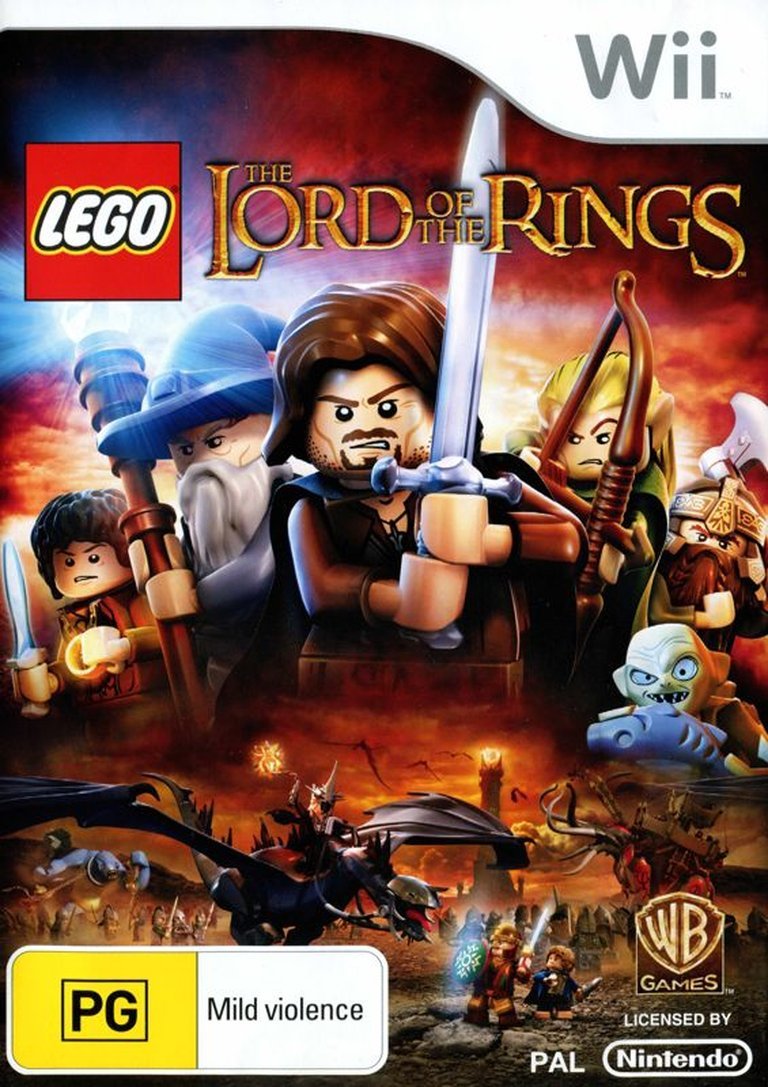
LEGO The Lord of the Rings is an action-adventure game that retells J.R.R. Tolkien’s epic saga of Frodo Baggins and the Fellowship of the Ring as they journey across Middle Earth to destroy the One Ring. Players explore a hub-based map of Middle Earth, engaging in combat, solving puzzles, and collecting treasures while experiencing the story through a humorous lens with spoken dialogues inspired by Peter Jackson’s film trilogy. The game features character-specific abilities, replayable levels in Free Mode, and Mythril block crafting to unlock tools and new characters.
Gameplay Videos
Where to Buy LEGO The Lord of the Rings
LEGO The Lord of the Rings Free Download
LEGO The Lord of the Rings Mods
LEGO The Lord of the Rings Guides & Walkthroughs
LEGO The Lord of the Rings Reviews & Reception
metacritic.com (80/100): It is what it is: An enjoyable time in Middle-earth as all of the favorite characters from the nine members of the Fellowship. The standard issues with LEGO games are there, but with a deep amount of gameplay, numerous characters to choose from, and the feeling of actually watching or reading the trilogy means plenty of fun for those looking for a break from the gory versions of hack-and-slash games.
ign.com : Lego Lord of the Rings is very much a decent puzzle platformer that’s bolstered greatly by its excellent source material, but this may be the last time that being ‘decent’ will be good enough for this series.
polygon.com : Lego Lord of the Rings is more than the best Lego game; it’s the best Lord of the Rings game.
howlongtobeat.com (100/100): My absolute favorite LEGO game. Based on my absolute favorite movies. Win Win!
LEGO The Lord of the Rings Cheats & Codes
PC
Enter codes at the ‘Extras’ menu.
| Code | Effect |
|---|---|
| GD35HC | 8-Bit Music |
| T1JM4R | Action Assist |
| C7FJ7B | Attract Studs |
| UE5Z7H | Berserker |
| J4337V | Bilbo Baggins |
| HTYADU | Boromir (Captain) |
| F3H14H | Boss Disguises |
| PR3V4K | Character Studs |
| RJV4KB | Denethor |
| MX26RJ | Disguises |
| R7XKDH | Easterling |
| A9FB4Q | Elrond (2nd Age) |
| U47AOG | Eomer |
| WS68P2 | Fall Rescue |
| A2LU58 | Fast Build |
| 7B4VWH | Galadriel |
| AVJII1 | Gamling |
| LG5GI7 | Gondor Ranger |
| BU95CB | Grima Wormtongue |
| 73HJP6 | Hama |
| IH7E58 | King of the Dead |
| C2A58D | Lothlorien Elf |
| QL28WB | Lurtz (Newborn) |
| C19F3A | Madril |
| A24TVJ | Minikit Chest Finder |
| B72D7E | Mithril Brick Finder |
| 2MCRDN | Mithril Hearts |
| F4M7FC | Mouth of Sauron |
| D49TXY | Poo Studs |
| EY4K32 | Quest Finder |
| 5LV6EB | Radagast the Brown |
| H5L6N6 | Regenerate Hearts |
| LYQU1F | Ringwraith White |
| PJB6MV | Shagrat |
| 1F5YH2 | Studs x2 |
Xbox 360
Enter one of the following codes at the “Extras” menu to activate the corresponding cheat function.
| Code | Effect |
|---|---|
| GD35HC | 8-Bit Music |
| T1JM4R | Action Assist |
| C7FJ7B | Attract Studs |
| UE5Z7H | Berserker |
| J4337V | Bilbo Baggins |
| HTYADU | Boromir (Captain) |
| F3H14H | Boss Disguises |
| PR3V4K | Character Studs |
| RJV4KB | Denethor |
| MX26RJ | Disguises |
| R7XKDH | Easterling |
| A9FB4Q | Elrond (2nd Age) |
| U47AOG | Eomer |
| WS68P2 | Fall Rescue |
| A2LU58 | Fast Build |
| 7B4VWH | Galadriel |
| AVJII1 | Gamling |
| LG5GI7 | Gondor Ranger |
| BU95CB | Grima Wormtongue |
| 73HJP6 | Hama |
| IH7E58 | King of the Dead |
| C2A58D | Lothlorien Elf |
| QL28WB | Lurtz (Newborn) |
| C19F3A | Madril |
| A24TVJ | Minikit Chest Finder |
| B72D7E | Mithril Brick Finder |
| 2MCRDN | Mithril Hearts |
| F4M7FC | Mouth of Sauron |
| D49TXY | Poo Studs |
| EY4K32 | Quest Finder |
| 5LV6EB | Radagast the Brown |
| H5L6N6 | Regenerate Hearts |
| LYQU1F | Ringwraith White |
| PJB6MV | Shagrat |
| 1F5YH2 | Studs x2 |
Nintendo 3DS
Enter one of the following codes at the ‘Extras’ menu.
| Code | Effect |
|---|---|
| GD35HC | 8-Bit Music |
| T1JM4R | Action Assist |
| C7FJ7B | Attract Studs |
| UE5Z7H | Berserker |
| J4337V | Bilbo Baggins |
| HTYADU | Boromir (Captain) |
| F3H14H | Boss Disguises |
| PR3V4K | Character Studs |
| RJV4KB | Denethor |
| MX26RJ | Disguises |
| R7XKDH | Easterling |
| A9FB4Q | Elrond (2nd Age) |
| U47AOG | Eomer |
| WS68P2 | Fall Rescue |
| A2LU58 | Fast Build |
| 7B4VWH | Galadriel |
| AVJII1 | Gamling |
| LG5GI7 | Gondor Ranger |
| BU95CB | Grima Wormtongue |
| 73HJP6 | Hama |
| IH7E58 | King of the Dead |
| C2A58D | Lothlorien Elf |
| QL28WB | Lurtz (Newborn) |
| C19F3A | Madril |
| A24TVJ | Minikit Chest Finder |
| B72D7E | Mithril Brick Finder |
| 2MCRDN | Mithril Hearts |
| F4M7FC | Mouth of Sauron |
| D49TXY | Poo Studs |
| EY4K32 | Quest Finder |
| 5LV6EB | Radagast the Brown |
| H5L6N6 | Regenerate Hearts |
| LYQU1F | Ringwraith White |
| PJB6MV | Shagrat |
| 1F5YH2 | Studs x2 |
LEGO The Lord of the Rings: Review
Introduction
In the pantheon of licensed video games, few franchises have achieved the delicate balance of faithfulness and playful subversion like Traveller’s Tales’ LEGO adaptations. Yet LEGO The Lord of the Rings stands as a watershed moment—a game that not only embraced Peter Jackson’s cinematic opus but redefined the LEGO series itself. Released in 2012 across seven platforms, it eschewed the franchise’s signature hub worlds for a sprawling, open-world Middle-earth, introduced full voice acting sourced directly from the films, and married Tolkien’s epic narrative with the signature humor of plastic bricks. This review posits that LEGO The Lord of the Rings represents the pinnacle of Traveller’s Tales’ craft: a masterclass in translating beloved lore into interactive joy, where technical ambition occasionally falters but the sheer charm of the execution cements its legacy as a timeless adventure.
Development History & Context
Developed by Traveller’s Tales—the studio synonymous with the LEGO video game empire—LEGO The Lord of the Rings emerged at a pivotal juncture for the franchise. By 2012, the LEGO formula, while beloved, risked stagnation after iterations like LEGO Indiana Jones 2 and LEGO Pirates of the Caribbean offered incremental tweaks. The team, led by director Jon Burton, sought to innovate radically by replacing the traditional hub with a contiguous map of Middle-earth, a move inspired by the open-world success of LEGO Batman 2. Technologically, this ambition strained the hardware of the era, particularly on the Wii and Xbox 360, where pop-in and frame rate dips became recurring complaints.
The gaming landscape of 2012 was saturated with film tie-ins, most of which were critically panned. LEGO The Lord of the Rings distinguished itself by prioritizing authenticity: Warner Bros. licensed Howard Shore’s film score and secured original dialogue recordings, sparing no expense in capturing the essence of Jackson’s trilogy. Notably, the game was skipped on the Wii U due to Traveller’s Tales’ focus on the delayed LEGO City Undercover, and European Wii shipments faced a month-long delay. A notorious launch-day issue saw the Xbox 360 version accidentally shipped with demo discs, prompting a limited recall. Despite these hurdles, the team’s commitment to Tolkien’s world—evident in the inclusion of book-exclusive characters like Tom Bombadil and meticulous environmental design—elevated it beyond mere licensed fare.
Narrative & Thematic Deep Dive
The game’s narrative is a bravura act of condensation and reinterpretation. It distills Tolkien’s three-volume saga into 18 linear levels (six per film), yet preserves the emotional core through a blend of film scenes and LEGO’s signature slapstick. The plot adheres closely to Jackson’s trilogy: from the Shire’s idyllic peace to Mount Doom’s fiery climax, key moments like the Council of Elrond, Gandalf’s fall in Moria, and the Battle of Pelennor Fields are faithfully recreated. Yet the LEGO lens infuses these with humor—Orcs disintegrate into harmless bricks, characters wield frying pans in combat, and Gollum’s internal monologues are punctuated by exaggerated physical comedy. This tonal duality honors both Tolkien’s gravitas and the series’ irreverence, as when Samwise’s gardening hobby becomes a puzzle-solving mechanic or Aragorn’s coronation is undercut by LEGO minifigures stumbling over regal robes.
Dialogue is a masterstroke: all cutscenes feature unedited audio from the films, with Ian McKellen’s Gandalf and Elijah Wood’s Frodo lending gravitas to even the silliest scenarios. The narrative structure cleverly mirrors the books’ multi-perspective storytelling, allowing players to switch between Frodo’s journey and Aragorn’s war campaigns via the in-game Palantír map. Thematic resonance lies in its emphasis on camaraderie; the Fellowship’s bond is reinforced through co-op mechanics, where players must coordinate abilities to progress. Even Sauron’s corruption is symbolized through gameplay, as the One Ring’s influence is represented by environmental hazards and enemy swarms. The result is a narrative that feels both epic and disarmingly human, a testament to Tolkien’s enduring themes translated through plastic and pixels.
Gameplay Mechanics & Systems
LEGO The Lord of the Rings refines the series’ core loop while introducing groundbreaking innovations. At its heart is the open-world Middle-earth, a contiguous map stretching from the Shire to Mordor (excluding Mirkwood and southern lands), accessible on foot, horseback, or via fast-travel. This hub revolutionized exploration, rewarding players with over 80 unlockable characters (e.g., Tom Bombadil, Mini-Balrog) and side quests like fishing challenges or Mithril Brick hunts. Combat remains accessible: light and heavy attack combos defeat Orcs and Uruk-hai, with no permanent death—characters shatter and respawn, losing only studs as currency. Boss battles, however, introduce creativity, such as using light magic to expose Shelob’s weak points or timing sword duels against the Witch-king.
Puzzle-solving evolves with character-specific abilities. Gandalf illuminates dark paths, Legolas fires arrows at distant targets, and Gimli can be thrown at objects—a system that encourages constant character switching. The crafting mechanic, using Mithril Bricks and blueprints, adds RPG depth; forging tools like Elven ropes or grappling hooks removes the need for backtracking, streamlining progression. Free Play mode amplifies replayability by allowing access to all unlocked characters in any level, encouraging 100% completion through minikit collection and stud multipliers.
Yet technical flaws mar the experience. Character switching is clunky, often requiring manual selection during combat, and collision detection can cause fatal missteps. Bugs—like floating LEGO blocks or softlocks in story-critical moments—frustrate, though they are less pervasive than in earlier LEGO titles. Despite these issues, the co-op drop-in/drop-out system remains a highlight, splitting the screen diagonally for seamless teamwork, embodying the game’s spirit of shared adventure.
World-Building, Art & Sound
Traveller’s Tales’ art direction is a love letter to Jackson’s films. Environments—from the hobbit holes of Bag End to the grim architecture of Minas Tirith—are meticulously recreated in LEGO’s signature aesthetic, with chunky textures and vibrant colors that soften Middle-earth’s darkness. Character models are equally faithful, with Elijah Wood’s Frodonian scrunch nose and Viggo Mortensen’s Aragorn’s chiseled features translated into charming blocky forms. The open world impresses scale, though distant landscapes suffer from blurriness on consoles. Still, the dynamic day/night cycle and weather effects (e.g., rain in Mordor) immerse players in Tolkien’s world.
Sound design elevates the experience. Howard Shore’s iconic score swells during epic moments, while original voice clips from the films—Gandalf’s “You shall not pass!” or Gollum’s “My precious!”—ground the absurdity in authenticity. Environmental audio, from the clatter of Hobbiton to the growls of Orcs, enhances immersion. Complementing this is a whimsical original soundtrack during quieter exploration, with lutes and flutes underscoring the Shire’s pastoral charm. The only auditory misstep is the occasional repetitive line in side quests, but this is a minor flaw in an otherwise stellar soundscape.
Reception & Legacy
At launch, LEGO The Lord of the Rings was met with widespread acclaim, earning a Metacritic score of 80 for PS3 and Xbox 360. Critics lauded its faithful adaptation, Eurogamer declaring it “the perfect source material for a Lego game” due to its blend of epic scale and small-person heroism. Trusted Reviews crowned it “not simply the best Lego game to date but the best adaptation of The Lord of the Rings as well.” However, handheld versions (Vita, 3DS) were criticized for technical compromises, while IGN noted repetitive gameplay and camera issues. Commercially, it sold over 3.6 million copies by 2013, becoming a staple of holiday 2012.
Its legacy is multifaceted. The game set a new benchmark for LEGO open worlds, influencing successors like LEGO Marvel Super Heroes. It revitalized the LOTR gaming franchise, which had been dominated by lackluster titles like The Lord of the Rings: Conquest. Critically, it received BAFTA nominations for Best British and Family Game, cementing its cultural impact. The 2019 delisting due to licensing issues sparked outcry, but its 2020 Steam re-release and Xbox backward compatibility proved its enduring appeal. Today, it is remembered as the LEGO series’ most ambitious and emotionally resonant entry—a game where the journey through Middle-earth feels both grand and gloriously small.
Conclusion
LEGO The Lord of the Rings is more than a game; it is a testament to the power of adaptation. Traveller’s Tales, by marrying Tolkien’s mythos with LEGO’s playful spirit, created an experience that honors both its source material and the interactive medium. Technical hiccups and occasional repetition hold it back from perfection, but its open-world ambition, voice-acted authenticity, and co-op charm are unmatched. For fans of Tolkien or the LEGO series, it remains a masterpiece—a journey where the fate of Middle-earth rests not in the hands of kings, but in the click of plastic bricks. In the end, this game achieves what few licensed titles dare: it makes us believe that even the smallest hero can rule them all.