
- Release Year: 2021
- Platforms: Linux, Macintosh, Nintendo Switch, PlayStation 4, Windows, Xbox One
- Publisher: neko.works
- Developer: neko.works
- Genre: Role-playing, RPG
- Perspective: 3rd-person
- Game Mode: Single-player
- Gameplay: Japanese-style RPG, Turn-based combat
- Setting: Fantasy
- Average Score: 77/100
Description
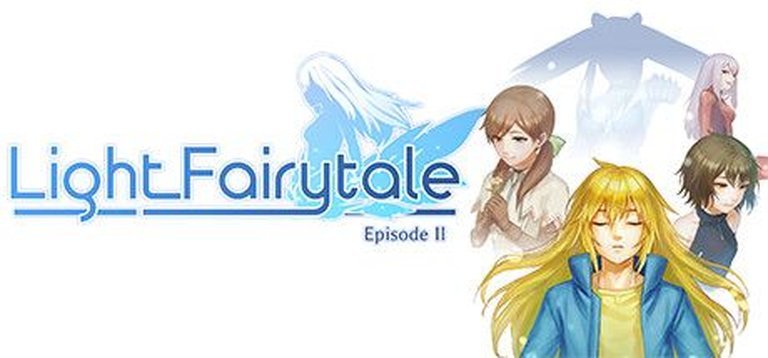
Light Fairytale: Episode II is a turn-based Japanese-style RPG (JRPG) set in a dystopian world dominated by an evil empire, where players follow young heroes rebelling against oppressive forces. Featuring anime-inspired visuals, strategic combat, and episodic storytelling, the game expands its fantasy universe with new dungeons and characters while maintaining classic JRPG mechanics and a linear narrative focused on defiance and discovery.
Gameplay Videos
Where to Buy Light Fairytale: Episode II
PC
Light Fairytale: Episode II Guides & Walkthroughs
Light Fairytale: Episode II Reviews & Reception
metacritic.com (70/100): Light Fairytale Episode 2 is a no-brainer pickup for anyone who has played and completed the prequel, as they look to pick up where things left off.
thexboxhub.com (70/100): Light Fairytale Episode 2 is a welcome continuation of a quirky yet experimental JRPG tribute, and while it’s far from being a genre exemplar, it does get some things right by being a genuine improvement over its own predecessor.
nodegamers.com (70/100): This was a massive leap from the first episode of the series. I’m now invested in the story and I wish we could have more.
garylodgegamesreviewgame.blog (80/100): Overall is short and basic but is a great sequel to the original with new ideas and fun is perfect for new players to the genre and good value for the value of £8.39.
Light Fairytale: Episode II: Review
In the ever-evolving landscape of Japanese-style RPGs, “Light Fairytale: Episode II” stands out as a beacon of nostalgia and innovation. Developed and published by the French indie studio neko.works, this turn-based JRPG continues the story of Haru and his companions in a dying underground world ruled by an evil empire. With its charming aesthetics, engaging combat, and a narrative that promises depth, “Light Fairytale: Episode II” is a must-play for fans of the genre. This review will delve into the game’s development history, narrative themes, gameplay mechanics, world-building, and its reception, providing a comprehensive analysis of its place in video game history.
Development History & Context
The Studio and Creators’ Vision
neko.works, a one-person indie game studio based in France, has a unique vision: to bring back the immersion and emotion of 90s-era JRPGs on current platforms with modern design and technique. The studio’s previous work, “Super Night Riders,” showcased their ability to blend retro-inspired gameplay with contemporary visuals. “Light Fairytale: Episode II” is the second installment in a series that aims to capture the essence of classic JRPGs while adding modern twists.
Technological Constraints and Gaming Landscape
Released in May 2021, “Light Fairytale: Episode II” entered a gaming landscape dominated by high-budget, AAA titles. Despite the technological constraints of being an indie project, the game leverages the Unity engine to deliver modern real-time 3D graphics and turn-based combat that happens directly on the field. This approach allows the game to stand out in a market saturated with action-oriented RPGs.
Narrative & Thematic Deep Dive
Plot and Characters
The narrative of “Light Fairytale: Episode II” picks up right after the cliffhanger from Episode I. Haru and Ayaka, a beautiful woman who cares for almost extinct “flowers,” embark on a journey to uncover the mysteries of the Deeplands while searching for a way to reunite with Kuroko. Along the way, they encounter a mysterious silver-haired girl who adds layers of intrigue to the story.
The plot is rich with themes of friendship, sacrifice, and the struggle against oppression. Haru’s dreams of the sky, despite never having seen it, symbolize his longing for freedom and a better world. The Mysterious Girl, with her fierce words and fragile heart, represents the duality of strength and vulnerability. These themes are woven into the narrative, creating a tapestry of emotional depth that resonates with players.
Dialogue and World-Building
The dialogue in “Light Fairytale: Episode II” is well-written, with each character having a distinct voice and personality. The interactions between Haru, Ayaka, and the Mysterious Girl are particularly engaging, as they reveal glimpses into their pasts and motivations. The world-building is impressive, with the Deeplands serving as a stark contrast to the more familiar underground settings of previous episodes. The environment is filled with unique flora and fauna, adding to the game’s immersive atmosphere.
Gameplay Mechanics & Systems
Core Gameplay Loops
The core gameplay loop of “Light Fairytale: Episode II” revolves around exploration, combat, and character progression. Players navigate the Deeplands, uncovering secrets and battling enemies in turn-based combat. The combat system has been refined from the first episode, with new moves, specials, and summoning mechanics that add depth and strategy.
Combat and Character Progression
Combat in “Light Fairytale: Episode II” is turn-based but happens directly on the field, allowing for a more dynamic experience. The inclusion of summoning mechanics adds a layer of strategy, as players must decide when to use their summons to gain an advantage. Character progression is handled through experience points and leveling up, with each character having unique abilities and upgrades.
UI and Innovative Systems
The user interface is clean and intuitive, with all necessary information displayed clearly during combat and exploration. The game’s innovative systems, such as the ability to import saves from previous episodes, enhance the overall experience by providing continuity and depth.
World-Building, Art & Sound
Setting and Atmosphere
The setting of “Light Fairytale: Episode II” is a dying underground world ruled by an evil empire. The Deeplands, with their frigid landscape and unique flora, serve as a stark contrast to the more familiar settings of previous episodes. The atmosphere is immersive, with a sense of mystery and danger lurking around every corner.
Visual Direction
The visual direction of “Light Fairytale: Episode II” is a blend of modern real-time 3D graphics and retro-inspired aesthetics. The character models are charming, with a Claymation-style that adds to the game’s unique appeal. The environments are detailed and immersive, with a consistent use of texture mapping that enhances the overall visual experience.
Sound Design
The sound design of “Light Fairytale: Episode II” is top-notch, with a soundtrack that complements the game’s atmosphere perfectly. The music is evocative, with themes that range from melancholic to uplifting, depending on the situation. The sound effects are well-integrated, adding to the game’s immersive experience.
Reception & Legacy
Critical and Commercial Reception
“Light Fairytale: Episode II” received positive reviews from critics and players alike. The game’s charming aesthetics, engaging combat, and rich narrative were praised, with many noting its ability to capture the essence of classic JRPGs while adding modern twists. The game’s short playtime was a point of contention, with some critics wishing for more content. However, the overall reception was positive, with the game achieving a “Very Positive” rating on Steam.
Influence on Subsequent Games and the Industry
“Light Fairytale: Episode II” has had a significant influence on subsequent games and the industry as a whole. Its blend of retro-inspired gameplay and modern visuals has inspired other indie developers to explore similar themes and mechanics. The game’s success has also highlighted the potential of episodic storytelling in the JRPG genre, paving the way for other developers to experiment with this format.
Conclusion
“Light Fairytale: Episode II” is a standout title in the JRPG genre, offering a unique blend of nostalgia and innovation. Its charming aesthetics, engaging combat, and rich narrative make it a must-play for fans of the genre. Despite its short playtime, the game’s depth and emotional resonance ensure that it leaves a lasting impression. As the series continues with Episodes 3 and 4, the future looks bright for “Light Fairytale,” and its place in video game history is already secure. Whether you’re a longtime fan of JRPGs or a newcomer to the genre, “Light Fairytale: Episode II” is an experience not to be missed.