
- Release Year: 2017
- Platforms: Linux, Macintosh, Windows
- Publisher: Sekai Project, Inc.
- Developer: Ebi-hime
- Genre: Adventure
- Perspective: 1st-person
- Game Mode: Single-player
- Gameplay: Visual novel
- Setting: Anime, Manga
- Average Score: 74/100
Description
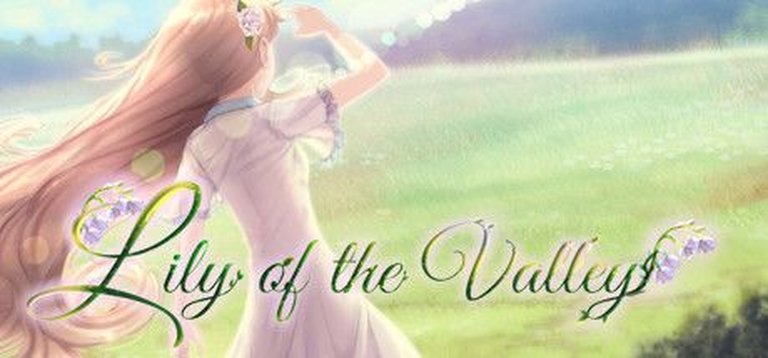
Lily of the Valley is a visual novel set in the Welsh countryside, where a middle-aged man returns home after ten years to attend his mother’s funeral. During his stay, he encounters a mysterious young girl who bears a striking resemblance to his childhood sweetheart. As their unusual friendship develops, he grapples with her eerie fascination with death and her cryptic knowledge of his past, leading to a haunting exploration of grief, memory, and the supernatural.
Where to Buy Lily of the Valley
PC
Lily of the Valley Patches & Updates
Lily of the Valley Mods
Lily of the Valley Guides & Walkthroughs
Lily of the Valley Reviews & Reception
metacritic.com (60/100): Lily of the Valley is best enjoyed in a single sitting on a quiet day.
opencritic.com (60/100): Lily of the Valley is best enjoyed in a single sitting on a quiet day.
gameramble.com (83/100): Lily of the Valley is a great update of the free visual novel released by ebi-hime in 2014.
steambase.io (93/100): Lily of the Valley has earned a Player Score of 93 / 100.
Lily of the Valley: A Hauntingly Beautiful Exploration of Grief and Memory
Introduction
In the vast landscape of visual novels, few works manage to carve out a space as poignant and unforgettable as Lily of the Valley. Released in 2017 by indie developer ebi-hime, this short but profound narrative experience is a masterclass in emotional storytelling, blending melancholy, mystery, and introspection into a tightly woven tapestry. At its core, Lily of the Valley is a meditation on grief, memory, and the fragile nature of human connection, wrapped in the guise of a seemingly innocuous encounter between a middle-aged man and a mysterious young girl in the Welsh countryside.
The game’s legacy is one of quiet reverence. Unlike the bombastic, fan-service-driven visual novels that dominate the genre, Lily of the Valley eschews spectacle in favor of raw, unfiltered emotion. It is a title that lingers in the mind long after the credits roll, its themes resonating with anyone who has ever grappled with loss or the weight of unresolved regrets. This review aims to dissect the game’s many layers—its development history, narrative depth, gameplay mechanics, artistic direction, and lasting impact—while arguing that Lily of the Valley stands as one of the most underrated yet essential visual novels of the past decade.
Development History & Context
The Rise of ebi-hime
Lily of the Valley is the brainchild of ebi-hime, a prolific indie developer and writer who has become a stalwart in the English-language visual novel scene. Known for her deeply personal and often melancholic narratives, ebi-hime’s works—such as Sweetest Monster, Asphyxia, and The Way We All Go—frequently explore themes of death, mental health, and existential dread. Her partnership with publisher Sekai Project has helped bring her games to a wider audience, but Lily of the Valley predates this collaboration, originally releasing as a free title in 2014 before being remastered in 2017.
The 2017 remake is the definitive version of the game, featuring updated artwork, a refined script, and a new soundtrack. This iteration was made possible through the use of the Ren’Py engine, a popular tool for visual novel development, which allowed ebi-hime to streamline the game’s presentation and accessibility. The remake’s commercial release—priced at a modest $2.99—was a testament to the game’s growing cult following and the developer’s commitment to refining her craft.
Technological and Artistic Constraints
The original 2014 version of Lily of the Valley was a product of its time, constrained by the limitations of indie development. The artwork, while charming, was more rudimentary, and the soundtrack was sparse. The 2017 remake addressed these limitations by enlisting the talents of artist SillySelly (known for Strawberry Vinegar and Empty Horizons) and composer yuzuki, whose haunting piano melodies elevate the game’s emotional weight.
The game’s development also reflects the broader trends in the visual novel genre during the mid-2010s. As the medium gained traction in the West, developers like ebi-hime began experimenting with more mature, introspective themes, moving away from the anime tropes that had long dominated the space. Lily of the Valley is a prime example of this shift, offering a narrative that is both deeply personal and universally relatable.
The Gaming Landscape at Release
Lily of the Valley arrived at a time when visual novels were experiencing a renaissance, thanks in part to the success of titles like Doki Doki Literature Club! and Clannad. However, it stood apart from its contemporaries by eschewing traditional romance or horror elements in favor of a more subdued, psychological approach. Its release on Steam in 2017—alongside other indie darlings—helped it find an audience, albeit a niche one. The game’s critical reception was warm but muted, with many reviewers praising its emotional depth while noting its brevity and lack of traditional gameplay mechanics.
Narrative & Thematic Deep Dive
Plot Summary
Lily of the Valley follows an unnamed protagonist, a 34-year-old man who returns to his childhood home in Wales to attend his mother’s funeral. His mother’s death—caused by choking on a bran muffin—is as absurd as it is tragic, setting the tone for a story that oscillates between dark humor and profound sorrow. The protagonist, a disillusioned call center worker, finds himself adrift in his childhood home, surrounded by grieving family members and the ghosts of his past.
During a walk through the countryside, he encounters Lily, a young girl with an eerie resemblance to his childhood sweetheart. Lily is an enigmatic figure, her words often cryptic and her demeanor unsettlingly calm. As the protagonist spends more time with her, he begins to unravel the mysteries surrounding her identity: How did she know his mother? Why is she so fascinated with death? And why does she look so much like someone from his past?
The narrative unfolds over thirteen short chapters, each revealing new layers of the protagonist’s psyche and the truth behind Lily’s existence. The story is largely linear, with only one major choice near the end that determines the protagonist’s fate. This choice leads to one of two endings, both of which are bittersweet and open to interpretation.
Character Analysis
-
The Protagonist: A deeply flawed and relatable figure, the protagonist is a man haunted by regret and stagnation. His internal monologue is a stream of cynical observations, self-deprecating humor, and fleeting moments of vulnerability. His return to Wales forces him to confront the failures of his adult life—his dead-end job, his failed relationships, and his estrangement from his family. His interactions with Lily serve as a catalyst for self-reflection, though whether this leads to growth or further despair is left ambiguous.
-
Lily: The titular character is the story’s most intriguing enigma. Her childlike appearance belies a wisdom and detachment that suggest something otherworldly. Lily’s fascination with death and her knowledge of the protagonist’s mother hint at a supernatural connection, though the game never explicitly confirms her nature. She serves as both a mirror and a foil to the protagonist, reflecting his own fears and regrets while offering a detached, almost clinical perspective on mortality.
-
Hazel: The protagonist’s teenage sister, Hazel, is a grounding presence in the narrative. Her grief over their mother’s death is raw and unfiltered, contrasting with the protagonist’s emotional detachment. Hazel’s interactions with her brother highlight the generational divide in how they process loss, with Hazel’s youthful idealism clashing with her brother’s jaded worldview.
Themes
-
Grief and Loss: At its heart, Lily of the Valley is a story about mourning. The protagonist’s return to Wales is not just a physical journey but an emotional one, forcing him to confront the death of his mother and the unresolved grief of his past. The game explores the different ways people cope with loss—through denial, anger, acceptance, or even surreal encounters with the supernatural.
-
Memory and Nostalgia: The Welsh countryside serves as a backdrop for the protagonist’s memories, both fond and painful. His walks with Lily become a journey through his own past, as he recalls childhood picnics, failed relationships, and the slow unraveling of his family. The game’s use of flashbacks and introspective narration underscores the fragility of memory and the way it shapes our present.
-
Existential Dread: The protagonist’s life is a study in quiet desperation. His job, his relationships, and even his return home are marked by a sense of futility. Lily’s presence amplifies this dread, as her cryptic remarks about death and the afterlife force the protagonist to question the meaning of his own existence.
-
The Supernatural as Metaphor: While Lily of the Valley flirts with supernatural elements, it never commits to a definitive explanation for Lily’s true nature. This ambiguity allows the game to use Lily as a metaphor for grief itself—an inescapable, almost spectral presence that haunts the protagonist until he confronts it.
Dialogue and Writing Style
ebi-hime’s writing is the game’s greatest strength. The protagonist’s internal monologue is sharp, witty, and deeply human, blending dark humor with moments of profound sadness. The dialogue between the protagonist and Lily is particularly striking, with Lily’s detached, almost poetic observations contrasting with the protagonist’s cynical pragmatism. The game’s prose is economical yet evocative, with every line serving to deepen the narrative’s emotional impact.
Gameplay Mechanics & Systems
Core Gameplay Loop
Lily of the Valley is, at its core, a kinetic novel—a visual novel with minimal player interaction. The gameplay is straightforward: players read through the story, occasionally making choices that influence the narrative’s direction. The lack of traditional gameplay mechanics is not a detriment but rather a deliberate choice, allowing the story and characters to take center stage.
The game is divided into thirteen chapters, each advancing the plot through a combination of narration, dialogue, and occasional CG (computer graphics) scenes. The pacing is deliberate, with the story unfolding at a measured pace that allows players to absorb the emotional weight of each scene.
The Illusion of Choice
While Lily of the Valley is primarily a kinetic novel, it does feature one critical choice near the end of the story. This choice determines which of the two endings the player experiences:
- The “Acceptance” Ending: The protagonist comes to terms with his grief and the truth about Lily, leading to a bittersweet but hopeful resolution.
- The “Denial” Ending: The protagonist refuses to confront his emotions, resulting in a darker, more ambiguous conclusion.
Both endings are thematically rich, and the game encourages players to experience both to fully grasp the narrative’s depth. Completing both endings unlocks an epilogue that provides additional context and closure.
UI and Presentation
The game’s user interface is minimalist and functional, designed to keep the focus on the story. The text is presented in a clean, readable font, with character sprites appearing during dialogue scenes. The remake’s updated artwork is a significant improvement over the original, with SillySelly’s illustrations lending a dreamlike quality to the proceedings.
One notable feature is the ability to toggle between the original 2014 artwork and the 2017 remake’s visuals. This option is a nice touch for longtime fans and showcases the evolution of the game’s aesthetic.
Innovations and Flaws
Lily of the Valley’s greatest innovation is its willingness to eschew traditional visual novel tropes in favor of a more introspective, character-driven narrative. However, this approach may not appeal to players seeking more interactive or gameplay-heavy experiences. The game’s brevity—clocking in at around two hours—is both a strength and a weakness. While it ensures a tight, focused narrative, some players may find it too short to fully invest in the characters.
The lack of voice acting is another potential drawback, though the game’s reliance on text allows players to immerse themselves in the protagonist’s internal monologue. The soundtrack, composed by yuzuki, is a standout feature, with its haunting piano melodies perfectly complementing the story’s melancholic tone.
World-Building, Art & Sound
Setting and Atmosphere
Lily of the Valley is set in the Welsh countryside, a location that plays a crucial role in shaping the game’s atmosphere. The rolling hills, misty valleys, and quiet villages evoke a sense of nostalgia and isolation, mirroring the protagonist’s emotional state. The game’s use of photographic backgrounds—overlaid with character sprites—creates a striking contrast between the real and the surreal, reinforcing the dreamlike quality of the narrative.
The protagonist’s childhood home is another key setting, filled with mundane yet emotionally charged details. From the family photographs to the half-empty rooms, every element of the environment serves to deepen the sense of loss and longing that permeates the story.
Visual Direction
The 2017 remake’s artwork, courtesy of SillySelly, is a significant upgrade from the original. The character designs are expressive and detailed, with Lily’s ethereal appearance standing out as a visual centerpiece. The game’s use of color is subdued, with a palette dominated by soft blues, greens, and grays, reflecting the story’s melancholic tone.
The option to switch between the original and remake artwork is a thoughtful inclusion, allowing players to experience the game’s evolution firsthand. The original sprites, while less polished, have a charm of their own, and their inclusion adds a layer of meta-narrative to the experience.
Sound Design
The soundtrack, composed by yuzuki, is one of the game’s most memorable aspects. The haunting piano melodies—ranging from gentle and reflective to somber and mournful—perfectly complement the narrative’s emotional beats. Tracks like “Lily’s Theme” and “The Valley” are particularly effective, using minimalist compositions to evoke a sense of longing and introspection.
The game’s sound effects are sparse but effective, with ambient noises like rustling leaves and distant church bells adding to the immersive atmosphere. The lack of voice acting is a deliberate choice, allowing players to focus on the text and the music without distraction.
Reception & Legacy
Critical Reception
Lily of the Valley received generally positive reviews upon its 2017 release, with critics praising its emotional depth, writing, and atmosphere. Hardcore Gamer’s Marcus Estrada described it as “best enjoyed in a single sitting on a quiet day,” highlighting its ability to draw players into its melancholic world. GAMERamble awarded the game an 8.3/10, commending its “unique and captivating” story and “hauntingly beautiful soundtrack.”
However, the game’s brevity and lack of traditional gameplay mechanics were noted as potential drawbacks. Some critics felt that the story’s emotional impact was somewhat diminished by its short runtime, while others argued that the game’s linear nature limited its replayability.
Commercial Performance
As a niche indie title, Lily of the Valley did not achieve mainstream commercial success. However, its modest price point and strong word-of-mouth recommendations helped it find a dedicated audience. The game’s presence on Steam, alongside other ebi-hime titles, has ensured a steady stream of new players, many of whom discover it through recommendations or curated lists of underrated visual novels.
Cultural Impact and Influence
While Lily of the Valley may not have the same level of recognition as other visual novels, its influence can be seen in the growing trend of introspective, character-driven narratives in the genre. Games like Sweetest Monster and The Way We All Go—also by ebi-hime—share similar themes and storytelling techniques, suggesting that Lily of the Valley helped pave the way for more mature, emotionally complex visual novels.
The game’s exploration of grief and memory has also resonated with players on a personal level, with many citing it as a cathartic experience. Its themes of loss and nostalgia are universal, and its willingness to tackle these subjects with honesty and nuance has earned it a place in the hearts of those who have played it.
Evolution of Reputation
In the years since its release, Lily of the Valley has gained a reputation as a hidden gem within the visual novel community. Its inclusion in lists of underrated indie games and its strong player reviews on Steam (where it holds a “Very Positive” rating) have helped solidify its status as a cult classic. The game’s themes and storytelling continue to be discussed in online forums and social media, with players sharing their interpretations of Lily’s true nature and the story’s ambiguous ending.
Conclusion
Lily of the Valley is a masterpiece of emotional storytelling, a visual novel that transcends the limitations of its medium to deliver a profound and unforgettable experience. Its exploration of grief, memory, and existential dread is handled with a rare combination of honesty and poetic grace, making it a standout title in a genre often dominated by more superficial narratives.
While its brevity and linear structure may not appeal to all players, those who appreciate introspective, character-driven stories will find much to love in Lily of the Valley. Its haunting soundtrack, evocative artwork, and sharp writing combine to create an atmosphere that lingers long after the game is over.
In the pantheon of visual novels, Lily of the Valley may not be the most well-known or commercially successful, but it is undoubtedly one of the most emotionally resonant. It is a testament to the power of storytelling in games, proving that even the simplest of mechanics can be elevated by a compelling narrative and a deep understanding of the human condition.
Final Verdict: 9/10 – A Hauntingly Beautiful Masterpiece
Lily of the Valley is not just a game; it is an experience. It is a quiet, introspective journey through grief and memory, and it deserves to be remembered as one of the most poignant visual novels of its generation. For those willing to embrace its melancholy, it offers a rare and deeply moving exploration of what it means to confront loss—and perhaps, in doing so, find a measure of peace.