
- Release Year: 2020
- Platforms: Windows
- Genre: Action
- Perspective: Isometric
- Game Mode: Single-player
- Gameplay: Beat ’em up, Shooter, Twin-stick shooter
- Setting: Cyberpunk, Futuristic
- Average Score: 80/100
Description
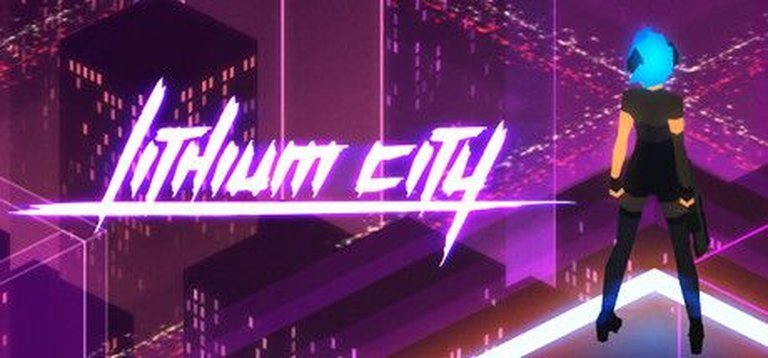
Lithium City is a cyberpunk-themed action game that blends twin-stick shooter and beat ’em up mechanics in a neon-lit, isometric cityscape. Players navigate through fast-paced combat encounters, clearing rooms of enemies using a mix of shooting and melee attacks. The game emphasizes creative and spontaneous solutions to evolving kinetic challenges, offering a short but intense experience filled with stylish visuals and satisfying gameplay.
Gameplay Videos
Where to Buy Lithium City
Lithium City Cracks & Fixes
Lithium City Patches & Updates
Lithium City Guides & Walkthroughs
Lithium City Reviews & Reception
metacritic.com (80/100): Lithium City’s neon violence is a fountain of ideas that expands until it explodes.
opencritic.com (80/100): Lithium City’s neon violence is a fountain of ideas that expands until it explodes.
toomuchgaming.net : In my hectic thirties, Lithium City is exactly the kind of action game I find myself drawn to and enjoying: short, simple, polished, punishing but fair, and stripped-down to the barest minimum to emphasize clarity and precision even in the most hectic of situations.
Lithium City: Review
In an era of sprawling open worlds and endless progression systems, Lithium City arrives as a sharp, neon-soaked dagger—brief, brutal, and unforgettable. This isometric action game distills the twin-stick shooter and beat ’em up genres into a concentrated dose of kinetic satisfaction, delivering a two-to-three-hour adrenaline rush that feels both nostalgic and refreshingly modern. Developed by Nico Tuason and released in June 2020, Lithium City is a masterclass in minimalist design, proving that sometimes, less truly is more.
Development History & Context
Lithium City emerged from the vision of solo developer Nico Tuason, a testament to the power of indie game development. Released during the height of the COVID-19 pandemic, the game arrived as a beacon of pure, unadulterated gameplay in a year dominated by delays and uncertainty. Tuason’s approach was deliberate: strip away the bloat of modern gaming and focus on tight, responsive mechanics and meticulously crafted levels.
The game’s development was influenced by classics like Hotline Miami, SUPERHOT, and Titanfall 2, but Tuason’s vision was uniquely his own. By combining the fast-paced, room-clearing action of twin-stick shooters with the close-quarters brutality of beat ’em ups, he created a hybrid that feels both familiar and innovative. The result is a game that doesn’t overstay its welcome, instead leaving players craving just one more run.
Narrative & Thematic Deep Dive
Lithium City tells its story without a single line of dialogue, relying instead on environmental storytelling and non-verbal cues. You play as Tsunami, a blue-haired assassin navigating a dystopian, neon-drenched cityscape. The game’s prologue hints at a larger narrative—Tsunami is part of a world of cybernetic warriors, trained for combat and controlled by unseen forces.
The game’s themes are subtle but powerful. It explores the dehumanizing nature of corporate control, the loss of individuality in a mechanized society, and the struggle for freedom in a world that seeks to suppress it. The final boss battle, a confrontation with a rival assassin, serves as a metaphor for breaking free from the chains of control. The ending, open to interpretation, suggests that Tsunami’s victory is bittersweet—she has escaped, but at what cost?
The game’s visual design reinforces these themes. The stark, minimalist aesthetic—glowing neon against dark, oppressive environments—creates a sense of isolation and tension. The use of translucent walls and sharp, angular designs evokes a world that is both beautiful and alienating.
Gameplay Mechanics & Systems
At its core, Lithium City is a game about movement and precision. Tsunami’s dash ability is the heart of the gameplay, allowing her to zip around enemies, dodge attacks, and close the distance for devastating melee strikes. The game’s controls are simple—dash, attack, pick up weapons, and throw them—but the depth comes from how these mechanics are layered and combined.
The game’s level design is a masterclass in pacing and variety. Each of the six chapters introduces new enemy types, weapons, and environmental challenges, ensuring that the gameplay never feels repetitive. Early levels focus on melee combat, with Tsunami using her fists and whatever weapons she can find. As the game progresses, firearms become more prominent, adding a twin-stick shooter element to the mix.
The weapons themselves are diverse and satisfying. From pipes and knives to pistols, shotguns, and even futuristic light discs, each weapon feels distinct and impactful. The game’s physics engine adds an extra layer of chaos, with thrown weapons bouncing off walls and enemies reacting realistically to impacts.
The difficulty curve is well-balanced, with early levels serving as a tutorial and later levels ramping up the challenge. The final boss, in particular, is a test of skill and patience, requiring players to learn her attack patterns and adapt their strategies on the fly.
World-Building, Art & Sound
Lithium City’s world is a character in itself. The game’s isometric perspective and minimalist art style create a sense of depth and immersion, with glowing neon accents and sharp, angular designs evoking a futuristic, cyberpunk aesthetic. The use of translucent walls and dynamic lighting adds to the game’s visual appeal, creating a sense of depth and atmosphere.
The game’s sound design is equally impressive. Composer John Camara’s synthwave soundtrack is a perfect match for the game’s aesthetic, blending pulsing electronic beats with orchestral elements to create a sense of urgency and tension. The sound effects—clanging metal, crackling electricity, and the satisfying thud of a well-placed punch—add to the game’s visceral impact.
The game’s UI is minimalist, with health and ammo indicators kept to a minimum to maintain the cinematic feel. This design choice enhances the immersion, allowing players to focus on the action without distractions.
Reception & Legacy
Upon its release, Lithium City received widespread critical acclaim. Reviewers praised its tight gameplay, stylish visuals, and innovative mechanics. On Steam, the game holds a “Very Positive” rating, with over 92% of user reviews being positive. Critics compared it favorably to classics like Hotline Miami and SUPERHOT, while also noting its unique blend of genres.
The game’s brevity was a point of contention for some, but most agreed that its concise runtime was a strength rather than a weakness. In an industry where games often overstay their welcome, Lithium City’s willingness to end on a high note was refreshing.
The game’s legacy lies in its influence on the indie game scene. It demonstrated that a small, focused experience could compete with larger, more ambitious titles, inspiring other developers to prioritize quality over quantity. Its success also highlighted the enduring appeal of twin-stick shooters and beat ’em ups, proving that these genres still have a place in modern gaming.
Conclusion
Lithium City is a triumph of minimalist design and focused gameplay. It takes the best elements of twin-stick shooters and beat ’em ups, combines them with a stylish, neon-soaked aesthetic, and delivers a two-to-three-hour experience that is as satisfying as it is memorable. Its brevity may be a drawback for some, but for those who appreciate tight, polished gameplay, Lithium City is a must-play.
In a gaming landscape dominated by sprawling open worlds and endless progression systems, Lithium City is a reminder that sometimes, the most impactful experiences are the ones that know when to end. It’s a game that doesn’t waste your time, instead delivering a concentrated dose of adrenaline and satisfaction. For that, it deserves its place as one of the standout indie games of 2020—and a shining example of what indie development can achieve.