
- Release Year: 2019
- Platforms: Windows
- Publisher: upjers GmbH & Co. KG
- Developer: upjers GmbH & Co. KG
- Genre: Simulation, Strategy, Tactics
- Perspective: Diagonal-down
- Game Mode: Single-player
- Gameplay: City building, construction simulation
- Setting: Fantasy
- Average Score: 38/100
Description
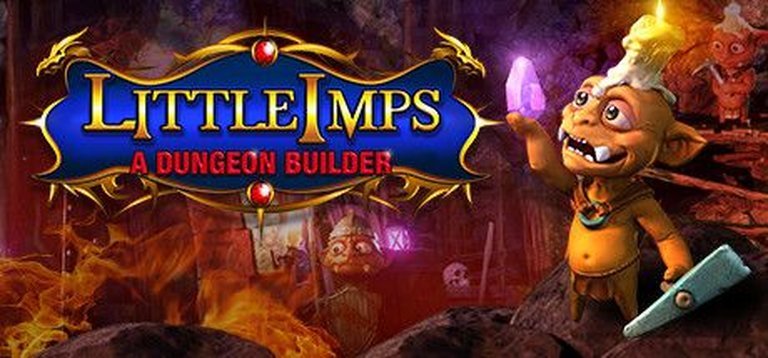
Little Imps: A Dungeon Builder is a fantasy-themed simulation and strategy game where players take on the role of an underworld ruler. The objective is to create and manage your own dungeon, conquer cities, and subjugate various menacing creatures to do your bidding. The game features isometric graphics and a diagonal-down perspective, providing a unique and immersive experience as you excavate and build your lair.
Gameplay Videos
Little Imps: A Dungeon Builder Mods
Little Imps: A Dungeon Builder Reviews & Reception
steambase.io (38/100): Player Score of 38 / 100, giving it a Mostly Negative rating.
Little Imps: A Dungeon Builder: Review
Introduction
In the pantheon of dungeon management simulators—a genre revitalized by titles like Dungeon Keeper and War for the Overworld—Little Imps: A Dungeon Builder emerges as a curious footnote. Released in 2019 by German studio upjers GmbH & Co. KG, known primarily for casual browser games, Little Imps promised a blend of subterranean tycoon-strategy and dark fantasy whimsy. Yet, its legacy is defined by unfulfilled ambition: a game shackled by technical missteps, underdeveloped systems, and a swift descent into obscurity. This review excavates its turbulent history, dissects its mechanics, and evaluates its fleeting cultural footprint, arguing that Little Imps is a cautionary tale of potential strangled by execution.
Development History & Context
upjers GmbH & Co. KG, a studio specializing in free-to-play browser titles like Farmerama and Drakensang Online, ventured into Steam’s premium market with Little Imps. The game’s 2019 release coincided with a resurgence in niche simulation genres, yet it bore the hallmarks of its developer’s browser-centric roots: always-online connectivity, simplistic UI design, and a monetization-adjacent grind structure ill-suited for a paid product.
Technologically, Little Imps leveraged an isometric 2D engine optimized for low-spec PCs, echoing early-2000s browser aesthetics rather than contemporary Steam standards. This decision likely stemmed from upjers’ expertise in lightweight web games—but in an era defined by RimWorld’s depth and Oxygen Not Included’s polish, Little Imps felt archaic at launch. Its online-only requirement, a relic of upjers’ freemium pedigree, alienated players seeking a traditional single-player experience and became a recurring pain point in community forums.
Narrative & Thematic Deep Dive
Little Imps frames players as aspiring underworld overlords, tasking them with transforming a “couple of rooms” into a labyrinthine dungeon empire. The narrative is skeletal, serving primarily as scaffolding for gameplay: “scrawny earth imps” are your first laborers, their lethargy overcome through divine shrines (a thinly veiled progression system). The tone leans into dark comedy—impish minions grumble about unpaid labor, while flavor text mocks the absurdity of underworld bureaucracies.
Yet, thematic cohesion unravels quickly. Promised “subjects” like goblins, trolls, and vampires are reduced to glorified UI icons, devoid of personality or narrative purpose. Quests and dialogues regurgitate tired fantasy tropes (“conquer cities,” “master dragon battles”) without subverting or enriching them. The game’s attempt at villainous wish-fulfillment—a pillar of the dungeon-management genre—feels hollow, as players are never truly allowed to embody cruelty or cunning. Instead, they manage spreadsheets disguised as dungeons.
Gameplay Mechanics & Systems
At its core, Little Imps is a multi-layered resource manager with construction, combat, and social elements:
1. Dungeon Construction: Players carve caverns, lay flooring (which dictates room function), and assign imps to tasks like cooking or rubble-clearing.
2. Minion Management: Imp motivation relies on constructing shrines—a novel twist on worker efficiency, but one that devolves into repetitive prayer-micro.
3. Strategic Warfare: Raids, city conquests, and co-op “Horde” dragon battles are advertised but underbaked, offering minimal tactical depth.
4. Progression Systems: Research trees and “Glory Levels” gate advancements, though community guides reveal these systems are plagued by grind and imbalance.
Critical Flaws:
- Pathfinding & AI: Steam forums detail pervasive bugs—imps freezing mid-task, ignoring hunger despite available food.
- Localization Issues: Players reported the game defaulting to German despite selecting English, a glaring oversight for a global release.
- Always-Online DRM: A persistent internet connection is mandatory, even for solo play, leading to frustration during server outages.
- Abandoned Development: By mid-2020, players lamented the absence of updates, with one Steam thread declaring, “The Little Imp is dead.”
The UI, functional but cluttered, exacerbates these issues. Tooltips lack clarity, and the isometric view often obscures critical interactables, demanding tedious camera adjustments.
World-Building, Art & Sound
Little Imps’ aesthetic is quaintly cartoonish, with bright, exaggerated character designs juxtaposed against gloomy cavern backdrops. The art direction aims for Disney-esque villainy—think jagged thrones and cauldrons aplenty—but lacks the detail or cohesion to immerse players. Rooms and minions feel interchangeable, robbing the dungeon of a distinct identity.
Sound design is equally forgettable: generic fantasy melodies loop ad infinitum, while impish chatter lacks the charm of, say, Overlord’s minion quips. The game’s attempts at humor—a cited selling point—fall flat without voice acting or contextual wit.
Reception & Legacy
Upon release, Little Imps garnered mixed-to-negative reviews:
– Steam: A dismal 38% positive rating (56 reviews), citing bugs, grind, and the online requirement.
– Critical Silence: Major outlets ignored it, while niche sites like Games Xtreme relegated it to brief catalog entries.
– Player Sentiment: Dedicated players created guides for achievements and power-leveling, but forums brimmed with disillusionment (“abandoned or still ‘developing’?”).
Its legacy is negligible. The game influenced no sequels or spiritual successors, and upjers pivoted back to browser/mobile projects. Yet, Little Imps remains a case study in misaligned design: a browser-game mindset grafted onto a premium product, alienating both casual and hardcore audiences. Its failure underscores the risks of always-online models and half-hearted post-launch support.
Conclusion
Little Imps: A Dungeon Builder is a spectral presence in dungeon-management history—a game that flickered briefly before collapsing under its own contradictions. Its premise—a playful, systemic underworld simulator—held promise, but upjers’ execution betrayed a fundamental misunderstanding of its audience and platform. Bug-ridden systems, anemic storytelling, and the albatross of online DRM doomed it to obscurity.
For historians, Little Imps serves as a cautionary relic: a reminder that even in a resurgent genre, ambition must be matched by technical diligence and player respect. For gamers, it is a curiosity best left buried.
Final Verdict: A flawed experiment, not a foundational title. Its historical value lies not in what it achieved, but in what it failed to learn.