
- Release Year: 2019
- Platforms: Windows
- Publisher: Blue Bomber Games
- Developer: Blue Bomber Games
- Genre: Action
- Perspective: Diagonal-down
- Game Mode: Single-player
- Gameplay: Roguelike
- Setting: Fantasy
- Average Score: 71/100
Description
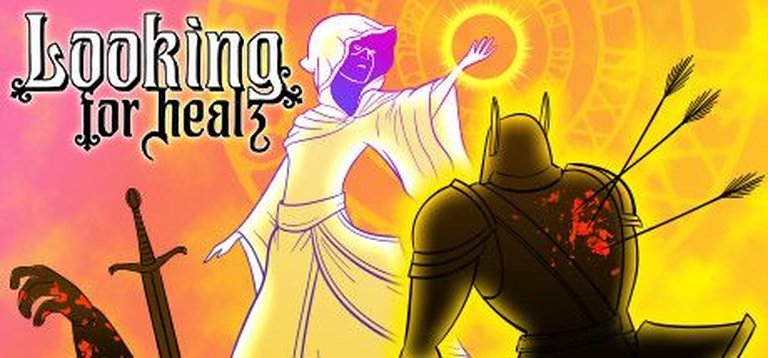
Looking for Heals is a fantasy-themed roguelike action game where players embark on a perilous adventure filled with unpredictable challenges and strategic combat. Set in a whimsical yet dangerous world, the game emphasizes fast-paced gameplay, permadeath mechanics, and procedural generation to ensure unique playthroughs. Players must battle foes, seek elusive healing resources, and master dynamic combat to survive in this unforgiving, replayable dungeon-crawling experience.
Where to Buy Looking for Heals
PC
Looking for Heals Mods
Looking for Heals Guides & Walkthroughs
Looking for Heals Reviews & Reception
steambase.io (74/100): Rating of Mostly Positive.
store.steampowered.com : Mostly Positive (73% of 114)
metacritic.com (68/100): Mixed or Average (6.8/10)
steamcommunity.com : I had a blast playing the game.
lifeisxbox.eu : The game feels great but unfinished.
Looking for Heals: Review
In the crowded landscape of indie action games, “Looking for Heals” stands out as a unique and intriguing title. Developed and published by Blue Bomber Games, this rogue-lite action game offers a fresh take on the healer class, drawing inspiration from massively multiplayer online (MMO) games. Released on June 10, 2019, “Looking for Heals” has garnered attention for its innovative gameplay mechanics and nostalgic appeal. This review will delve into the game’s development history, narrative, gameplay mechanics, world-building, reception, and legacy, providing a comprehensive analysis of its place in video game history.
Development History & Context
Studio and Creators’ Vision
Blue Bomber Games, the studio behind “Looking for Heals,” is a relatively small but ambitious developer. The game’s creators envisioned a title that would capture the essence of being a healer in an MMO, translating that experience into a single-player rogue-lite format. The studio’s goal was to create a game that would appeal to both MMO enthusiasts and fans of action-rogue-lites, offering a unique blend of strategic gameplay and intense action.
Technological Constraints and Gaming Landscape
“Looking for Heals” was developed using the Unity engine, a popular choice for indie developers due to its flexibility and ease of use. The game was released during a time when the rogue-lite genre was gaining significant traction, with titles like “Enter the Gungeon” and “Dead Cells” setting high standards for the genre. Blue Bomber Games aimed to differentiate “Looking for Heals” by focusing on the healer class, a role often overlooked in single-player games.
Narrative & Thematic Deep Dive
Plot and Characters
The narrative of “Looking for Heals” revolves around a healer who commands a squad of warriors through procedurally generated dungeons. The story is inspired by the experiences of real doctors, adding a layer of authenticity and emotional depth. The healer must make tough decisions, save lives, and face the consequences of medical mistakes, all while battling through challenging dungeons.
The characters in “Looking for Heals” are diverse and well-developed. Each warrior class has its own unique abilities and personalities, adding depth to the gameplay and story. The healer, as the protagonist, is the focal point of the narrative, with the player’s actions and decisions shaping the story’s outcome.
Dialogue and Themes
The dialogue in “Looking for Heals” is engaging and often humorous, providing a welcome break from the intense action. The game explores themes of sacrifice, responsibility, and the consequences of one’s actions. The healer’s role as a savior and a decision-maker is central to the game’s themes, with the player often faced with impossible choices that have real consequences.
Gameplay Mechanics & Systems
Core Gameplay Loops
“Looking for Heals” features a fast-paced, real-time action system where the player controls the healer, issuing commands to their squad of warriors. The gameplay is divided into several key loops:
- Healing and Support: The player must use a variety of healing spells to keep their squad alive, including direct heals, shields, and area-of-effect spells.
- Combat: The warriors engage in combat with enemies, with the player directing their actions and using abilities to turn the tide of battle.
- Looting and Upgrades: After defeating enemies, the player can loot powerful items and upgrades, which can be used to enhance their squad’s abilities.
- Boss Fights: The game features elaborate boss fights inspired by MMO raids, requiring strategic planning and quick reflexes.
Character Progression and UI
Character progression in “Looking for Heals” is handled through a combination of permanent upgrades and temporary buffs. The player can unlock new healing spells and abilities as they progress, allowing for a high degree of customization. The user interface is clean and intuitive, with clear indicators for health, mana, and cooldowns.
Innovative and Flawed Systems
One of the game’s standout features is its innovative approach to the healer class, offering a unique twist on the rogue-lite genre. However, the game is not without its flaws. Some players have reported issues with the game’s stability, including crashes and bugs. Additionally, the game’s difficulty can be unpredictable, with some runs feeling unfairly challenging.
World-Building, Art & Sound
Setting and Atmosphere
“Looking for Heals” is set in a fantasy world filled with dangerous dungeons and powerful enemies. The game’s art style is a blend of 2D and 3D elements, creating a visually appealing and immersive world. The dungeons are procedurally generated, ensuring that each run feels fresh and exciting.
Visual Direction
The game’s visual direction is characterized by its use of vibrant colors and detailed sprites. The environments are well-designed, with a mix of dark, moody areas and brightly lit arenas. The character designs are equally impressive, with each warrior class having its own unique appearance and animations.
Sound Design
The sound design in “Looking for Heals” is top-notch, with a memorable soundtrack that complements the game’s action-packed gameplay. The sound effects are crisp and satisfying, adding to the overall immersion. The voice acting is well-done, with each character having a distinct voice and personality.
Reception & Legacy
Critical and Commercial Reception
Upon its release, “Looking for Heals” received mixed reviews from critics and players alike. While the game was praised for its innovative gameplay mechanics and engaging narrative, it was criticized for its bugs and stability issues. The game’s Steam page shows a “Mostly Positive” rating, with players appreciating the game’s unique take on the healer class but noting its flaws.
Influence on Subsequent Games and the Industry
Despite its mixed reception, “Looking for Heals” has had a notable influence on the indie gaming scene. The game’s focus on the healer class has inspired other developers to explore similar themes, with several titles drawing inspiration from “Looking for Heals.” The game’s blend of rogue-lite mechanics and MMO-inspired gameplay has also paved the way for other titles in the genre.
Conclusion
“Looking for Heals” is a unique and innovative title that offers a fresh take on the rogue-lite genre. With its engaging narrative, diverse characters, and innovative gameplay mechanics, the game stands out in a crowded field. However, its flaws, including bugs and stability issues, prevent it from reaching its full potential. Despite these shortcomings, “Looking for Heals” has carved out a niche for itself in the indie gaming scene and has left a lasting impact on the genre. For fans of action-rogue-lites and MMOs, “Looking for Heals” is a must-play title that offers a unique and rewarding experience.