
- Release Year: 2024
- Platforms: Nintendo Switch, PlayStation 4, Windows, Xbox One, Xbox Series
- Publisher: PixelHeart, Plug In Digital SAS
- Developer: Squidbit Works
- Genre: Action
- Perspective: Side view
- Game Mode: Single-player
- Gameplay: Combat, Platforming, Side-scrolling
- Setting: Gothic, Medieval
- Average Score: 80/100
Description
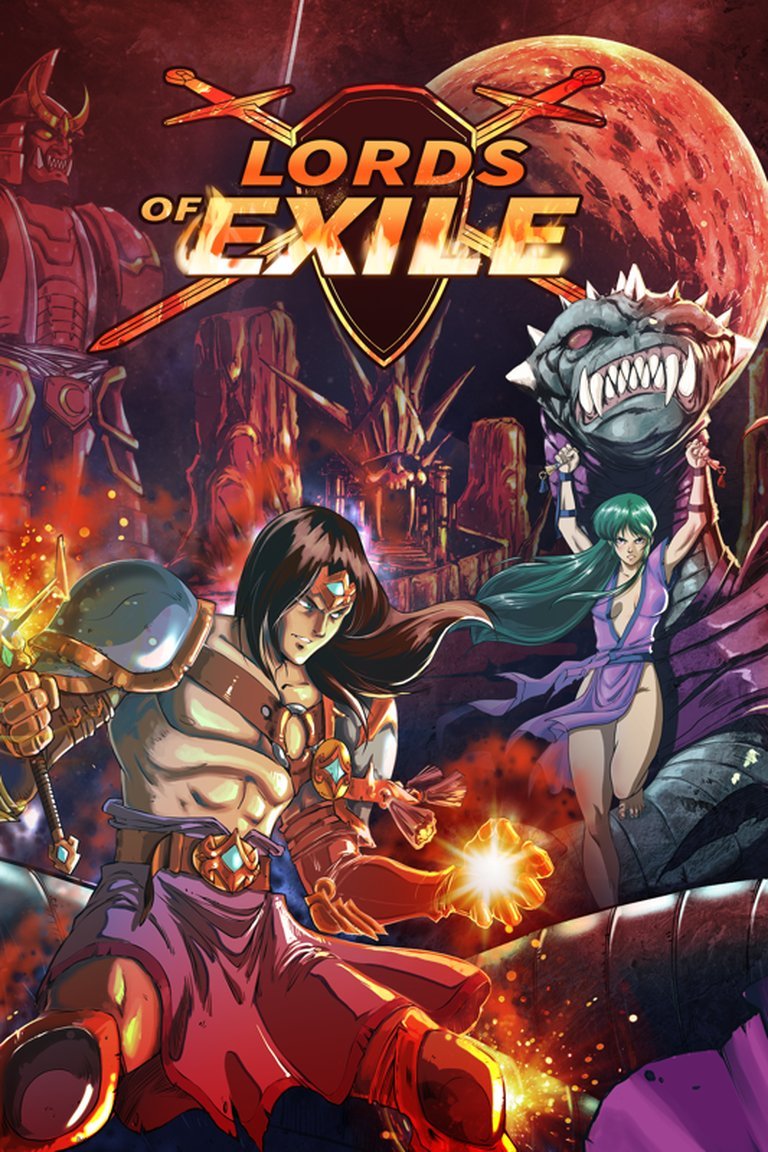
Lords of Exile is a retro-inspired 2D action-platformer set in a dark, mythical world reminiscent of classic 8-bit and 16-bit eras. Players embark on a fast-paced adventure through haunted lands, battling monstrous foes with tight combat mechanics and traversing challenging levels. With its pixel-art visuals, Sega Genesis-style soundtrack, and nods to titles like Castlevania, the game offers a nostalgic yet fresh experience. Unlockable characters, such as Lyria, and additional modes like Boss Rush and Speed Runner add replayability for fans of old-school action.
Gameplay Videos
Where to Buy Lords of Exile
Lords of Exile Patches & Updates
Lords of Exile Mods
Lords of Exile Guides & Walkthroughs
Lords of Exile Reviews & Reception
playcritically.com : In Lords of Exile, there is no charm to the premise, leaving it feeling just artless and stupid.
outoflives.net (80/100): Once I embraced its outdated game mechanics and hammy storyline, I started to appreciate it much more.
gamesasylum.com : From the outset, it’s clear the developers have a deep understanding of what makes a linear side-scrolling adventure hard but fair.
Lords of Exile: A Blood-Soaked Love Letter to 8-Bit Gothic Action
Introduction
In an era dominated by sprawling open worlds and cinematic storytelling, Lords of Exile carves out its identity as a defiant throwback to the punishing yet precise action-platformers of the NES era. Developed by Squidbit Works and released in February 2024, this retro-inspired title channels the spirit of Castlevania and Ninja Gaiden while injecting just enough modernity to avoid feeling like a museum piece. This review argues that Lords of Exile succeeds not as a revolutionary title, but as a meticulously crafted homage—one that pays tribute to the past while acknowledging the expectations of contemporary players.
Development History & Context
Studio Vision & Constraints
Squidbit Works, a small indie team, launched Lords of Exile via a Kickstarter campaign in 2020, promising a retro-style action-platformer steeped in gothic horror and feudal Japanese aesthetics. Delays pushed the release to 2024, but the extra time refined the game’s balance and polish. Built using the GameMaker engine, the studio embraced intentional limitations: 8-bit sprite work, a four-color palette for protagonist Gabriel, and a soundtrack fusing NES-style chiptunes with the richer sound of the Sega Genesis.
The 2024 Gaming Landscape
By 2024, the indie market was saturated with retro revivals, from Shovel Knight to Bloodstained: Curse of the Moon. Lords of Exile stood out by avoiding metroidvania sprawl in favor of linear, stage-based design—a deliberate nod to the pre-Symphony of the Night era. Its release coincided with a resurgence of “Nintendo hard” games, catering to players hungry for unapologetic challenge.
Narrative & Thematic Deep Dive
A Flimsy Veil for Vengeance
The plot is skeletal: Gabriel, a cursed knight-turned-samurai, seeks revenge after the warlord Galagar murders his fiancée. The story is conveyed through brief, Ninja Gaiden-style cutscenes, dripping with melodrama but lacking depth. Critics lambasted the clichéd “dead love interest” trope and Gabriel’s silent protagonist archetype, though defenders argued the minimalism fits the retro vibe.
Themes of Survival & Cultural Fusion
Thematically, Lords of Exile juggles survivalist grit and East-West clash. Exilia’s setting blends European castles with bamboo forests, and enemies range from vampiric nobles to cyborg samurai. This fusion feels haphazard narratively but visually compelling, evoking the “cool over coherence” ethos of 80s arcade cabinets.
Gameplay Mechanics & Systems
Methodical Combat & Movement
Gabriel controls like a classic Belmont: slow, deliberate movements, a sword slash with knockback, and a slide for evading attacks. Sub-weapons (scythes, bombs) are plentiful but situational. The difficulty is punishing but fair—enemies demand pattern recognition, and bosses (like the screen-falling vampire Samantha or the venom-spewing spider queen) are highlights, requiring precision and patience.
Progression & Flaws
Defeating bosses grants abilities, including a double jump and summonable spirits (Katsu Shadow and a demon companion). These add tactical depth but feel underutilized—breaking blue block walls becomes a repetitive chore. The currency system, tied to score and healing items, feels vestigial, as infinite lives negate its urgency.
Post-Game & Replayability
Completing the 4-6 hour campaign unlocks Lyria, a ninja with ranged kunai and faster mobility. Her playstyle trivializes levels designed for Gabriel, but Boss Rush and Speedrun modes offer fresh challenges.
World-Building, Art & Sound
A Pixel-Perfect Hellscape
Lords of Exile’s visual identity is its crown jewel. Stages like the rain-lashed Samantha’s Castle and a skeletal pirate ship are rendered in moody blues, purples, and crimsons, with foreground details (falling chandeliers, undead stallions) elevating the atmosphere. The 8-bit sprites feel authentically NES, albeit with fluid animations that betray modern polish.
Soundtrack as Time Machine
The soundtrack, composed for a Genesis sound chip, blends ominous dungeon crawls with adrenaline-pumping boss themes. Tracks like the cyber-boar battle theme are instant earworms, though the lack of dynamic layerings leaves some areas feeling sonically sparse.
Reception & Legacy
Critical Divide
Lords of Exile earned a 78% average score (based on 16 reviews). Praise centered on its audiovisual authenticity and boss design (Video Chums: “Indie throwbacks don’t get much better”). Critics split on its controls: some lauded the intentional stiffness (Games Asylum: “Hard but fair”), while others deemed it archaic (NintendoWorldReport: “Frustratingly slow”).
Commercial Impact & Influence
Though not a breakout hit, the game found its niche among retro enthusiasts. Its legacy lies in proving that linear, stage-based design still resonates—a counterpoint to modern metroidvanias. Future indies may emulate its focused scope and hybrid 8-bit/16-bit aesthetics.
Conclusion
Lords of Exile is a paradox: a game that thrives on nostalgia yet frustrates with archaic design. Its strengths—gorgeous pixel art, pulse-pounding boss fights, and a killer soundtrack—are offset by a thin story and divisive controls. For players raised on Castlevania III or Ghosts ‘n Goblins, it’s a gratifying callback. For others, it’s a curiosity—a well-crafted relic that never quite transcends its inspirations. In the pantheon of retro homages, Lords of Exile earns its place as a B-tier classic: flawed, fierce, and unashamedly old-school.
Final Score: 8/10
“A love letter to NES-era platformers, written in blood and pixels.”