
- Release Year: 2019
- Platforms: iPhone, Nintendo Switch, PlayStation 3, PlayStation 4, PlayStation 5, PS Vita, Windows Apps, Windows, Xbox One, Xbox Series
- Publisher: Kimidori Soft
- Developer: Kimidori Soft
- Genre: Action
- Perspective: 3rd-person (Other) Behind view
- Game Mode: Single-player
- Gameplay: Platform, Puzzle elements
- Setting: Fantasy
- Average Score: 82/100
Description
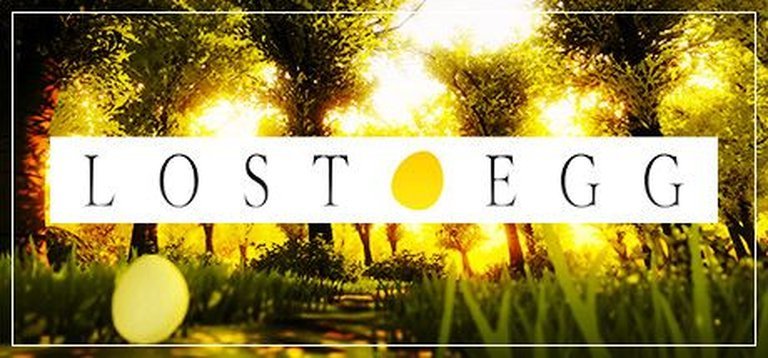
In ‘Lost Egg,’ players navigate a fragile raw egg through a series of challenging, fantastical stages filled with obstacles, aiming to reach the ultimate destination—a frying pan. Balancing platforming, puzzle elements, and a unique durability system, the game combines whimsical visuals with tense gameplay as the egg’s shell weakens with each collision. Hidden items, like toast, and a growth mechanic that strengthens the egg with persistence add depth to this quirky action-adventure experience.
Where to Buy Lost Egg
Lost Egg Cracks & Fixes
Lost Egg Patches & Updates
Lost Egg Guides & Walkthroughs
Lost Egg Reviews & Reception
steambase.io (82/100): A triumphant return to form for the series.
steamspy.com (82/100): A hard action adventure game depicting raw egg ecstasy and bravery.
Lost Egg: Review
Introduction
In an industry saturated with photorealistic graphics and cinematic narratives, Lost Egg emerges as a defiantly absurd yet disarmingly profound experiment in minimalist design. Released in 2019 by the enigmatic Japanese indie studio Kimidori Soft, this $2.99 curiosity—starring a sentient raw egg on a quest to reach a frying pan—masquerades as a joke but unfolds into a poignant meditation on fragility, persistence, and the existential dread of breakfast. Beneath its whimsical premise lies a razor-sharp precision platformer that weaponizes vulnerability as both mechanic and metaphor. This review argues that Lost Egg transcends its meme-worthy facade to deliver a truly innovative, if niche, contribution to indie gaming’s avant-garde.
Development History & Context
Studio Origins and Vision
Kimidori Soft, a developer with no prior credited titles before Lost Egg, embodied the grassroots spirit of the late-2010s indie boom. Their ethos prioritized accessibility (evidenced by the “low-price series” branding) and experimental gameplay loops over visual spectacle. Built in Unity, the game leveraged the engine’s physics capabilities to create a system where every collision—every brush with a wall or floor—degraded the egg’s “durability.” This design mirrored the studio’s ambition to fuse humor with mechanical tension, a balance reminiscent of cult hits like Getting Over It with Bennett Foddy.
Technological and Cultural Landscape
Lost Egg debuted in an era dominated by “Souls-likes” and open-world epics. Its release capitalized on a growing appetite for eccentric, bite-sized experiences—a trend fueled by platforms like itch.io and Steam’s discoverability algorithms. The game’s ~500MB footprint and modest system requirements (runnable on a GTX 1050 Ti) made it accessible to players with outdated hardware, while its control scheme (supporting keyboard, mouse, and gamepad) echoed the plug-and-play ethos of early 2000s Flash games. Yet, its unapologetic difficulty and lack of hand-holding positioned it as a deliberate counterpoint to mainstream casual titles.
Narrative & Thematic Deep Dive
Plot and Characterization
Lost Egg eschews traditional storytelling. The egg—never named, never voiced—exists solely to roll, jump, and shatter. Its “goal” is nihilistically literal: self-immolation in a frying pan. Yet, this simplicity belies layers of emergent narrative. The egg’s journey across 20+ stages—from verdant forests to industrial kitchens—evokes a silent odyssey, with environmental storytelling hinting at a world where sentient foodstuffs navigate Sisyphean trials. Hidden toast collectibles (a macabre symbol of companionship) and cryptic stage names (“Plateau of Broken Yolks”) suggest a universe governed by culinary fatalism.
Themes: Fragility, Growth, and Absurdism
The game weaponizes fragility as both mechanic and theme. Durability loss mirrors the egg’s emotional toll, visually represented by cracks spreading across its shell. This literalizes the psychological weight of failure—a stark contrast to abstract health bars. Yet, Lost Egg isn’t purely cruel. Its “growth system” rewards persistence: repeated attempts thicken the egg’s shell, easing future runs. This loop transforms despair into determination, echoing Nietzsche’s maxim: “What does not kill me makes me stronger.” The frying pan finale—simultaneously goal and doom—embodies existential absurdism, asking players to confront the futility of their struggle.
Gameplay Mechanics & Systems
Core Loop and Physics
Lost Egg is a masterclass in tension. Players navigate 3D platforms using floaty, inertia-driven controls that evoke Super Monkey Ball’s precariousness. The egg rolls with unsettling realism, its center of gravity shifting unpredictably. Collisions deduct durability points; a full depletion triggers a visceral splatter animation. This creates a risk-reward dynamic: reckless speed risks annihilation, while overcautiousness wastes time (and durability). Stages demand pixel-perfect jumps, wall bounces, and momentum conservation, culminating in “boss” challenges like escaping rolling boilers or dodging chef’s knives.
Progression and Secrets
The game’s RPG-esque growth system is its most ingenious feature. Each failure grants “shell strength” XP, reducing future durability loss. This meta-progression softens the learning curve without eliminating challenge. Meanwhile, hidden toast slices (often lodged in lethal traps) unlock achievements and concept art, incentivizing exploration. The UI is minimalist—a durability meter, stage timer, and toast counter—ensuring immersion isn’t broken by clutter.
Flaws: Control Quirks and Repetition
Critics note the controls’ intentional awkwardness can verge on frustration. Mid-air steering is imprecise, and camera angles occasionally obscure jumps. While this reinforces the egg’s fragility, it sometimes feels less like a design choice and more like an engine limitation. Additionally, later stages recycle assets, diluting the initial novelty.
World-Building, Art & Sound
Visual Design
Lost Egg’s aesthetic is “charming grotesque.” Stages juxtapose vibrant, surreal backdrops (a gradient-smeared sky, candy-colored mushrooms) with grim food-themed hazards: butter slicers, boiling pots, and breadcrumb minefields. The egg itself—glistening with a semi-translucent sheen—is rendered with unnerving realism, making its destruction feel disturbingly visceral. This contrast between whimsy and brutality echoes Happy Wheels, but with a cohesive pastel palette that dulls the horror.
Soundscape and Music
The soundtrack, described by players as “awkward” yet “hypnotic,” blends melancholic piano melodies with discordant kitchen noises (sizzling oil, cracking shells). There’s no voice acting—just the egg’s muffled thuds and the sickening crunch of impact. Silence dominates moments of tension, amplifying the dread of impending failure. This sound design transforms mundane actions (rolling down a slope) into anxiety-inducing events.
Reception & Legacy
Initial Reception and Cult Following
Lost Egg garnered a “Very Positive” Steam rating (82/100 from 182 reviews) despite minimal marketing. Players praised its “unfair but addictive” challenge and dark humor, though some dismissed it as a novelty. Its commercial reach was modest (20,000–50,000 owners via SteamSpy), but its cultural footprint expanded via Let’s Plays and memes, particularly the absurdity of two fried eggs spawning if players arrived with near-zero durability.
Long-Term Influence
The game’s legacy lies in its DNA. Sequels—Lost Egg 2: Be Together (2021), Lost Egg 3: The Final (2023), and Lost Egg the Hard Boiled (2025—refined its formula with co-op, narrative depth, and expanded mechanics. More broadly, it inspired a microgenre of “vulnerability simulators,” including Survive the Backrooms and Hollow Knight’s fragile charm system. Its growth mechanic—rewarding persistence over punishment—became a blueprint for indies seeking to balance difficulty with empathy.
Conclusion
Lost Egg is a paradox: a game about breakfast that refuses to be digestible. Its unflinching difficulty, coupled with darkly poetic themes, elevates it beyond meme status into a poignant commentary on resilience. While its janky controls and repetitive late-game hold it back from masterpiece acclaim, it remains a vital artifact of indie gaming’s willingness to risk absurdity for artistic truth. In an industry obsessed with power fantasies, Kimidori Soft dared to ask: What if the hero isn’t a warrior, but an egg? And what if victory tastes like self-destruction? For $2.99, that question—and the yolk-stained journey to answer it—is a bargain.