
- Release Year: 2020
- Platforms: iPhone, Nintendo Switch, PlayStation 3, PlayStation 4, PlayStation 5, PS Vita, Windows Apps, Windows, Xbox One, Xbox Series
- Publisher: pyx-games
- Developer: pyx-games
- Genre: Puzzle
- Perspective: 1st-person
- Game Mode: Single-player
- Gameplay: Point and select, Tile matching puzzle
Description
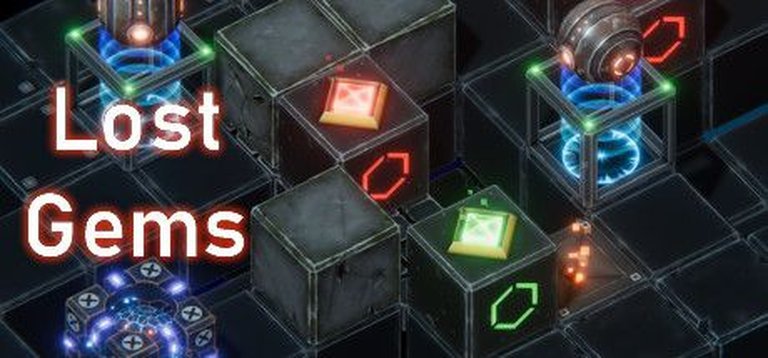
Lost Gems is a tile-matching puzzle game developed and published by pyx-games, released in 2020 for Windows. Presented in a first-person perspective with fixed, flip-screen visuals and point-and-click interface, the task involves selecting and matching tiles to progress through the game’s puzzles.
Where to Buy Lost Gems
PC
Lost Gems Patches & Updates
Lost Gems: Review
Introduction
Imagine a puzzle that feels less like a game and more like an archaeological dig for forgotten treasures. Lost Gems, released on September 7, 2020, by solo developer pyx-games, is a deceptively simple tile-matching puzzler that hides surprising depth beneath its minimalist facade. Amidst the pandemic-driven boom in indie gaming—when titles like Among Us and Fall Guys dominated screens—Lost Gems arrived quietly, offering 60 meticulously crafted challenges wrapped in a clean, retro aesthetic. My thesis is that Lost Gems transcends its genre constraints through ingenious mechanical innovation and a zen-like purity of design, proving that the most profound experiences often emerge from the most focused concepts. As a spiritual successor to classic Sokoban-style logic puzzles, it stands as a testament to the enduring power of accessible yet intellectually stimulating gameplay.
Development History & Context
pyx-games, a virtually unknown studio operating under the radar of major publishers, self-published Lost Gems on Steam at a modest $6.99 price point. Built on Unity, the game leveraged the engine’s flexibility to implement its unique tile-matching mechanics without the bloated production values of AAA titles. Released during the height of the COVID-19 pandemic—a period when global gaming revenues surged by 12–20% as lockdowns drove players to digital entertainment—Lost Gems benefited from indie-friendly market conditions. Its target audience was discernible puzzle enthusiasts and retro gamers, drawn to titles like Gems of Magic: Lost Family (2019) and Antique Shop: Lost Gems – Egypt (2016). Technologically, Unity enabled pyx-games to deliver smooth, tile-based interactions without hardware constraints, though the game’s fixed-screen perspective and point-and-click interface harked back to 1990s puzzle classics like Chip’s Challenge. The absence of a formal team or publisher meant a vision singularly focused on pure puzzle design, resulting in a polished, if niche, experience.
Narrative & Thematic Deep Dive
Lost Gems eschews overt storytelling in favor of emergent narrative through gameplay. The premise is minimalist: players push and merge gems across increasingly complex levels until all are cleared. Yet, the game’s mechanics subtly explore themes of order versus chaos, conservation of motion, and the joy of problem-solving. Levels are self-contained micro-dramas, where each gem push feels like a calculated step toward harmony. The “Ghost” mechanic—allowing temporary phase-through of tiles—evokes themes of impermanence, while “Bombs” and “Turrets” introduce controlled destruction as a tool for reconstruction. Dialogue is nonexistent, but environmental storytelling emerges through level design: layouts that resemble constellations or ancient symbols hint at a lost civilization’s mathematical puzzles. The underlying theme is rediscovery—clearing gems mirrors unearthing buried artifacts, making each level a silent meditation on human ingenuity. Flaws? The lack of explicit lore may leave players craving deeper context, but this abstraction invites personal interpretation, aligning with the game’s cerebral ethos.
Gameplay Mechanics & Systems
The core loop of Lost Gems is deceptively straightforward: push gems to merge identical pairs, eliminating them until the stage is cleared. However, pyx-games elevates this formula through eight innovative mechanics that transform static puzzles into dynamic brain-teasers.
-
Core Mechanics:
- Push-Only Logic: Gems cannot be pulled or walked over, forcing players to plan movements like a physical puzzle.
- Merging Rules: Identical gems combine when pushed together, with larger gems requiring more precise positioning.
- Hint System: A subtle “?” button provides limited nudges without solving puzzles outright, preserving satisfaction.
-
Innovative Additions:
- Bombs: Destroy gems but risk collateral damage, adding risk-reward calculus.
- Magnet: Temporarily pulls gems toward each other, enabling chain reactions.
- Ghost: Allows temporary passage through tiles, enabling otherwise impossible sequences.
- Pusher Mechanism: Automated tiles that push gems at intervals, creating timing puzzles.
- Turret: Shoots gems in cardinal directions, introducing spatial reasoning.
- Fall Platform: Gems drop through tiles after a delay, demanding quick thinking.
- Eye Bot: Scans tiles to reveal hidden paths or hazards.
Progression scales difficulty from “Lite” (intuitive tutorials) to “Very Hard” (multi-layered solutions). The UI is admirably minimalist—a grid, gem counter, and hint button—with no extraneous distractions. The absence of combat or RPG elements streamlines focus, though late-level complexity may frustrate players who prefer gentler learning curves. Replayability stems from optional challenges, such as clearing stages in minimal moves, rewarding mastery over brute-force experimentation.
World-Building, Art & Sound
Lost Gems’ visual style is a masterclass in restrained elegance. The fixed, flip-screen perspective evokes classic 8-bit puzzlers like Zulu Gems (2005), with gems rendered as polished, prismatic stones—deep blues, emeralds, and rubies gleam against muted backgrounds. Levels resemble abstract archaeological dig sites, with stone textures and subtle gridlines suggesting ancient temples or ruins. The “Ghost” mechanic’s ethereal glow and the Turret’s steampunk aesthetic add bursts of personality, while the “Fall Platform” creates dynamic tension through crumbling tiles.
Sound design complements the visuals with minimalist ASMR-like effects: the soft clink of gems merging, the distant thud of a bomb, and the gentle hum of the “Eye Bot” scanning. No musical score exists, but the absence of noise fosters concentration, making each level a quiet, meditative space. This synergy between art and sound—clean visuals with tactile audio cues—creates an immersive bubble of problem-solving, where the world feels alive yet unobtrusive.
Reception & Legacy
Lost Gems launched in relative obscurity. MobyGames lists no critical reviews, and Steam’s early player reviews were sparse, with praise for its “clean design” and “mind-bending puzzles” tempered by complaints about occasional difficulty spikes. Commercially, its $6.99 price and niche genre limited broad appeal, yet it carved a cult following among puzzle purists. Its legacy lies in its mechanical ingenuity: the eight mechanics became templates for indie puzzle games, influencing titles like Sparkles & Gems (2021) and Dungeon Gems (2014). In 2020’s crowded market—dominated by Animal Crossing: New Horizons and Doom Eternal—Lost Gems validated the enduring appeal of cerebral, low-budget games. It also reflected the pandemic’s impact: as players sought accessible, solo experiences, its bite-sized levels (10–20 minutes each) fit perfectly into lockdown routines.
Conclusion
Lost Gems is a triumph of focused design. pyx-games distilled the essence of puzzle gaming into 60 levels that challenge, delight, and surprise. Its innovative mechanics—especially “Ghost” and “Pusher”—transform a simple concept into a symphony of logic, while its art and sound cultivate a serene, almost meditative atmosphere. Though its narrative absence and steep late-game difficulty may deter casual players, its legacy as a blueprint for modern puzzle design is undeniable. In an era of blockbuster bloat, Lost Gems proves that greatness lies not in scale, but in the clarity of vision. Verdict: 8/10—a hidden gem worthy of rediscovery for anyone seeking timeless, tactile brain-teasers.