
- Release Year: 2021
- Platforms: Windows
- Publisher: GOCORE
- Developer: GOCORE
- Genre: Action
- Perspective: Diagonal-down
- Game Mode: Single-player
- Gameplay: Puzzle elements, Roguelike, RPG elements
- Setting: Fantasy
- Average Score: 62/100
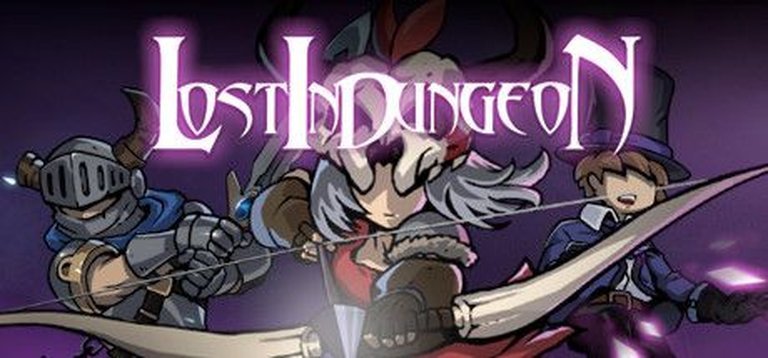
Description
Lost in Dungeon is a 2D action-adventure game blending classic roguelike elements with RPG mechanics, set in a fantasy world where gods and demons clash. Players embark on a turn-based journey through randomly generated levels, battling enemies with skill combinations, collecting relics, and navigating deadly traps and weapons. The game offers a mix of puzzle-solving, strategic combat, and exploration, with a unique narrative where belief and resistance shape the fate of souls.
Gameplay Videos
Where to Buy Lost in Dungeon
PC
Lost in Dungeon Cracks & Fixes
Lost in Dungeon Patches & Updates
Lost in Dungeon Guides & Walkthroughs
Lost in Dungeon Reviews & Reception
steambase.io (62/100): Lost in the Dungeon has earned a Player Score of 62 / 100.
themadwelshman.com : It’s just a terrible shame that not nearly as much was put into the game.
Lost in Dungeon Cheats & Codes
Lost Dungeon: The Relic Hunter (Android)
Enter codes in the gift box menu.
| Code | Effect |
|---|---|
| Happy0619 | 5K Bound Blue Diamonds, 5 Wish Coins, and 10 Iridescent Pet Eggs |
| HappyJune | 3K Bound Blue Diamonds, 5 Compasses, 5 Ressurection Coins, and 10 World Megaphones |
| Dragonboat | 3K Bound Blue Diamonds, 20 Emerald Refining Stones, 5 Cobalt Blue Refining Stones, 1 Link Rune Gift Package |
Lost in Dungeon: A Roguelike Adventure That Struggles to Find Its Footing
Introduction
Lost in Dungeon is a 2D action-adventure game that blends classic roguelike elements with RPG mechanics, promising a fresh take on the dungeon-crawling genre. Released in February 2021 by GOCORE, the game positions itself as an ambitious indie title that seeks to innovate within a crowded space. However, despite its intriguing premise and stylish presentation, Lost in Dungeon ultimately stumbles over its own ambitions, delivering an experience that feels both promising and deeply flawed.
This review will dissect Lost in Dungeon across multiple dimensions—its development history, narrative and thematic depth, gameplay mechanics, world-building, and its reception and legacy. By the end, we’ll determine whether this game is a hidden gem or a cautionary tale of unfulfilled potential.
Development History & Context
The Studio Behind the Game
Lost in Dungeon was developed and published by GOCORE, a small independent studio based in China. The game was built using the Unity engine, a popular choice for indie developers due to its accessibility and flexibility. GOCORE’s vision for Lost in Dungeon was to create a game that combined the unpredictability of roguelikes with the strategic depth of RPGs, offering players a unique blend of action and turn-based mechanics.
The studio’s approach was ambitious, particularly given the constraints of its size and resources. GOCORE positioned Lost in Dungeon as an Early Access title, a strategy that allowed them to gather player feedback and refine the game over time. This decision was driven by a desire to engage directly with the community, ensuring that the final product would resonate with its audience.
The Gaming Landscape at Release
Lost in Dungeon entered a market already saturated with roguelike and dungeon-crawling games. Titles like Hades, Dead Cells, and The Binding of Isaac had set high standards for the genre, blending tight gameplay mechanics with compelling narratives and procedural generation. GOCORE’s challenge was to carve out a niche in this competitive space, offering something distinct enough to attract players.
The game’s Early Access release in February 2021 was met with cautious optimism. Players were intrigued by its promise of free skill combinations, random enemies and levels, and a variety of relics and props. However, the lack of a strong marketing push and limited visibility on platforms like Steam meant that Lost in Dungeon struggled to gain traction.
Technological Constraints
As an indie title, Lost in Dungeon faced the typical challenges of limited resources. The game’s 2D scrolling visuals and fixed/flip-screen perspective were a deliberate choice to keep development manageable while still delivering a visually appealing experience. The use of Unity allowed GOCORE to iterate quickly, but it also meant that the game lacked the polish and technical sophistication of larger-budget titles.
One of the most notable constraints was the game’s performance issues, particularly in its Early Access state. Players reported stuttering and frame rate drops, even on mid-to-high-end hardware. These technical hiccups detracted from the overall experience, making it difficult for players to fully immerse themselves in the game’s world.
Narrative & Thematic Deep Dive
The Plot: A Tale of Gods and Demons
Lost in Dungeon is set in a fantasy world where the line between gods and demons is blurred. The game’s official description hints at a deeper lore:
“In a certain corner of the world, their stories spread. Some people say that they are gods and saviors of the world, and believe in them; some people say that they are demons and will bring endless disaster to the world. Those who believe follow them and abandon their souls. And those who resist them, in the end, became their soul.”
This premise sets the stage for a moral ambiguity that could have been explored in greater depth. Unfortunately, the game’s narrative is underdeveloped, with much of the lore relegated to cryptic descriptions and environmental storytelling. Players are left to piece together the world’s history through fragmented clues, which can feel more frustrating than immersive.
Characters and Dialogue
The game features three playable characters, each with their own unique skills and playstyles:
- The Warrior: A melee-focused bruiser with high damage output but limited defensive options.
- The Mage: A spellcaster with strong area-of-effect abilities but fragile defenses.
- The Hybrid: A balanced character that blends melee and magical attacks.
While these characters offer distinct gameplay experiences, their personalities and backstories are barely explored. Dialogue is minimal, and interactions with NPCs are limited to basic exchanges that do little to flesh out the world or its inhabitants. This lack of narrative depth makes it difficult for players to form an emotional connection with the characters or the story.
Themes: Survival and Sacrifice
At its core, Lost in Dungeon explores themes of survival, sacrifice, and the cost of power. The game’s world is one where belief in higher powers comes at a price—whether it’s the abandonment of one’s soul or the transformation into something monstrous. These themes are intriguing but are rarely explored in meaningful ways. Instead, they serve as a backdrop for the game’s mechanical challenges, leaving players to interpret their significance on their own.
Gameplay Mechanics & Systems
Core Gameplay Loop
Lost in Dungeon blends action and turn-based mechanics, creating a hybrid experience that is both engaging and occasionally frustrating. The game’s core loop involves:
- Exploring procedurally generated dungeons filled with enemies, traps, and treasure.
- Engaging in combat using a combination of melee attacks, spells, and special abilities.
- Collecting relics and props that modify the player’s abilities and stats.
- Dying and restarting, as is typical in roguelikes, with the hope of progressing further in subsequent runs.
The game’s turn-based pacing allows for strategic planning, but the execution often feels clunky. Enemies move and attack in predictable patterns, but the lack of clear feedback on hitboxes and damage calculations can make combat feel unfair.
Combat and Character Progression
Combat in Lost in Dungeon is serviceable but unremarkable. Players can combine skills freely, which adds a layer of customization, but the limited variety of abilities means that builds quickly become repetitive. The game’s relic system is one of its stronger features, offering meaningful upgrades that can drastically alter the player’s approach to combat. However, the randomness of drops can lead to frustrating runs where essential upgrades are nowhere to be found.
Character progression is tied to permanent unlocks that carry over between runs, a common feature in roguelikes. These unlocks include new skills, relics, and starting items, providing a sense of long-term progression. However, the grind to unlock these upgrades can feel tedious, especially in the early stages of the game.
UI and Controls
The game’s user interface is functional but lacks polish. Menus are cluttered, and important information (such as enemy health and status effects) is often difficult to parse at a glance. The control scheme is straightforward, with support for both keyboard/mouse and gamepad inputs, but controller issues have been reported, particularly with aiming and movement.
One of the most glaring flaws is the lack of customization options. Players cannot remap controls or adjust key bindings, which can be a significant barrier for those with accessibility needs or preferred control schemes.
World-Building, Art & Sound
Setting and Atmosphere
Lost in Dungeon takes place in a dark fantasy world filled with eerie dungeons, ancient ruins, and monstrous creatures. The game’s visual style is a mix of hand-drawn 2D art and pixelated environments, giving it a retro aesthetic that is both charming and limiting. The dungeons are procedurally generated, which ensures that no two runs feel identical, but the lack of distinct biomes or themes means that the environments quickly become repetitive.
The game’s atmosphere is one of its stronger points. The Lovecraftian influences are evident in the design of enemies and the overall tone of the world. However, the lack of ambient sound and immersive audio design undermines this atmosphere. The game’s soundtrack is repetitive and forgettable, with a short loop that quickly becomes grating.
Visual Direction
The art style of Lost in Dungeon is a mixed bag. The character and enemy designs are detailed and visually appealing, but the environments lack variety. The game’s fixed/flip-screen perspective can make navigation confusing, particularly in larger dungeon rooms. The lack of visual feedback during combat (such as hit indicators or damage numbers) can make it difficult to gauge the effectiveness of attacks.
Sound Design
The sound design is one of the game’s weakest aspects. The lack of ambient noise (such as enemy movement sounds or environmental effects) makes the world feel hollow. The music is repetitive, with a short loop that plays throughout the dungeon, and there is no option to adjust individual audio levels. This lack of polish detracts from the overall immersion and makes long play sessions feel tedious.
Reception & Legacy
Critical and Commercial Reception
Lost in Dungeon received a mixed reception upon release. On Steam, the game holds a 65% positive rating from 66 user reviews, with many players praising its innovative mechanics and challenging gameplay while criticizing its technical issues and lack of polish.
Positive Aspects Highlighted by Players:
– Engaging roguelike mechanics with a good variety of relics and props.
– Strategic depth in combat, particularly with skill combinations.
– Unique visual style that stands out in the crowded roguelike genre.
Negative Aspects Highlighted by Players:
– Technical issues, including stuttering and frame rate drops.
– Repetitive gameplay loop that becomes tedious over time.
– Lack of narrative depth and underdeveloped characters.
– Poor sound design and limited audio options.
Influence and Legacy
Lost in Dungeon has not had a significant impact on the roguelike genre, largely due to its limited visibility and mixed reception. However, its experimental blend of action and turn-based mechanics offers some interesting ideas that could inspire future indie developers. The game’s Early Access model also highlights the challenges faced by small studios in refining their vision while engaging with a community that expects rapid improvements.
Conclusion: A Game of Unfulfilled Potential
Lost in Dungeon is a game that shows promise but ultimately falls short of its ambitions. Its innovative mechanics and dark fantasy setting are compelling, but they are undermined by technical issues, repetitive gameplay, and a lack of narrative depth. The game’s Early Access release suggests that GOCORE had grand plans for its evolution, but the lack of updates and community engagement has left it in a state of limbo.
For players who enjoy challenging roguelikes with strategic depth, Lost in Dungeon offers a unique experience that is worth exploring, particularly at its budget price point. However, those seeking a polished, narrative-driven adventure will likely find it lacking. In the pantheon of roguelikes, Lost in Dungeon is a curious footnote—a game that could have been great but instead remains a flawed yet intriguing experiment.
Final Verdict: 6/10 – A Promising but Flawed Roguelike Adventure
Lost in Dungeon is a game that deserves recognition for its ambition but ultimately struggles to deliver a cohesive experience. It’s a title that roguelike enthusiasts might enjoy for its mechanical depth, but it’s unlikely to leave a lasting impression on the broader gaming landscape.