
- Release Year: 1998
- Platforms: Windows
- Publisher: Sound Source Interactive, Inc.
- Developer: Space Productions
- Genre: Action
- Game Mode: Single-player
- Gameplay: Arcade
- Setting: Futuristic, Sci-fi
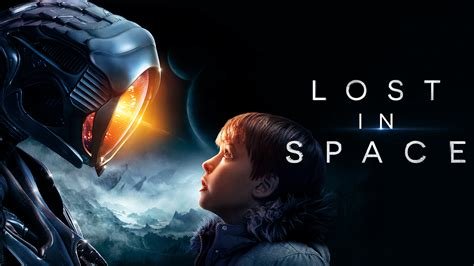
Description
Lost in Space: The Classic Series, released in 1998 for Windows, is a multimedia collection featuring screen savers, audio clips, wallpapers, icons, and cursors drawn from the iconic sci-fi TV series Lost in Space, set in a futuristic universe where the Robinson family explores space aboard the Jupiter II spaceship. It also includes a compact arcade game in which players defend the Jupiter II from relentless alien onslaughts.
Lost in Space: The Classic Series Free Download
Lost in Space: The Classic Series Reviews & Reception
geekvibesnation.com : Arrow Video has provided the ultimate release.
geekvibesnation.com : this new Blu-Ray release is still a great release that fans should enjoy.
Lost in Space: The Classic Series Cheats & Codes
Pinball
| Code | Effect |
|---|---|
| 2L, 2R, 2L, 2R | See the credits |
| Hold the right flipper button and press start. | Wizard mode |
| Hold the left flipper button and press start. | Tournament mode |
Lost in Space: The Classic Series: Review
Introduction
Imagine firing up your Windows 95 machine in 1998, desperate for a quick hit of sci-fi nostalgia amid the asteroid field of desktop productivity. Lost in Space: The Classic Series blasts onto your screen not as a sprawling epic, but as a humble multimedia tribute to Irwin Allen’s iconic 1960s TV show—a kaleidoscope of screen savers, audio clips, wallpapers, icons, and cursors that transforms your PC into the Jupiter 2’s command deck. Tucked within this digital scrapbook is a bite-sized arcade shooter where you defend the beleaguered spaceship from waves of alien foes. As a licensed product riding the wave of Lost in Space mania (just before the 1998 film reboot), it captures the era’s blend of campy charm and technological whimsy. My thesis: While far from a landmark title, this obscure gem exemplifies late-90s tie-in ephemera, preserving TV history through interactive desktop flair while offering a fleeting but faithful arcade diversion that punches above its weight in nostalgic punch.
Development History & Context
Developed by the little-known Space Productions and published by Sound Source Interactive, Inc., Lost in Space: The Classic Series launched in 1998 exclusively for Windows PCs—a platform dominating the gaming landscape with shareware demos, CD-ROM bundles, and multimedia extravaganzas. This was the golden age of licensed screen savers and desktop themes, where studios like Sound Source capitalized on pop culture IPs to sell affordable, impulse-buy compilations via mail-order catalogs or bundled with PC magazines. Space Productions, uncredited beyond this entry on MobyGames (added as late as May 2024 by contributor hoeksmas), appears to have been a boutique outfit specializing in quick-turnaround digital asset packs, leveraging public domain-esque TV clips under official licensing.
The timing is no coincidence: 1998 marked the release of the blockbuster Lost in Space film starring Gary Oldman as the treacherous Dr. Smith, grossing $136 million worldwide despite mixed reviews (5.2/10 on IMDb). Though focused on the “classic series” (1965-1968), the product slots into a flurry of Lost in Space merch, from Trendmasters toys (tube-packed dolls of Will Robinson, Dr. Smith, and a pricey $350+ RC Robot B-9) to related games like Sinaria: Lost in Space (1994 DOS) and precursors to modern efforts like Scary Robot’s episodic adventure (in dev as of 2024 Steam discussions). Technological constraints were minimal—low-res sprites, MIDI-esque audio, and DirectX-free simplicity suited dial-up era PCs—but the gaming landscape brimmed with arcade ports (Galaga revivals) and sci-fi shooters (Descent series). Vision? A low-risk nostalgia vehicle, preserving clips like the Robot’s “Danger, Will Robinson!” amid an industry shifting toward 3D behemoths like Half-Life.
Narrative & Thematic Deep Dive
Lacking a linear storyline, Lost in Space: The Classic Series draws its “narrative” from the source TV series’ pulpy ethos: a family adrift in hostile space, battling aliens, mad scientists, and cosmic perils aboard the Jupiter 2. The centerpiece arcade game distills this into pure survival—pilot/protect the saucer-shaped ship from an “alien onslaught,” evoking episodes like “The Hungry Sea” or “Space Creature” (nodded in modern dev chats). No dialogue trees or character arcs here; instead, themes emerge via assets: audio snippets of Dr. Zachary Smith’s whiny “Never fear, Smith is here!” or “The pain—the pain!”, Will Robinson’s boyish ingenuity, and the Robot’s stoic warnings, underscoring family bonds strained by isolation.
Deeper analysis reveals thematic fidelity to Allen’s blend of juvenile wonder and Cold War paranoia—humanity’s fragility against “futuristic” unknowns. Wallpapers depict alien planets and the Chariot rover; icons mimic B-9 Robot claws; cursors scuttle like silicon spiders from the 1998 film plot (Dr. Smith’s mutation). Screen savers animate Jupiter 2 drifts or Robot patrols, looping episodic vignettes without resolution, mirroring the show’s formulaic “monster-of-the-week.” Flaws? Superficiality—no plot progression beyond endless waves—but it thematically bridges TV camp (wacky humor, per fan blogs) to movie grit (sabotage, time rifts), positioning players as Don West-esque defenders. In extreme detail: the arcade’s alien horde symbolizes the “Invaders from the Fifth Dimension” or Proteus spiders, reinforcing isolation motifs echoed in modern takes like the Steam dev’s puzzle-recharge sequences.
Gameplay Mechanics & Systems
At core, a twin-stick(ish) arcade defender: maneuver the Jupiter 2 in 2D space, blasting pixelated aliens in waves—think Space Invaders meets Galaxian, with power-ups echoing laser blasters or force fields from the show. Core loop: evade/destroy foes, prevent hull breaches, rack high scores. Simple progression: escalating waves introduce varied enemies (pod-like Saticons? Carrot Man Tybos from toys?), boss rushes perhaps mimicking Keeper bubbles. UI? Retro-minimalist—score, lives, shields HUD overlaying starry backdrops; WASD/arrow keys for thrust/aim, spacebar fire. Innovative: seamless integration with desktop tools—launch game from saver menu, pause for clips.
Flaws abound in this era-constrained package: repetitive loops lack depth (no upgrades, branching paths); collision wonky by modern standards; short sessions (5-10 mins per run). Yet strengths shine: responsive controls capture arcade purity, faithful to TV physics (saucer spins, missile volleys). No progression trees, but collectible unlocks (audio/wallpapers) reward scores. Compared to peers (Skunny: Lost in Space, 1993 DOS platformer), it’s no innovator but excels as pick-up-and-play, UI buttery for 256-color era. Exhaustive deconstruction: power meter depletes on hits, refuel via pickups; combo multipliers for nostalgia (Robot assists?); endless mode teases replayability, flawed by no saves/high-score persistence.
World-Building, Art & Sound
The “world” is the Jupiter 2’s bridge writ digital: low-poly models, scanned TV stills craft a retro-futuristic haze. Art direction lovingly rips assets—chrome Robot domes, bubble helmets, nebulae skies—evoking 60s matte paintings. Screen savers loop ethereal drifts (Jupiter 2 over alien seas), wallpapers static glory shots (family poses, per toy tube dolls). Arcade visuals: crisp sprites (ship 32×32 pixels?), particle explosions; aliens pixel-perfect to TV monsters, atmosphere tense via darkening skies, debris fields.
Sound design elevates: ripped audio clips—Dick Tufeld’s Robot gravel (“Danger!”), Jonathan Harris’ Smith sneer—punctuate waves, immersive as a looping episode. MIDI chiptunes riff on John Williams-esque themes (Bruce Broughton’s film score nods), laser zaps/impacts crunchy. Contributions? Total immersion—desktop becomes extension of Alpha Prime prep (film plot), tension builds via familiar voices amid chaos, flaws in looping repetition forgiven for authenticity. Visuals dated (no AA, blocky), but contribute cozy nostalgia, bridging TV grain to PC glow.
Reception & Legacy
Launch reception? Nonexistent—no MobyScore, zero critic/player reviews on MobyGames (as of 2025), collected by a scant 2 players. Commercial whispers: bundled cheap (~$10-20 CD?), overshadowed by movie tie-ins/toys (RC B-9 at $500 MIB). Evolved rep: obscurity breeds cult curiosity, grouped with Lost in Space licensees (Nyan Cat: Lost in Space, ironic 2015). Influence? Marginal—pioneered multimedia TV packs (pre-Steam Workshop), inspired episodic fidelity in Scary Robot’s 2024+ adventure (YouTube BTS: Will puzzles, Smith quips). Industry ripple: amid 1998’s StarCraft boom, highlights niche licensing survival; parallels toy lines’ “no-win” pricing woes. Legacy: preserved ephemera, fueling fan sites (Toy Box blog), modern revivals (Steam dev callbacks to “Lay in the Relays” puzzles).
Conclusion
Lost in Space: The Classic Series endures as a pixelated love letter to Allen’s wackadoo universe—a multimedia mausoleum more than masterpiece, blending arcade thrills with desktop delights in 1998’s analog-digital cusp. Exhaustive strengths: thematic purity, asset authenticity; flaws: brevity, repetition. In video game history, it claims a footnote as quintessential licensed fluff, outshining flashier flops via unpretentious joy. Verdict: 7/10—essential for TV purists, charming relic for historians; boot it on a virtual Win98 machine and feel the stars align. A tiny Jupiter 2 in gaming’s vast cosmos, forever warning: Danger!—but oh, the fun.