
- Release Year: 2009
- Platforms: iPad, iPhone, Wii, Windows
- Publisher: Frontier Developments Ltd., Square Enix Co., Ltd.
- Developer: Frontier Developments Ltd.
- Genre: Action, Explorable platformer, Metroidvania
- Perspective: Side view
- Game Mode: Single-player
- Gameplay: Collection, Exploration, Platforming, Puzzle, Season Switching
- Setting: Fantasy, mountains
- Average Score: 85/100
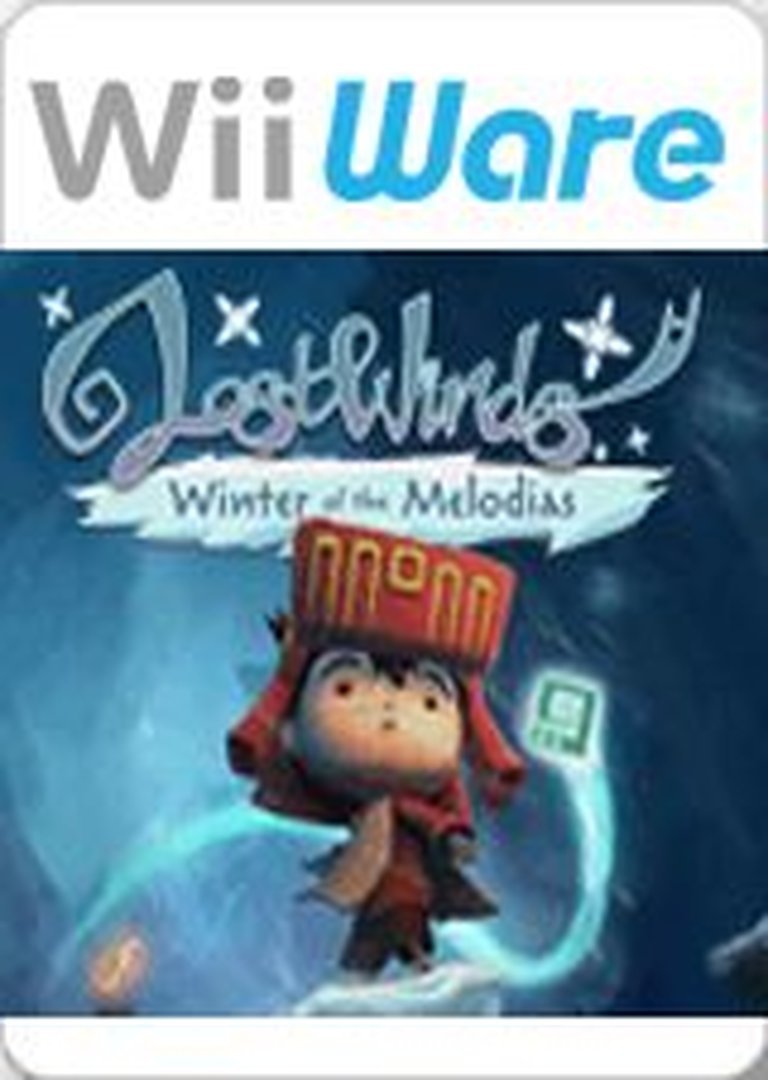
Description
In LostWinds: Winter of the Melodias, players journey with Toku and the wind spirit Enril to rescue Toku’s mother and unravel the mystery of the vanished Melodia civilization within a mountain city trapped in perpetual winter. The game combines platforming and puzzle-solving as players manipulate seasonal states—switching between winter and summer—to interact with dynamic environments (e.g., freezing water allows traversal, while melting it enables swimming). Utilizing Wii motion controls, Enril’s wind powers guide Toku through this Metroidvania-style adventure, enhanced by a navigational map tracking progress and hidden collectibles.
Gameplay Videos
Where to Buy LostWinds: Winter of the Melodias
PC
LostWinds: Winter of the Melodias Guides & Walkthroughs
LostWinds: Winter of the Melodias Reviews & Reception
metacritic.com (86/100): This with a technical compartment which stands tall, due to the magnificent design and a enchanting melodies.
gamesradar.com (85/100): LostWinds is here to keep you company.
nintendolife.com (85/100): It is without a doubt the best-looking WiiWare game yet.
mobygames.com (85/100): Average score: 85% (based on 14 ratings).
everyview.com (85/100): It’s truly amazing how much detail the team has managed to squeeze into the game.
LostWinds: Winter of the Melodias: Review
LostWinds: Winter of the Melodias is a game that transcends the typical boundaries of its genre, offering a rich tapestry of exploration, puzzles, and a deeply engaging narrative. Developed by Frontier Developments, this sequel to the acclaimed LostWinds builds upon its predecessor’s strengths while introducing innovative mechanics and a more expansive world. This review will delve into the game’s development history, narrative depth, gameplay mechanics, world-building, reception, and its enduring legacy.
Development History & Context
Frontier Developments, a British studio based in Cambridge, is known for its innovative approach to game design. The studio’s founders, David Braben and Jonny Watts, have a background in creating immersive and technically advanced games. LostWinds: Winter of the Melodias was developed as a sequel to the original LostWinds, which was released in 2008 and quickly gained critical acclaim for its unique gameplay and beautiful art direction.
The development of Winter of the Melodias began in April 2009, with a team of over 20 people dedicated to the project. The goal was to retain the innovation of the original while addressing criticisms, particularly the game’s length. The team aimed to create a more expansive experience, introducing new mechanics such as season-switching and a map system to enhance exploration and navigation.
The technological constraints of the Wii platform, particularly its limited storage capacity for WiiWare titles, posed significant challenges. Despite these limitations, Frontier Developments managed to create a visually stunning and mechanically rich game. The use of the Wii Remote and Nunchuk for controls allowed for intuitive and immersive gameplay, leveraging the motion controls to enhance the wind-based mechanics.
The gaming landscape in 2009 was dominated by high-budget, AAA titles, but there was a growing interest in indie and downloadable games. WiiWare, Nintendo’s digital distribution service, provided a platform for smaller developers to showcase their creativity. LostWinds: Winter of the Melodias stood out in this landscape, offering a fresh and innovative experience that resonated with both critics and players.
Narrative & Thematic Deep Dive
The narrative of LostWinds: Winter of the Melodias is a compelling blend of adventure, mystery, and personal growth. The story follows Toku, a young boy, and Enril, the wind spirit, as they embark on a quest to save Toku’s mother, Magdi, who has gone missing in the treacherous Chilling Peaks. Along the way, they uncover the fate of the ancient Melodia civilization, which has been locked in an eternal winter.
The game begins with a prologue where the player controls Riveren, a Melodia boy tasked with singing at the King’s ceremony. This prologue sets the stage for the main story, introducing the player to the mystical world of Mistralis and the enigmatic Melodia people. The transition to Toku’s perspective occurs seamlessly, as Magmok, the final boss from the first game, assists Toku and Enril up to the Summerfalls mountain.
The narrative is rich with themes of family, sacrifice, and the power of nature. Toku’s journey is not just about rescuing his mother but also about understanding the deeper mysteries of Mistralis. The game’s dialogue and character interactions are well-written, adding depth to the story and making the characters relatable. The inclusion of Magdi’s journal pages, scattered throughout the game, provides additional context and exposition, enriching the player’s understanding of the world and its history.
The game’s pacing is excellent, balancing moments of exploration, puzzle-solving, and storytelling. The narrative is self-contained, meaning that players do not need to have played the first game to enjoy it. However, those familiar with the original will appreciate the continuity and the deeper lore that is revealed.
Gameplay Mechanics & Systems
LostWinds: Winter of the Melodias introduces several innovative gameplay mechanics that enhance the overall experience. The core gameplay loop revolves around controlling Toku’s movements with the Nunchuk and utilizing Enril’s wind powers via the Wii Remote. This control scheme is intuitive and allows for precise and responsive gameplay.
One of the main novelties of the gameplay is the ability to switch between winter and summer seasons using statues scattered throughout the map. Each season has a significant impact on the environment, affecting puzzles and navigation. For example, in winter, water is frozen, allowing Toku to walk on it, while in summer, he can swim. This mechanic adds a layer of strategy and exploration, as players must determine the best season to progress through certain areas.
The game also features an in-game map, which shows the course to follow to progress and the amount of bonus totems hidden in each zone. This map is a valuable tool for navigation, preventing players from getting lost and encouraging exploration.
Combat in the game is minimal, focusing more on puzzle-solving and platforming. Enril’s wind powers are used to solve puzzles and overcome obstacles, such as creating cyclones to lift objects or freeze enemies. The game’s difficulty is balanced, providing a challenging yet rewarding experience.
The user interface (UI) is clean and unobtrusive, with clear icons and menus that are easy to navigate. The inclusion of a hint system helps players who get stuck, providing subtle guidance without spoiling the puzzles.
World-Building, Art & Sound
The world of Mistralis is beautifully realized, with a distinct art style that blends 2D and 3D elements. The environments are richly detailed, from the snowy peaks of the Chilling Peaks to the ancient ruins of Melodia City. The game’s visual direction is consistent, with a harmonious color palette and a focus on natural elements.
The art direction is complemented by a stunning soundtrack composed by Adam Hay. The music is atmospheric and evocative, enhancing the game’s emotional moments and adding depth to the world. The sound design is equally impressive, with accurate and immersive sound effects that bring the world to life.
The game’s atmosphere is one of its strongest assets, creating a sense of wonder and mystery. The combination of beautiful visuals, a haunting soundtrack, and immersive sound design makes Mistralis a memorable and enchanting world to explore.
Reception & Legacy
LostWinds: Winter of the Melodias received widespread critical acclaim upon its release. Critics praised the game’s innovative mechanics, beautiful art direction, and engaging narrative. The game’s average critic score was 85%, with many reviewers highlighting its unique gameplay and stunning visuals.
The game was also commercially successful, selling well on the WiiWare platform and receiving numerous awards and nominations. It was recognized as one of the best WiiWare games of the year, earning accolades from publications such as IGN and 4Players.
The game’s legacy is evident in its influence on subsequent titles. Its innovative use of motion controls, season-switching mechanics, and exploration-based gameplay has inspired other developers to push the boundaries of their respective genres. The game’s success also helped establish Frontier Developments as a leading indie studio, known for their creativity and technical prowess.
Conclusion
LostWinds: Winter of the Melodias is a masterclass in game design, combining innovative mechanics, a rich narrative, and stunning visuals to create an unforgettable experience. Its development history, narrative depth, gameplay mechanics, and world-building all contribute to its status as a modern classic. The game’s reception and enduring legacy are a testament to its quality and the impact it has had on the industry.
In conclusion, LostWinds: Winter of the Melodias is a must-play for fans of adventure, exploration, and unique gameplay mechanics. Its place in video game history is secure, and it continues to inspire and influence developers and players alike. Whether you are a seasoned gamer or a newcomer to the genre, LostWinds: Winter of the Melodias offers an experience that is both challenging and rewarding, making it a standout title in the annals of video game history.