
- Release Year: 2021
- Platforms: Windows
- Publisher: Feenx Softworks, Inc.
- Developer: Feenx Softworks, Inc., Stellar Seas Studio
- Genre: Action
- Perspective: Side view
- Game Mode: Single-player
- Gameplay: Platform, Puzzle elements
- Setting: Fantasy
- Average Score: 65/100
Description
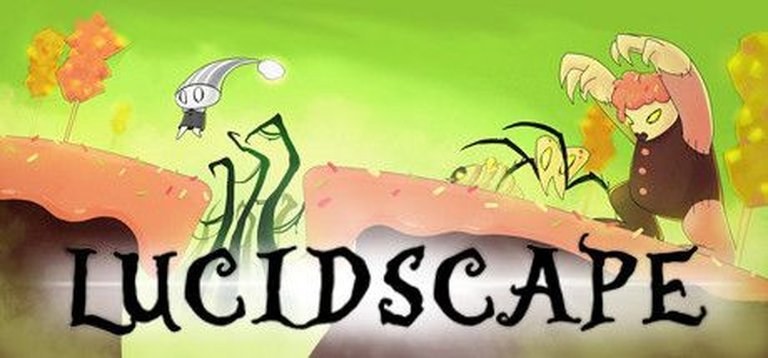
Lucidscape is a 2D puzzle platformer set within the dreams of a sleeping child, featuring exploration and combat elements. Players control a gender-neutral, faceless dream avatar navigating nightmare-inspired environments like eerie hospitals and twisted candy worlds. As they progress, they unlock power-ups and abilities such as melee attacks, double jumps, dashes, and ground slams to overcome obstacles and confront psychological horrors born from the child’s fears.
Gameplay Videos
Where to Buy Lucidscape
PC
Lucidscape Mods
Lucidscape: A Fragmented Dreamscape – Dissecting the Nightmare of An Underbaked Gem
Introduction: Between Reverie and Rough Edges
In the overcrowded pantheon of indie platformers, Lucidscape (2021) exists as a paradox: a game teeming with atmospheric ambition yet hamstrung by its own developmental nightmares. Developed by Stellar Seas Studio and published by Feenx Games, this free-to-play 2D puzzle-platformer ambitiously melds childhood wonder with psychological horror, casting players as the dream-world avatar of a slumbering child battling personified fears. While its 64% mixed Steam reviews (48 user ratings) reflect a divisive reception, Lucidscape remains a fascinating case study in indie ambition, thematic coherence, and the pitfalls of scope creep. This review argues that while Lucidscape stumbles mechanically, its evocative art direction and subversive exploration of primal fears cement it as a flawed but worthy curio in the platformer canon.
Development History & Context: From Low-Poly Dream to Side-Scrolling Nightmare
Vision vs. Reality
Led by an executive producer at Play Star Studio (as per internal documentation), Lucidscape began as a low-poly isometric adventure before swiftly pivoting to a 2D puzzle-platformer—a decision born of technical pragmatism. With a team of 23 developers spanning art, sound, and design, the project aimed to evoke the liminal unease of childhood nightmares through modular, fear-themed biomes. Key inspirations included psychological horror and classic platformers, though the team openly acknowledged struggles with scope management, abandoning stretch-goal systems to avoid delays. Built in Unity, the game targeted modest specs (1GB RAM, GT 240 GPU), positioning itself as accessible yet visually distinctive.
A Crowded Landscape
Debuting in January 2021, Lucidscape entered a market saturated with indie platformers (Hollow Knight, Celeste). Its free-to-play model was both a strength (lowering entry barriers) and a weakness (inviting comparisons to premium titles). Notably, its gender-neutral, faceless protagonist aligned with contemporary trends toward inclusivity, while its “fear-centric” environments—Hospital, Candyland, Lucid Zones—tapped into universal anxieties with a twisted, almost Cuphead-esque whimsy.
Narrative & Thematic Deep Dive: The Architecture of Fear
Plot as Psychological Allegory
Players inhabit a dream avatar battling manifestations of a child’s subconscious dread. The narrative eschews explicit exposition, relying instead on environmental storytelling:
– Hospital Levels: White corridors morph into labyrinthine death traps, evoking clinical terror and loss of control.
– Candyland: A neon-bright hellscape of rotting teeth and distorted sweets, critiquing sugar-induced guilt.
– Lucid Environments: Surreal “bridging” zones representing fractured consciousness.
This structure mirrors Freudian dream theory, where repressed fears manifest symbolically. The absence of dialogue (outside minimal UI text) amplifies isolation, positioning the player as an intruder navigating another’s trauma.
Subverting Innocence
Lucidscape weaponizes childhood iconography. “Cute” aesthetics—cartoonish proportions, colorful palettes—clash violently with grotesque enemy designs: lumpy dental monsters in Candyland, syringe-wielding specters in Hospital zones. This dissonance creates a “David Lynch meets Rayman” atmosphere, where playful mechanics mask existential dread—a bold, if uneven, thematic gambit.
Gameplay Mechanics & Systems: Fluid Movement, Muddled Combat
Core Loop & Abilities
The game centers on backtracking exploration and ability-gated progression, recalling Metroidvania staples. Players unlock five core skills:
1. Double Jump: Tight but unremarkable verticality.
2. Dash: A momentum-building highlight, enabling sequence breaks.
3. Ground Slam: Environmentally interactive (shattering floors, triggering switches).
4. Melee Attack: A short-range swipe feeling underpowered against spongey foes.
5. Augment: A resource-driven power boost to other abilities.
While movement is satisfyingly fluid, combat suffers from hit-detection issues and minimal enemy variety. The “augment” system feels half-baked, lacking strategic depth.
Puzzle Design & Progression
Puzzles leverage ability synergies (e.g., dash-jumping over gaps, slamming to activate weighted plates). However, level design inconsistency undermines the experience:
– Highs: Candyland’s tooth-rot platforming, using sticky sweets as traversal hazards.
– Lows: Hospital’s repetitive switch puzzles and unclear signposting.
Backtracking for health/ability upgrades injects replayability but clashes with the linear narrative pace.
World-Building, Art & Sound: Where Lucidscape Shines
Visual Dichotomy
The art team’s “stylized but eerie” direction stands out. Candyland’s pulsing pinks and greens evoke both delight and decay, while Hospital zones use sterile blues and flickering lights to instill clinical dread. The protagonist—a faceless, androgynous child in oversized pajamas—embodies vulnerability, its simplicity amplifying emotional resonance.
Sound as Psychological Warfare
Audio design weaponizes diegetic discomfort:
– Candyland: Saccharine melodies warp into discordant chimes.
– Hospital: Dripping fluids, distant respirators.
– Enemies: Guttural squelches (dental monsters), metallic scrapes (syringe drones).
This soundscape elevates tension, though sparse voice acting and repetitive tracks lessen impact over time.
Reception & Legacy: A Cult in the Making?
Launch & Critical Divide
Lucidscape garnered mixed Steam reviews (64% positive). Praise centered on its atmosphere, art style, and free price point. Critiques targeted combat jank, short runtime (2–4 hours), and buggy triggers. Notably, it failed to attract mainstream press—a fate common to free indies.
Enduring Influence
While not a commercial landmark, Lucidscape’s nightmare-as-gameplay framework echoes in later titles like Little Nightmares II and Psychonauts 2. Its Ludum Dare-esque experimentation—particularly Candyland’s tooth-rot metaphor—proves its conceptual strength. Today, it lingers as a cult favorite among horror-platformer aficionados, with Steam forums still dissecting its symbolism.
Conclusion: A Fever Dream Worth Experiencing—With Caveats
Lucidscape is neither polished nor revolutionary, but its audacious fusion of childlike whimsy and psychological horror lingers long after the credits. While clunky combat and uneven pacing frustrate, the game’s artistic vision and thematic bravery outweigh its technical stumbles. For indie historians, it exemplifies both the perils of scope creep and the power of cohesive aesthetics; for players, it offers a brief, unsettling dive into the subconscious. In the pantheon of platformers, Lucidscape may not be a pillar—but as a free, experimental curio, it deserves a place in the conversation.
Final Verdict: A 7/10 – flawed but fascinating, best appreciated as a mood piece rather than a mechanical masterpiece.