
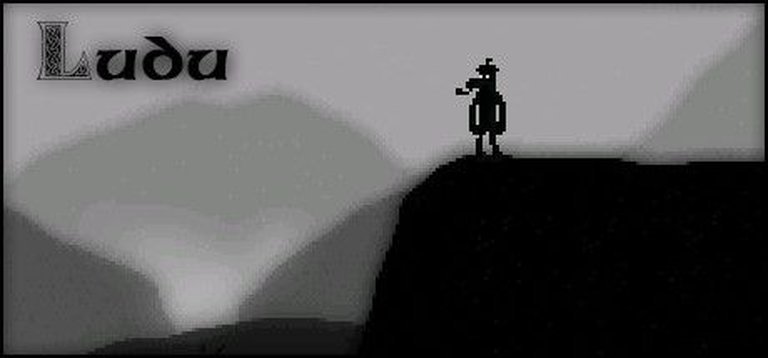
Description
Ludu is a modern adaptation of the ancient Indian game Pachisi, also known as the ‘Game of Kings,’ which dates back to the 6th century. Originally a strategic board game played with cowrie shells and symbolic pieces, Pachisi evolved into Ludo through colonial adaptations, notably by Alfred Collier in 1896. The game retains its core mechanics of moving pieces around a board based on dice rolls, blending chance and strategy. Set in a fantasy world, Ludu offers a side-view, 2D scrolling experience with direct control, appealing to players who enjoy action-puzzle gameplay rooted in historical and cultural significance.
Where to Buy Ludu
PC
Ludu Guides & Walkthroughs
Ludu Reviews & Reception
steambase.io (75/100): Ludu has earned a Steambase Player Score of 75 / 100.
store.steampowered.com (75/100): Mostly Positive (75% of 81 user reviews for this game are positive).
Ludu Cheats & Codes
PC, Android, iPhone/iPad
Redeem codes in the ‘PROMO CODE’ section of the game menu.
| Code | Effect |
|---|---|
| KXFAWC8JCN5W | Five epic cards and 1,000 gold |
| PVW3HG0WR7B6 | 50 emeralds and 1,000 gold |
| 37UV1R26E217 | One day of Ludus Royal subscription and 1,000 gold |
| LUDUS49B3R | 1,500 gold |
| F8HTQLUDUS | 50 emeralds |
| 7ALUDUSGK2 | One day of Ludus Royal subscription and 1,000 gold |
Ludu: A Digital Homage to a Timeless Classic
Introduction
In the vast landscape of video games, few titles manage to bridge the gap between ancient tradition and modern innovation as elegantly as Ludu. Released in 2016 by Léo-Games, Ludu is a free adventure game that reimagines the classic board game Ludo through the lens of a surreal, introspective narrative. While the physical game of Ludo has roots stretching back to 6th-century India, Ludu transforms this familiar concept into a digital experience that is both nostalgic and fresh. This review explores Ludu’s development, narrative depth, gameplay mechanics, and its place in the broader context of video game history.
Development History & Context
The Studio and Vision
Ludu was developed by Léo-Games, a small indie studio that leveraged RPG Maker 2003 to craft a game that is as much an artistic expression as it is a playable experience. The studio’s vision was to create a game that transcends the traditional boundaries of Ludo, infusing it with a narrative-driven adventure that explores themes of identity, self-discovery, and the duality of existence. The game’s title, Ludu, is derived from the Breton word for “ash,” symbolizing renewal and transformation—a fitting metaphor for the game’s journey from a physical board game to a digital adventure.
Technological Constraints and Innovations
Developed using RPG Maker 2003, Ludu is a testament to the creativity that can emerge from limited tools. The engine, known for its simplicity and accessibility, allowed Léo-Games to focus on storytelling and puzzle design rather than complex graphics or mechanics. The game’s 2D side-scrolling perspective and direct control interface are reminiscent of classic adventure games, evoking a sense of nostalgia while maintaining a modern sensibility.
The gaming landscape in 2016 was dominated by high-budget AAA titles and the rise of battle royale games like PUBG. In this context, Ludu stood out as a quiet, introspective experience that offered a stark contrast to the fast-paced, competitive games of the era. Its release on Steam as a free-to-play title further democratized access, allowing players to engage with its unique blend of puzzle-solving and narrative without financial barriers.
Narrative & Thematic Deep Dive
Plot and Characters
Ludu follows the journey of a protagonist who lives a peaceful life in a small house. One day, upon leaving home, the protagonist encounters a shadowy version of themselves—a doppelgänger that becomes the central mystery of the game. The narrative unfolds as the player follows this shadow, solving riddles and unraveling the secrets behind its existence. The game’s story is minimalist yet profound, relying on environmental storytelling and subtle cues to convey its themes.
The protagonist is intentionally ambiguous, serving as a blank slate for players to project their own experiences onto. The shadow, on the other hand, represents the unknown aspects of the self—the subconscious, the repressed, or the unacknowledged. This duality is a recurring motif in Ludu, reflecting the game’s exploration of identity and self-awareness.
Themes and Symbolism
At its core, Ludu is a meditation on the human condition. The game’s central theme is the search for meaning and the confrontation with one’s own shadow—a concept borrowed from Jungian psychology. The shadow in Ludu is not merely an antagonist but a reflection of the protagonist’s inner turmoil, representing the parts of oneself that are often ignored or suppressed.
The game’s setting, a surreal and dreamlike world, further emphasizes these themes. The environments are filled with symbolic imagery, from winding paths that represent life’s journey to locked doors that signify unresolved conflicts. The puzzles themselves are designed to challenge the player’s perception, often requiring a shift in perspective to solve—a metaphor for the introspective journey the protagonist undertakes.
Dialogue and Writing
Ludu’s writing is sparse but impactful. The game relies on environmental storytelling and visual metaphors rather than lengthy dialogue, creating an atmosphere of mystery and introspection. The few lines of text that appear are poetic and open to interpretation, inviting players to engage with the narrative on a personal level. This approach aligns with the game’s themes of self-discovery, as players are encouraged to draw their own conclusions about the protagonist’s journey.
Gameplay Mechanics & Systems
Core Gameplay Loop
Ludu is structured around a series of puzzles that the player must solve to progress. The gameplay is divided into distinct sections, each representing a different facet of the protagonist’s journey. The core loop involves exploring the environment, interacting with objects, and solving riddles to unlock new areas. The puzzles are designed to be challenging but fair, often requiring players to think outside the box or reconsider their assumptions.
The game’s pacing is deliberate, with each puzzle serving as a stepping stone toward a deeper understanding of the narrative. This slow, methodical progression reinforces the game’s themes of introspection and self-discovery, as players are given the time and space to reflect on their actions and the story’s implications.
Combat and Character Progression
Unlike traditional adventure games, Ludu does not feature combat or character progression in the conventional sense. Instead, the “progression” is tied to the player’s understanding of the narrative and their ability to solve the game’s puzzles. The absence of combat or statistical growth shifts the focus entirely onto the story and the player’s interaction with the environment, making Ludu a purely narrative-driven experience.
UI and Controls
The user interface in Ludu is minimalist, with a focus on immersing the player in the game’s world. The controls are straightforward, utilizing direct control for movement and interaction. The lack of clutter in the UI ensures that players remain engaged with the environment and the puzzles, rather than being distracted by unnecessary elements.
One of the game’s most innovative features is its use of perspective shifts. Certain puzzles require the player to view the world from a different angle, literally and metaphorically. This mechanic not only adds depth to the gameplay but also reinforces the game’s themes of self-reflection and altered perception.
Innovative and Flawed Systems
While Ludu’s puzzle design is one of its strongest aspects, the game is not without its flaws. The reliance on RPG Maker 2003, while a testament to the developers’ creativity, also imposes limitations on the game’s visual and technical capabilities. The graphics, while charming in their simplicity, may feel dated to players accustomed to more modern aesthetics. Additionally, the game’s linear structure and lack of replayability could be seen as drawbacks for those seeking a more dynamic experience.
However, these limitations are also part of Ludu’s charm. The game’s simplicity allows its narrative and themes to take center stage, creating an experience that is more about introspection than spectacle. The puzzles, while occasionally frustrating, are ultimately rewarding, offering a sense of accomplishment that aligns with the protagonist’s journey.
World-Building, Art & Sound
Setting and Atmosphere
Ludu’s world is a surreal dreamscape, blending elements of reality and fantasy. The environments are designed to evoke a sense of mystery and wonder, with each area reflecting a different aspect of the protagonist’s psyche. The game’s use of light and shadow is particularly effective, creating a visual metaphor for the duality at the heart of the narrative.
The atmosphere is further enhanced by the game’s sound design. The lack of a traditional soundtrack is replaced by ambient noises and subtle audio cues that immerse the player in the world. The silence is often as powerful as the sound, creating moments of tension and introspection that complement the game’s themes.
Visual Direction
The visual style of Ludu is intentionally minimalist, with a focus on symbolic imagery and environmental storytelling. The 2D side-scrolling perspective allows for detailed backgrounds and intricate level design, despite the limitations of the RPG Maker engine. The color palette is muted, with occasional bursts of color used to highlight important elements or shifts in the narrative.
The game’s art direction is reminiscent of classic adventure games, evoking a sense of nostalgia while maintaining a unique identity. The use of light and shadow is particularly striking, with the protagonist’s shadow serving as both a visual and thematic anchor throughout the game.
Sound Design
The sound design in Ludu is understated but effective. The game eschews a traditional soundtrack in favor of ambient sounds and environmental noise, creating an immersive atmosphere that draws players into the world. The absence of music allows the player to focus on the narrative and the puzzles, while subtle audio cues provide guidance and feedback.
The sound of the protagonist’s footsteps, the rustling of leaves, and the distant echoes of unseen forces all contribute to the game’s eerie and introspective tone. The sound design is a crucial element of Ludu’s atmosphere, enhancing the player’s sense of isolation and introspection.
Reception & Legacy
Critical and Commercial Reception
Ludu was released to a modest but positive reception. On Steam, the game holds a “Mostly Positive” rating based on 81 user reviews, with a Steambase Player Score of 75/100. Critics and players alike praised the game’s narrative depth, puzzle design, and atmospheric presentation, though some noted its technical limitations and linear structure.
Commercially, Ludu’s free-to-play model ensured that it reached a wide audience, though its niche appeal meant that it did not achieve mainstream success. The game’s legacy lies in its ability to reimagine a classic board game as a digital adventure, offering a unique blend of nostalgia and innovation.
Influence on Subsequent Games
While Ludu may not have directly influenced the broader gaming industry, its approach to narrative-driven puzzle design has resonated with indie developers. The game’s focus on introspection and symbolic storytelling has inspired other titles to explore similar themes, particularly in the adventure and puzzle genres.
Ludu’s use of perspective shifts and environmental storytelling has also been noted as an innovative approach to puzzle design, influencing games that seek to challenge players’ perceptions and encourage deeper engagement with the narrative.
Conclusion
Ludu is a remarkable example of how a classic concept can be reimagined for a modern audience. By transforming the traditional board game Ludo into a narrative-driven adventure, Léo-Games has created a game that is both nostalgic and fresh, introspective and engaging. While its technical limitations and linear structure may not appeal to all players, Ludu’s strengths lie in its storytelling, puzzle design, and atmospheric presentation.
In the pantheon of video game history, Ludu stands as a testament to the power of indie development and the enduring appeal of classic games. It is a game that invites players to reflect on their own journeys, both in the digital world and beyond. For those willing to engage with its mysteries, Ludu offers a deeply personal and rewarding experience—one that lingers long after the final puzzle is solved.
Final Verdict: Ludu is a hidden gem that deserves recognition for its innovative approach to narrative and puzzle design. While it may not be a mainstream hit, its introspective journey and symbolic storytelling make it a standout title in the adventure genre. For fans of classic adventure games and those seeking a thought-provoking experience, Ludu is well worth the time. 8/10